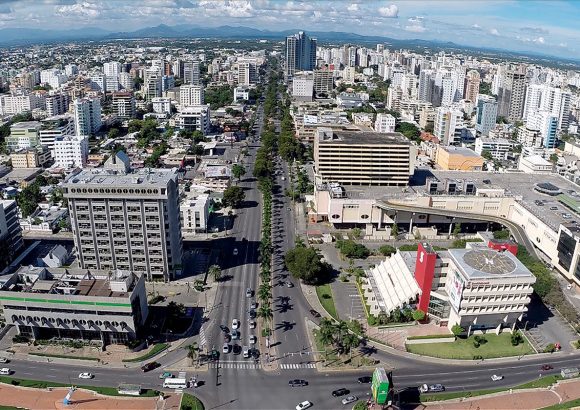
Santo Domingo, Dominican Republic – As part of its forward-looking RD Meta 2036 national development agenda, the Dominican government is rolling out a suite of five targeted digital financial programs designed to unlock new economic opportunities for the millions of Dominican citizens residing overseas, spanning cross-border home purchases, streamlined credit access, low-barrier investment pathways, and tax-advantaged retirement savings vehicles.
The national Financial Committee, which spearheaded the design of the comprehensive policy package, explained that the core objective of the new framework is to deepen and formalize long-standing economic connections between the diaspora and their home country, by dismantling longstanding administrative and logistical barriers that have historically prevented non-resident Dominicans from accessing formal domestic financial services. The scope of the reforms includes expanded eligibility for no-fee cross-border bank accounts, simplified regulated investment products tailored for non-resident users, alternative credit scoring systems that validate overseas income streams, fully digital end-to-end mortgage processing, nationwide financial literacy campaigns targeted at both domestic and diaspora communities, and a voluntary supplementary pension savings scheme for non-resident contributors.
A flagship pilot program at the heart of the initiative will enable Dominican expats to complete the entire process of purchasing and financing residential property remotely, with no requirement to travel back to the Dominican Republic, as long as all transactions comply with existing national property and tax legal frameworks. The cross-agency pilot brings together key stakeholders including the Association of Housing Builders and Developers (Acoprovi), leading private real estate development firms, major local commercial banks, the General Directorate of Internal Taxes (DGII), and the national Real Estate Jurisdiction to eliminate bottlenecks in property verification, fund transfer, and title registration for overseas buyers.
Policy designers note that the dual-focused strategy will not only expand affordable housing access for low- and middle-income Dominican families residing within the country by pairing new housing supply with accessible financing, but also channel the estimated billions in annual diaspora remittances into productive domestic sectors including real estate construction, small business investment, and large-scale infrastructure projects to drive broad-based economic expansion. The Financial Committee confirmed that the full suite of digital financial measures is a core pillar of the national government’s overarching target of doubling the size of the Dominican Republic’s gross domestic product by the 2036 deadline.
Dominican Republic plans digital mortgages to help diaspora buy homes