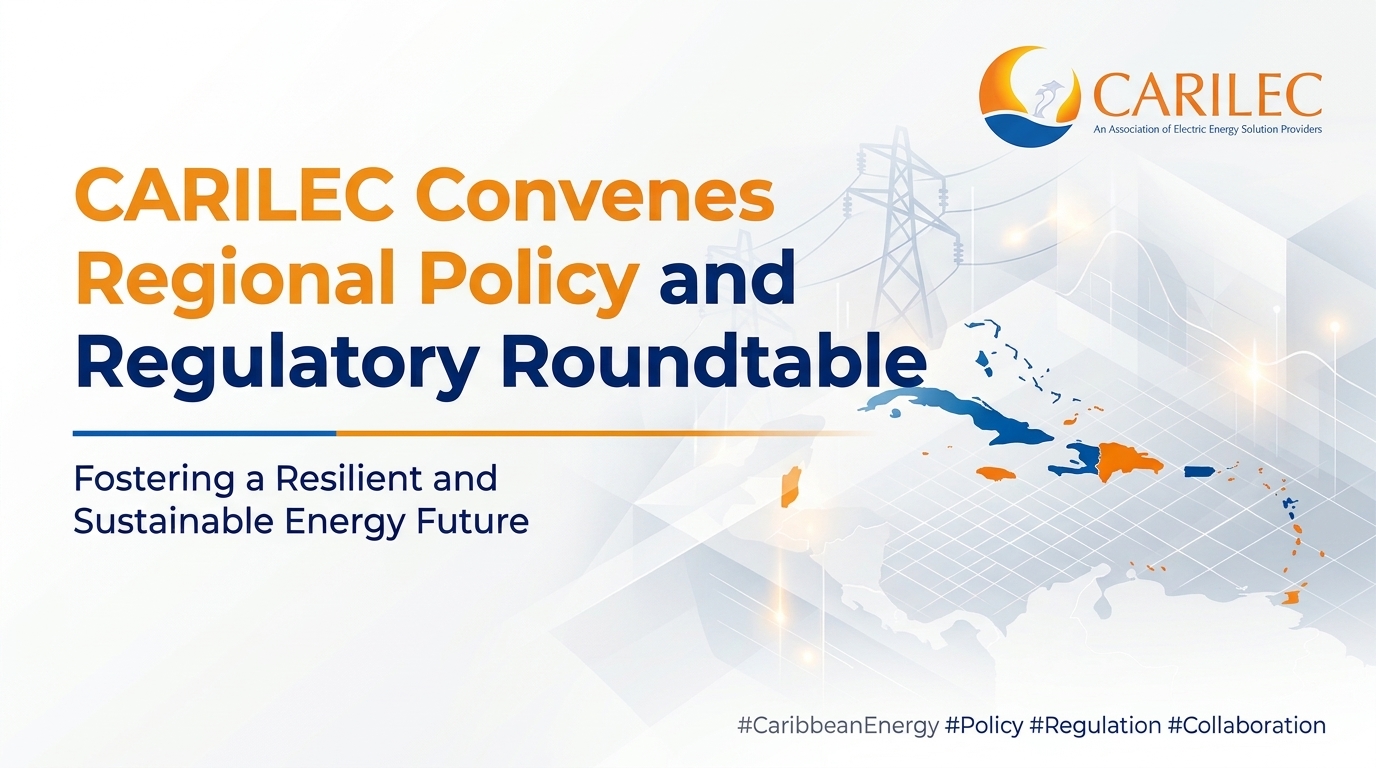
At a high-level industry gathering held in Nassau, The Bahamas, on October 18, 2026, the Caribbean Electricity Utilities Corporation (CARILEC) sounded a critical alarm that glacial progress in drafting and rolling out updated regulatory regimes has emerged as the single biggest bottleneck stopping the Caribbean from hitting its national clean energy and resilience targets. The organization’s annual 2026 Policy and Regulatory Roundtable, hosted concurrently with the biennial Resilient/Renewable Energy Community (CAREC) Conference & Exhibition at the British Colonial Hotel, brought together over 150 senior representatives from regional energy utilities, national policymakers, independent energy regulators, and global development partners under the core theme “From Policy Alignment to Regional Action: Enabling a Resilient, Affordable and Financially Viable Caribbean Energy Transition.”
Delivering opening remarks, CARILEC Executive Director Dr. Cletus Bertin emphasized that long-running delays in updating legacy energy legislation are no longer a minor administrative hiccup, but a structural barrier that is being exacerbated by volatile global fossil fuel prices that have pushed household and commercial energy costs across the Caribbean to multi-year highs. He noted that piecemeal, uncoordinated reform efforts have failed to clear the legislative logjam, and called for clearly delineated roles for all stakeholders spanning national governments, regulatory bodies, utility operators, independent power producers (IPPs) and civil society to move reform forward.
Roundtable delegates spent the full day unpacking interconnected challenges that have stymied regional energy transition progress: negotiating fair frameworks that balance the competing needs of residential consumers seeking affordable power, utilities navigating costly grid modernization upgrades, and IPPs investing in large-scale solar, wind and battery storage projects, all while preserving grid reliability in a region disproportionately exposed to destructive Atlantic hurricanes. CARILEC confirmed that post-event, it will circulate a full compendium of evidence-based findings and actionable, context-specific recommendations to every national government and energy sector stakeholder across the Caribbean, and will launch targeted technical assistance partnerships with international development bodies to support the drafting and passage of agile, future-proof regulatory frameworks for modern, decarbonized regional grids. Founded in 1989 as a small USAID-backed energy modernization initiative with just 9 initial member organizations, CARILEC has expanded to represent more than 120 energy solution providers and industry stakeholders across the entire Caribbean basin, with a stated long-term mission to deliver a just, inclusive energy transition that delivers tangible, equitable benefits for all regional residents rather than just commercial actors.
Regulatory lags hinder Caribbean energy goals, CARILEC summit finds