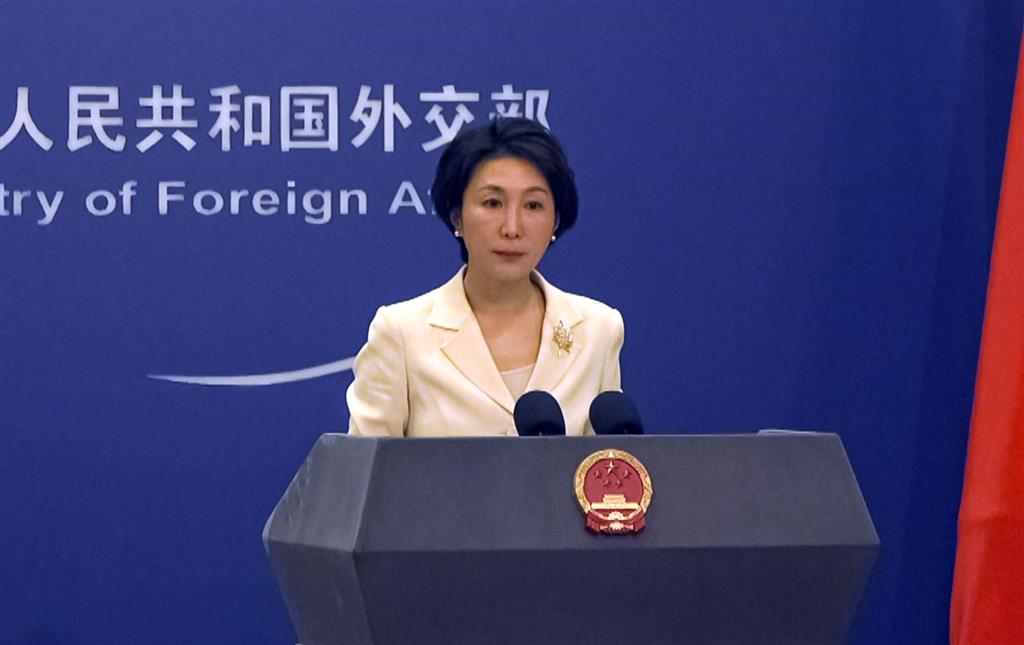
At a regular press briefing hosted by the Chinese Foreign Ministry on Wednesday, spokesperson Mao Ning formally announced a coordinated series of high-level diplomatic visits led by three of Beijing’s senior special envoys, focused on de-escalating regional tensions and advancing inclusive peace processes across the Middle East and the Horn of Africa in the first half of November. The first envoy, Zhai Jun, who holds the dedicated portfolio of Chinese government Special Envoy on Middle East Issues, will embark on a multi-stop tour covering Iran, Oman, and Saudi Arabia over the coming two weeks. Parallel to Zhai Jun’s Middle East itinerary, Special Representative on African Affairs Liu Xianfa will lead a separate diplomatic mission to Ethiopia, Djibouti, and Egypt, engaging with host government stakeholders, civil society representatives and regional multilateral bodies during his travels. A third concurrent diplomatic mission will be led by Hu Changchun, the Chinese Foreign Ministry’s Special Envoy for Horn of Africa Affairs, who will travel to Eritrea in the opening days of November to carry out targeted, in-depth consultations with local authorities. Mao Ning emphasized during the briefing that all three envoy missions are mandated to fully implement the peace and security initiatives put forward by President Xi Jinping for the Middle East, as well as the landmark four principles Beijing previously unveiled to address urgent, longstanding challenges across the African continent. The core objective of all the overlapping, coordinated visits, the spokesperson confirmed, is to create structured, inclusive spaces for constructive dialogue between conflicting parties, advance grassroots reconciliation efforts, reduce the risk of spiraling regional tensions, and uphold long-term peace, stability and shared prosperity for communities across the two strategically significant regions. Beijing’s decision to deploy three specialized envoys simultaneously signals its proactive, non-partisan diplomatic commitment to mediating disputes without external interference, in line with its longstanding foreign policy principle of respecting the sovereignty and independent development paths of all partner nations.