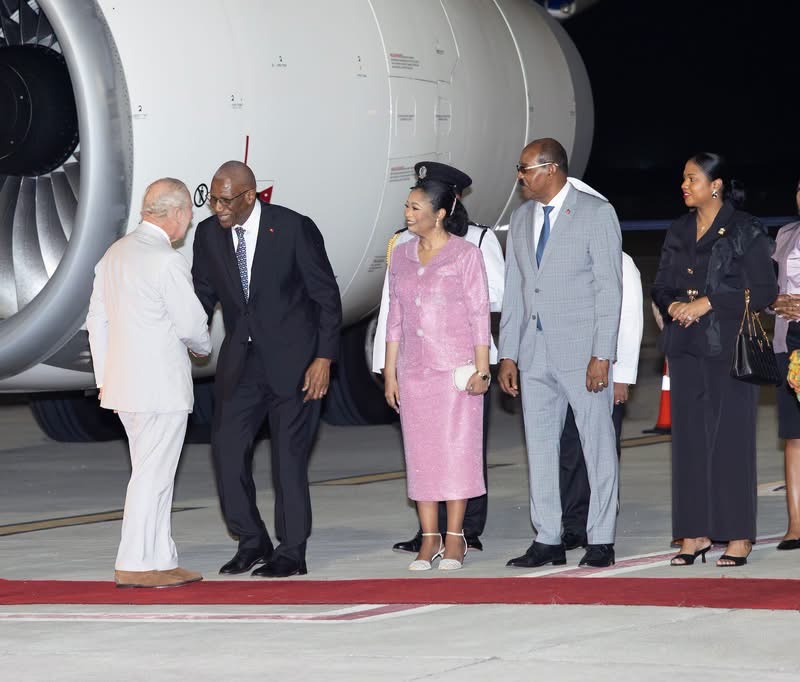
Delivering a landmark national address to mark Antigua and Barbuda’s 45th independence anniversary on November 1, Prime Minister Gaston Browne laid out a measured, diplomacy-first framework for the country’s longstanding campaign for reparatory justice for chattel slavery, explicitly rejecting bitter, confrontational rhetoric that could erode constructive ties with the United Kingdom and other global partners. Speaking ahead of the Commonwealth Heads of Government Meeting (CHOGM) hosted by the twin-island nation, where King Charles III and Queen Camilla were in attendance for the independence commemorations, Browne emphasized that demanding accountability for centuries of colonial exploitation does not require severing collaborative bilateral relationships. Browne cited the enduring legacy of Antigua and Barbuda’s founding prime minister Sir Vere Cornwall Bird, who openly acknowledged the systemic injustices of British colonial rule while also recognizing the tangible developmental contributions that paved the way for the nation’s peaceful 1981 independence, when Princess Margaret represented Queen Elizabeth II at the official handover ceremony. The prime minister stressed that the deep, intergenerational structural inequalities and economic disadvantages forged by hundreds of years of enslavement have not faded with the passage of time, and that the national push for reparations is a legitimate, non-negotiable priority that demands sustained, respectful international dialogue rather than hostile posturing. He confirmed that his administration is already advancing reparations discussions through two parallel tracks: direct bilateral negotiations with the UK government, and collective deliberations within Commonwealth governing bodies, including at the imminent CHOGM summit. Notably, Browne also affirmed that any future changes to Antigua and Barbuda’s constitutional relationship with the British monarchy will be decided exclusively by the nation’s citizenry, via formal, established constitutional processes, rather than through arbitrary executive action. Throughout the address, the prime minister made clear that the dual goals of confronting historical harms and nurturing mutually respectful diplomatic partnerships are not mutually exclusive, and that his government will pursue reparatory justice with maturity, dignity, and good faith rather than resentment. No new formal financial reparations commitments, finalized agreements, or binding negotiation timetables were announced during the public speech.
PM Gaston Browne calls for reparations without bitterness toward Britain