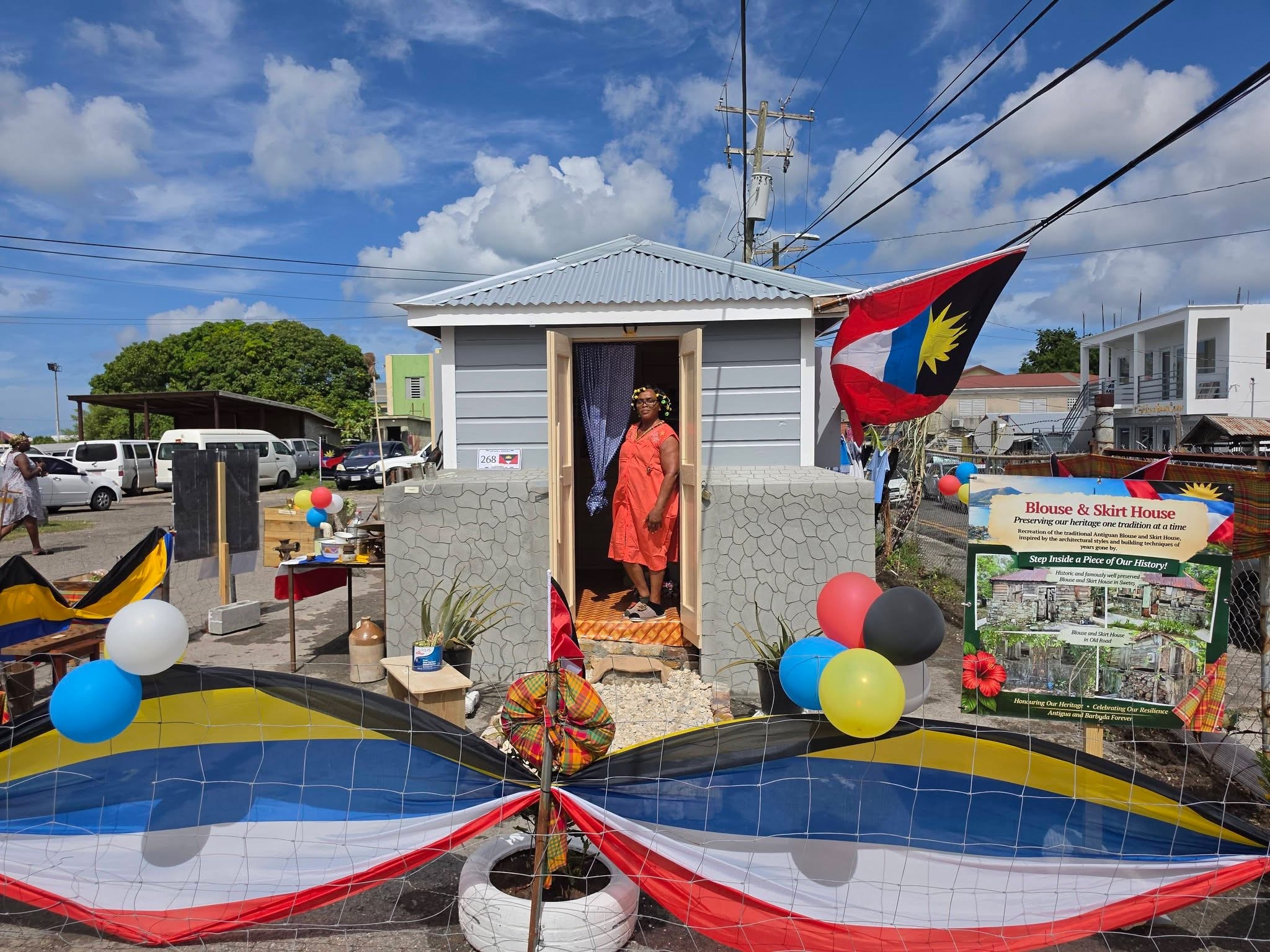
As part of Antigua and Barbuda’s 2026 National Independence festivities, the Central Board of Health (CBH) has earned widespread acclaim for its immersive, living recreation of 20th-century island domestic life, submitted as an entry to the National Events Department-run National Independence Business Decor Competition. Rather than assembling a superficial static exhibit, CBH teams reimagined their entire workspace as a fully functional traditional Antiguan residential yard, anchored by a meticulously constructed replica of the iconic historic blouse-and-skirt home architecture that defined local working-class communities for decades. The sprawling exhibit grounds overflow with authentic period features: vibrant native flower beds, productive backyard vegetable plots, hand-stacked stone mounds, purpose-built outdoor cooking zones fitted with vintage coal pots, open fire stations for brewing aromatic local bush tea, and traditional roasting stations where peanuts and root potatoes are prepared exactly as they were by generations of island residents long before modern kitchen appliances became standard. Additional curated displays spotlight long-forgotten everyday household routines that were once universal across Antigua and Barbuda, including washing dinnerware at a weathered outdoor wooden dresser, curing pork via the historic corning method, and the use of open-air showers and pit latrines that predated widespread indoor plumbing. A restored donkey box, packed full of locally grown seasonal farm produce, stands as a tangible tribute to the nation’s agrarian roots and the extraordinary frugality and resourcefulness of earlier generations who thrived with limited access to imported goods. The experience also includes a dedicated interactive zone showcasing beloved traditional childhood pastimes that have faded from common use, such as the strategic board game warri, glass marble tournaments, wheel-hoop rolling games known locally as wheelers, and the iconic makeshift telephones constructed from empty tin cans and twisted cotton string. What sets the CBH entry far apart from competing displays is its robust schedule of live, unscripted demonstrations led entirely by CBH staff members, who volunteered hundreds of hours of personal time to master and perform these long-dormant skills for visitors. Staff can be seen balancing full buckets of water on their heads while traversing the yard, scrubbing dishes at the outdoor dresser, peddling homemade snacks and small goods from woven wicker trays balanced on their arms, and organizing impromptu matches of traditional games for visiting children. One of the most popular demonstration stations showcases the nearly forgotten traditional hair-straightening technique, which uses a flat metal iron heated directly over glowing coal embers, a common household practice before electric hair styling tools became affordable for most families. CBH leadership noted that the entire project was designed to give event attendees a visceral, first-person window into the daily rhythms, social norms, and collective cultural values that shaped Antiguan family life for generations before electricity, running water, and modern consumer conveniences transformed domestic routines. The organization emphasized that the core goal of the initiative was not simply to win the decor competition, but to celebrate and reinforce the nation’s distinct cultural identity while actively safeguarding fragile intergenerational memories that are at risk of being lost as older generations pass away. CBH officials specifically praised their entire staff cohort for contributing their personal creativity, hands-on craftsmanship, and unpaid extra time to build the exhibit, framing the collective effort as a powerful demonstration of cross-departmental teamwork and a shared institutional commitment to grassroots cultural preservation. Integrated directly into the official 2026 Independence events calendar, the CBH’s living heritage project underscores the critical priority of transmitting under-documented traditional knowledge and beloved local customs to the country’s youth, so that these foundational elements of Antiguan and Barbudan identity remain vibrant for decades to come. “We did not just construct a decorative replica of an old house for a contest,” a CBH spokesperson stated. “We brought an entire, forgotten way of community-focused island living back to life for everyone in our nation to experience, cherish, and carry forward.”
Central Board of Health recreates traditional Antiguan village life for Independence competition