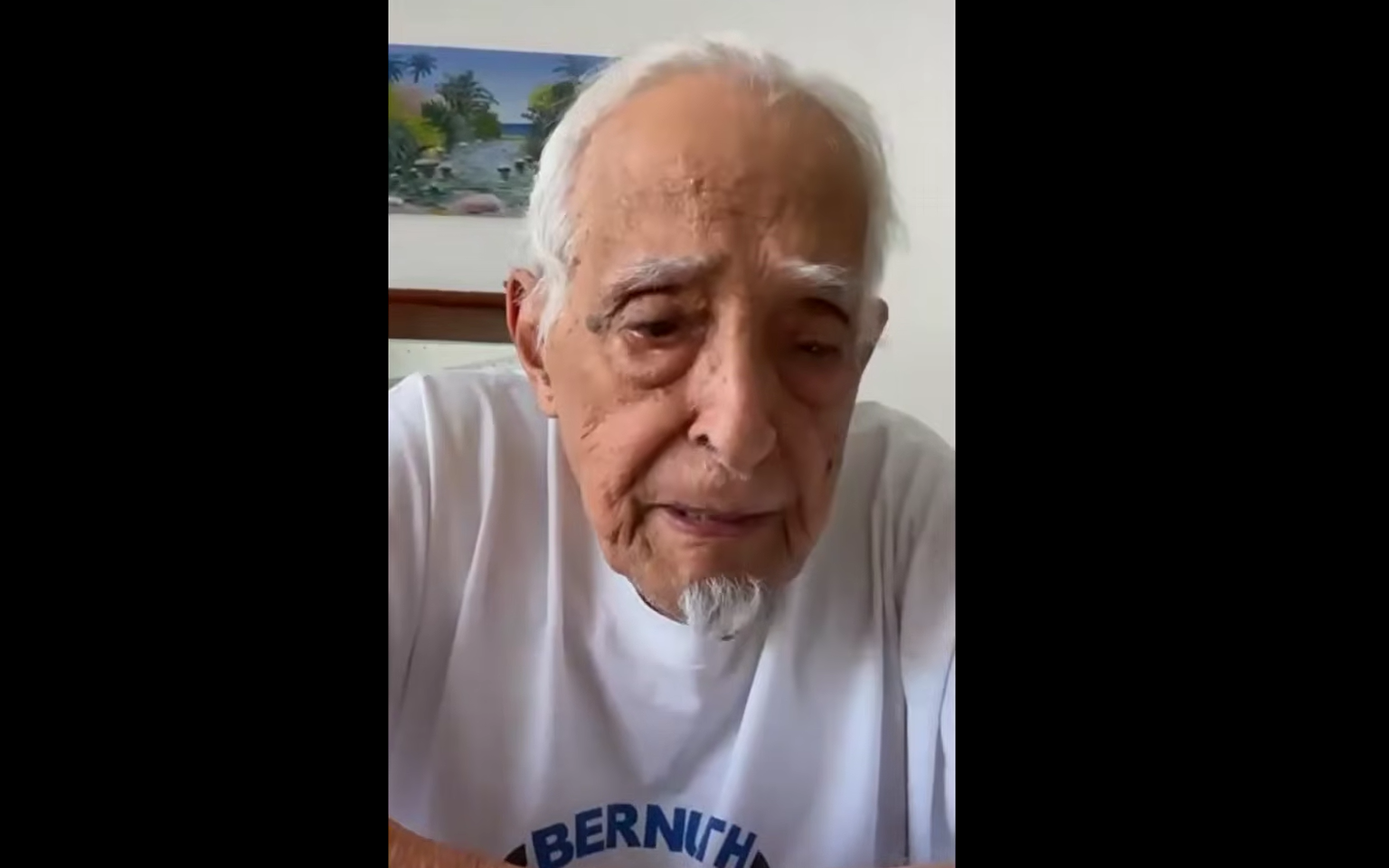
Dr. William “Billy” Green ranks among the last surviving members of a trailblazing cohort of Dominican-born physicians who reshaped their island’s healthcare landscape in the mid-20th century, marking a pivotal turning point in the nation’s modern history. At a time when colonial Dominica relied almost entirely on imported expatriate medical professionals, these trailblazers returned from top international universities to place the health and wellbeing of Dominican communities firmly in local hands.
This esteemed group of early local medical leaders included household names across the island: Drs. Winston, Griffin, McIntyre, Dorian Shillingford, Paul, Etienne, Watty, Pemberton, Grell, Royer, and Sorhaindo, whose collective work laid the entire foundational framework for modern Dominican medicine. They practiced in an era defined by scarce resources, almost no specialized medical services, poorly maintained roads, and limited communications, requiring them to serve simultaneously as diagnosticians, surgeons, obstetricians, public health officers, hospital administrators, and trusted community counselors.
Born in Roseau in 1929, Dr. Green’s lifetime spans nearly the full scope of Dominica’s modern transformation: from British colonial rule, through the Second World War, the rise of local professional leadership, full political independence, and the gradual expansion of robust public health and modern medical services. His personal recollections are far more than individual memoir; they constitute a first-hand, living archival record of the island’s national evolution.
Growing up in a 1930s Roseau unrecognizable to younger generations, Green was the only surviving child of Sydney Leopold Vaughan Green, a local pharmacist, and Clara Winston Green, a homemaker, with a late half-sister named Dorothy. The town had no electric streetlights in his childhood, with a dedicated lamplighter traversing streets each evening to light oil-fueled fixtures, while all local electricity was generated by a dynamo at Elmshall, on the grounds of what is now the University of the West Indies Open Campus. That power station, perched on a cliff above a stretch of the Roseau River, gave the adjacent river basin the enduring local nickname “Under Power,” and was operated by Eddie Trotter, uncle of prominent civil engineer Garner Trotter and iconic Black Power advocate Desmond “Ras Kabinda” Trotter.
Green completed his early education at Emory School, Miss Maggie Nichols’ institution at Kingsland House, and Convent preparatory school before enrolling at Dominica Grammar School in 1940. His warm childhood memories include leisurely Sunday walks through the Botanic Gardens, screenings at the Olympic Cinema, local Catholic religious observances, beloved neighborhood shops including the Phoenix and Dominica Dispensary, vibrant Carnival celebrations, and a tight-knit social fabric where nearly every resident knew their neighbors by name. Yet the shadow of the Second World War hung heavily over those years: for Dominicans of Green’s generation, the conflict was no distant European drama. German U-boat campaigns disrupted Atlantic and Caribbean shipping routes, leading to widespread shortages of imported goods, while waves of French refugees fleeing unrest on neighboring islands arrived seeking shelter on Dominica. Young boys would gather to listen to adults debate unfolding battles, casualty counts, and the uncertain fate of the British Empire, of which Dominica was then a small, far-flung territory.
At Dominica Grammar School, the war effort also took on a tangible military dimension. The institution’s storied cadet program, established in 1910 when the school had barely 50 enrolled students, was a core component of student discipline and campus culture, rooted in British educational ideals of drill precision, hierarchical order, personal duty, and loyalty to the Crown. Green recalled the experience vividly: younger students often trained with wooden dummy rifles or wooden staves rather than service weapons. During one fateful parade, a teenage Green dropped his wooden rifle, only to be spotted by the school’s British headmaster, who ordered him caned as punishment. The anecdote reads as gently humorous across 80 years of hindsight, but it also lays bare the core nature of colonial-era education on the island: the Grammar School did not only teach Latin, mathematics, history, and English composition, it deliberately shaped young boys to fit a British imperial conception of ideal character and disciplined service. The schoolboy punished for a trivial slip during drill could never have imagined he would one day rise to become one of his nation’s most senior leading physicians, and help steer Dominica’s entire public medical service.
In 1942, Green’s father transferred him to Antigua Grammar School to continue his education, before he pursued further pre-medical studies and enrolled at Montreal’s Loyola College in 1948. The Canadian city represented a radical departure from the tropical Roseau he had always known, but he immersed himself in coursework covering classics, chemistry, physics, and all required pre-medical subjects, graduating cum laude with a Bachelor of Arts in 1952. His subsequent years studying across Canada and later Belgium expanded his perspective on administration, community organization, and regional Caribbean identity: like many West Indian students of his era, he connected with Jamaican, Trinidadian, Barbadian, Grenadian, Antiguan, and Guyanese peers overseas, long before he would travel to their home islands, a broad network he would later draw on to help manage operations at the Dominica Dispensary. He went on to enroll at the historic University of Louvain in Belgium, where he overcame the steep challenges of a foreign culture and entirely new linguistic environment by sitting in the front row of every lecture to follow professors as closely as possible, a testament to his relentless persistence and adaptability. He graduated with his medical doctorate in 1958, then returned across the Atlantic to complete internship training at the Jersey City Medical Center in the United States. Like hundreds of other skilled Caribbean professionals of the time, he had every opportunity to build a stable, well-paid career overseas – but he made the deliberate choice to return home to Dominica.
In 1959, Dr. William Green officially joined Dominica’s Government Medical Service, arriving at one of the most critical junctures in the island’s modern development. At that time, the island had no large cohort of specialized physicians or the sophisticated diagnostic technology that local residents now take for granted, so clinicians relied entirely on hands-on clinical examinations, accumulated professional judgment, years of experience, and the unparalleled skill of Dominican nursing staff. The local medical community was small and diverse, with practitioners drawn from Poland, Sri Lanka, Barbados, Trinidad, and other global locations, a direct reflection of lingering colonial staffing patterns – but a profound shift was already underway, as Dominican nationals began to step into leadership roles across the sector. Green was appointed Medical Officer in charge of Princess Margaret Hospital, with oversight of casualty services, the children’s ward, and the general medical ward, in a system that offered no room for narrow specialization: every physician was required to step in and serve wherever the need arose. The hospital rapidly emerged as one of the most central public institutions in Dominican life, and during a royal visit by Queen Elizabeth II, Green escorted the monarch on a tour of the wards – a striking, symbolic moment that linked a homegrown Dominican physician, the island’s flagship public hospital, and the colonial power that had once governed the territory. Yet the true impact of Green’s decades-long career was never measured in royal visits, but in the tens of thousands of ordinary Dominican patients whose lives were improved, extended, or saved by the dedicated service of his generation of clinicians.
Green’s first-hand recollections lay bare the extraordinary transformation of Dominican public health over the past 70 years. In his early years of practice, endemic diseases including yaws, leprosy, and jiggers, alongside a host of other parasitic infections, were widespread public health concerns. Antibiotics and coordinated mass public health campaigns were beginning to reshape local medical outcomes, but that transition was still in its early stages, and clinicians regularly encountered disease patterns that most modern young Dominican physicians will almost never see today. The success of that pioneering generation of medical workers is often visible only in what later generations no longer experience: a fully eradicated disease vanishes from public memory, an infection prevented leaves no physical monument, and a child saved from a once-deadly illness grows to adulthood entirely unaware of the high child mortality rates that afflicted earlier generations before the advent of antibiotics, widespread vaccination, improved sanitation, better nutrition, and expanded maternal and pediatric care. Dr. Green repeatedly emphasized the irreplaceable, indispensable role of Dominican nurses in that progress: in a chronically understaffed system, they regularly completed tasks that in wealthier nations would have been reserved exclusively for physicians, and their deep practical knowledge, strict professional discipline, and intimate ties to the communities they served made them equal core partners in the island’s medical advancement. Doctors of Green’s era worked side by side with generations of dedicated nurses, midwives, dispensers, orderlies, laboratory technicians, public health inspectors, pharmacists, and other frontline staff to build the healthcare system that exists today.
Green’s generation of local medical leaders was part of a far broader regional transformation unfolding across Britain’s former Caribbean colonies, as senior public sector positions once held exclusively by expatriate officials were gradually filled by local Caribbean professionals. Dominicans moved into senior roles as teachers, civil servants, lawyers, engineers, judges, administrators, and doctors – a shift that carried enormous psychological as well as practical weight. When Dominican children saw local Dominican physicians walking the wards of Princess Margaret Hospital, they saw tangible proof that professional excellence did not have to be imported from overseas. Clinicians including Drs. Green, Griffin, McIntyre, Dorian Shillingford, Paul, Etienne, Watty, Pemberton, Winston, Grell, Royer, and Sorhaindo embodied a new era of emerging local professional confidence: educated in part within colonial institutional frameworks, they were unwaveringly committed to serving their own communities, and helped establish a lasting public expectation that Dominicans were fully capable of managing their own national institutions. Their work laid critical social groundwork that made full political independence for Dominica a tangible, achievable goal.
Popular narratives of nation building often center on formal milestones: constitutions, national elections, political parties, new national flags, and official independence ceremonies. But a nation is just as meaningfully built in hospital wards: when newborns survive high-risk childbirth, local epidemics are rapidly contained, remote rural patients access life-saving treatment for the first time, nurses work through the night to care for the sick, and diseases that once crippled entire rural villages disappear entirely. Clinicians like Dr. Green contributed to Dominican nation building just as meaningfully as elected legislators and government ministers. For nearly three decades, Green served in the national government medical service, witnessing the gradual evolution from extremely basic, under-resourced medical facilities to increasingly modern, comprehensive treatment infrastructure. He has lived long enough to see Dominica open a brand new national hospital equipped with technology and facilities that would have seemed unimaginable when he first returned to the island in 1959. His reflections also offer a vital, timeless caution: state-of-the-art new buildings and sophisticated medical equipment do not automatically guarantee high-quality patient care. Medicine remains first and foremost a deeply human calling, where compassion, strict professional discipline, integrity, accessibility, and unwavering devotion to patient wellbeing matter just as much today as they did when a small, overstretched group of doctors and nurses carried nearly the full weight of Dominica’s public health burden.
Beyond his medical career, Dr. Green’s life is a story of enduring family commitment and intergenerational public service. He married Daisy Margot Green, née Kelsick, a native of Montserrat, after the pair met at a West Indian community dance in the Bronx while Green was completing his medical training in the United States, and built a family whose subsequent generations have carried forward the legacy of professional service to their communities. The couple raised three children: Richard, Eloise, and Sharon. Their son Richard studied at the University of the West Indies and Howard University School of Dentistry, before establishing a highly respected local dental practice. The family’s next generation includes three accomplished grandchildren: Ilyanna, a Yale-educated attorney; Simone, a University of the West Indies-trained physician; and Dominic, a pilot and aviation instructor who graduated from Embry–Riddle Aeronautical University.
The full arc of Green’s life – from the young schoolboy drilling with a wooden rifle at Dominica Grammar School to the senior physician walking the wards of Princess Margaret Hospital – captures the very essence of 20th century Dominican national history. Documenting and preserving Dr. Green’s story is an invaluable opportunity, as the entire pioneering generation he belongs to is rapidly passing away. Every society holds not just paper archives in libraries, but irreplaceable living archives: teachers who remember colonial-era classrooms, nurses who worked in wards before widespread antibiotic access, farmers who cultivated crops before agricultural mechanization, civil servants who worked in government before national independence, war veterans, and clinicians who remember diseases that are now nearly eradicated. When these living witnesses pass away before their stories are recorded, it is as if an entire library burns to the ground without a single flame, and irreplaceable collective memories vanish forever. Green’s memoir was published with the dedicated support of his daughter-in-law Lesley Ann Green, née Barrow, a dynamic, well-regarded resident of San Fernando, Trinidad who manages her husband Richard’s dental surgery. Her assistance helped preserve not just the individual recollections of one prominent physician, but the full social, family, and historical context that shaped that era of Dominican life.
Dr. William “Billy” Green’s story is worthy of widespread preservation because his life weaves together nearly every major chapter of modern Dominican history. He remembers colonial-era Roseau lit by oil lamps, the Second World War-era Dominica Grammar School where he was caned for dropping a wooden cadet rifle, the Elmshall dynamo that gave the “Under Power” river basin its name, his years of medical training across Canada and Belgium, his 1959 return to a Dominica where local Dominican doctors were still extremely rare, and his years of service at Princess Margaret Hospital when clinical technology was limited but staff dedication was boundless. He recalls the days when yaws, leprosy, jiggers, and other now-rare illnesses were common across the island, and above all, he remembers the countless colleagues – doctors, nurses, and support staff – who worked together to transform medical care for all Dominican people.
The true legacy of Dr. Green’s generation of medical pioneers is visible in the daily lives of all modern Dominicans: longer average life expectancy, dramatic improvements in maternal and child health, far more effective control of once-endemic infectious diseases, widespread access to trained local medical personnel, and the many subsequent generations of Dominican doctors who have followed in their footsteps. Their legacy should not be romanticized: they worked within institutional frameworks constrained by limited resources and lingering colonial inequalities, and the health system they inherited and helped develop was never perfect. But they chose to serve their communities, they chose to return home after completing their studies overseas, and they chose to take on full responsibility for the health of their fellow citizens. Through their professional competence, extraordinary endurance, and unwavering commitment to their vocation, they helped generations of Dominicans live longer, healthier lives. Today, Dr. William “Billy” Green stands as one of the last remaining living witnesses to that extraordinary transformative era. The schoolboy once punished for dropping a wooden rifle grew to become a beloved healer for his people, and the young Dominican who crossed multiple oceans in pursuit of knowledge returned home to dedicate that expertise to the island that raised him. In his life story, readers encounter far more than the biography of a single physician: they encounter the very story of modern Dominica itself – a small island nation steadily taking ownership of its public institutions, educating its own local professional class, caring for the health of its people, and laying every foundation for full national sovereignty. For that lifetime of service, Dr. William Green, Drs. Grell, Royer, Sorhaindo, and the entire distinguished generation of pioneering Dominican physicians they represented deserve to be remembered by all Dominicans with deep gratitude, honor, and national pride.
Dr. William “Billy” Green: physician, witness, and survivor of a generation that healed Dominica