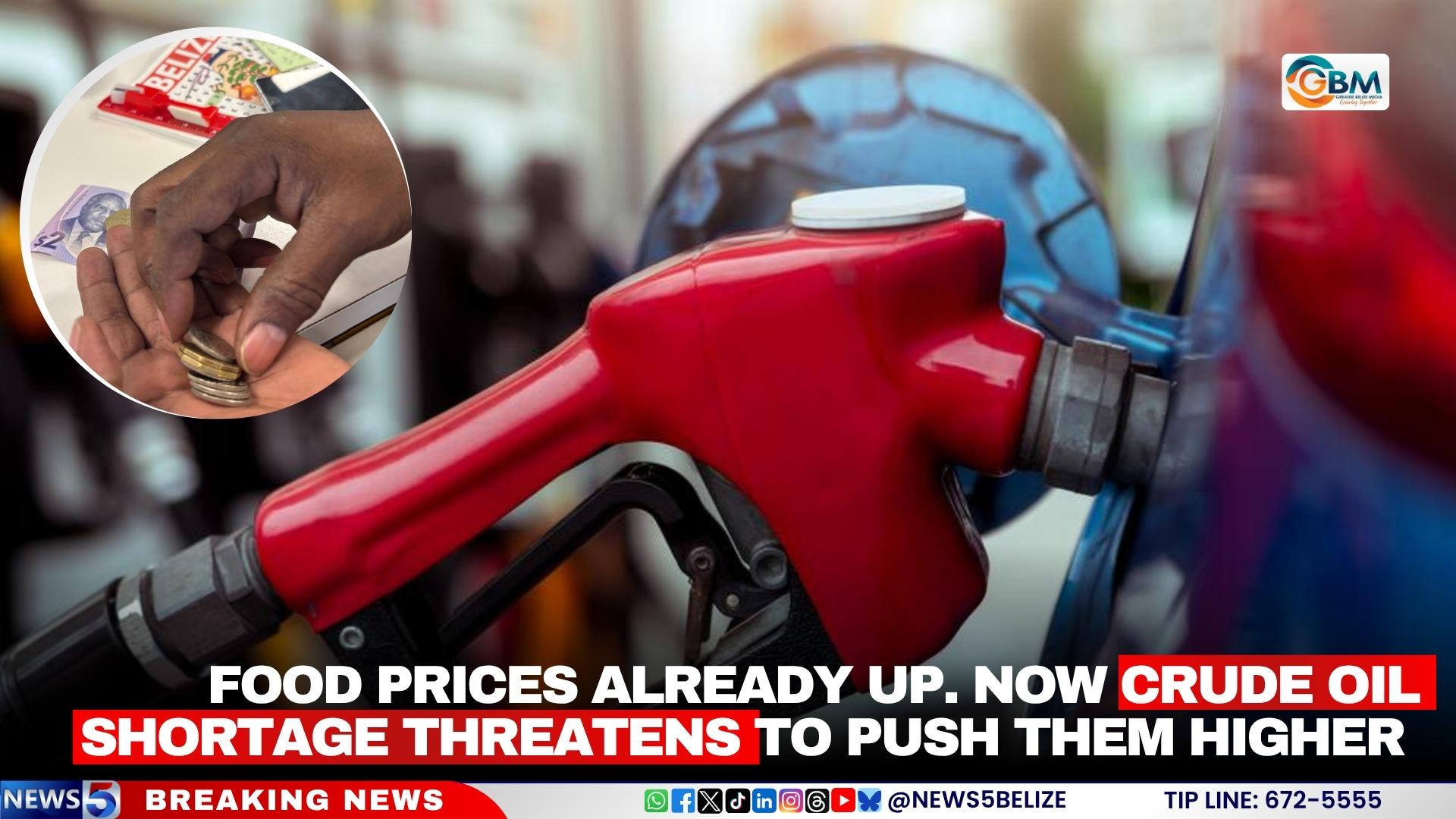
BELIZE DISTRICT, Oct. 30, 2026 — As Belize doubles down on efforts to build out local food manufacturing capacity to reduce reliance on imported agricultural goods, a looming crude oil supply gap is emerging as an unexpected new threat that could push already elevated consumer food costs even higher, local producers warned this week. The alert was raised publicly by Norman Dyck, a Spanish Lookout community representative and former board member of leading local poultry producer Quality Poultry Products, during Wednesday’s official launch of Green Valley Oil’s new domestic cooking oil refinery. Dyck noted that the Spanish Lookout community has successfully brought three large-scale food production facilities online in recent months: a UHT long-life milk processing plant, the Minsa grain mill, and the newly inaugurated cooking oil refinery, all designed to cut the nation’s food import bill. But the rapid expansion of these energy-intensive operations has driven a sharp spike in local electricity demand, prompting many of the new food manufacturers to invest in supplementary solar arrays and backup fossil fuel generators to keep operations running reliably. The expanded generator fleet, however, has drastically increased local demand for crude oil for on-site power generation — a supply that Dyck confirmed has been chronically insufficient in recent weeks. “With more generators in operation, our crude consumption has jumped, but we have not been able to source the volumes we need to keep up with our power requirements,” Dyck explained. “Our biggest fear right now is that we will be forced to switch to diesel to keep these food facilities running, and that shift would immediately add steep new operating costs that will have to be passed on to consumers at the grocery shelf. We are actively working to resolve this crude shortage, but it is a very real, immediate challenge for our entire local food production ecosystem.” Dyck’s warning lands against a backdrop of already mounting cost-of-living pressures for Belizean households, per the latest official data from the Statistical Institute of Belize. The agency’s September 2026 inflation report found that food prices had climbed 4.3% year-over-year, while total national inflation hit 4.7% for the month, driven by concurrent sharp increases in transportation and housing-related expenses. In a parallel development this week, Prime Minister John Briceño clarified that his administration has no plans to label upcoming financial support for state-owned utility Belize Electricity Limited (BEL) a “bailout,” emphasizing that the government retains full ownership of the entity. Briceño also confirmed that Cabinet is currently reviewing plans to reallocate unspent funds from the existing national budget to roll out targeted relief programmes designed to ease the cost-of-living strain for ordinary citizens, though no final details or timeline for the policy rollout have been formalized or released to the public as of press time.