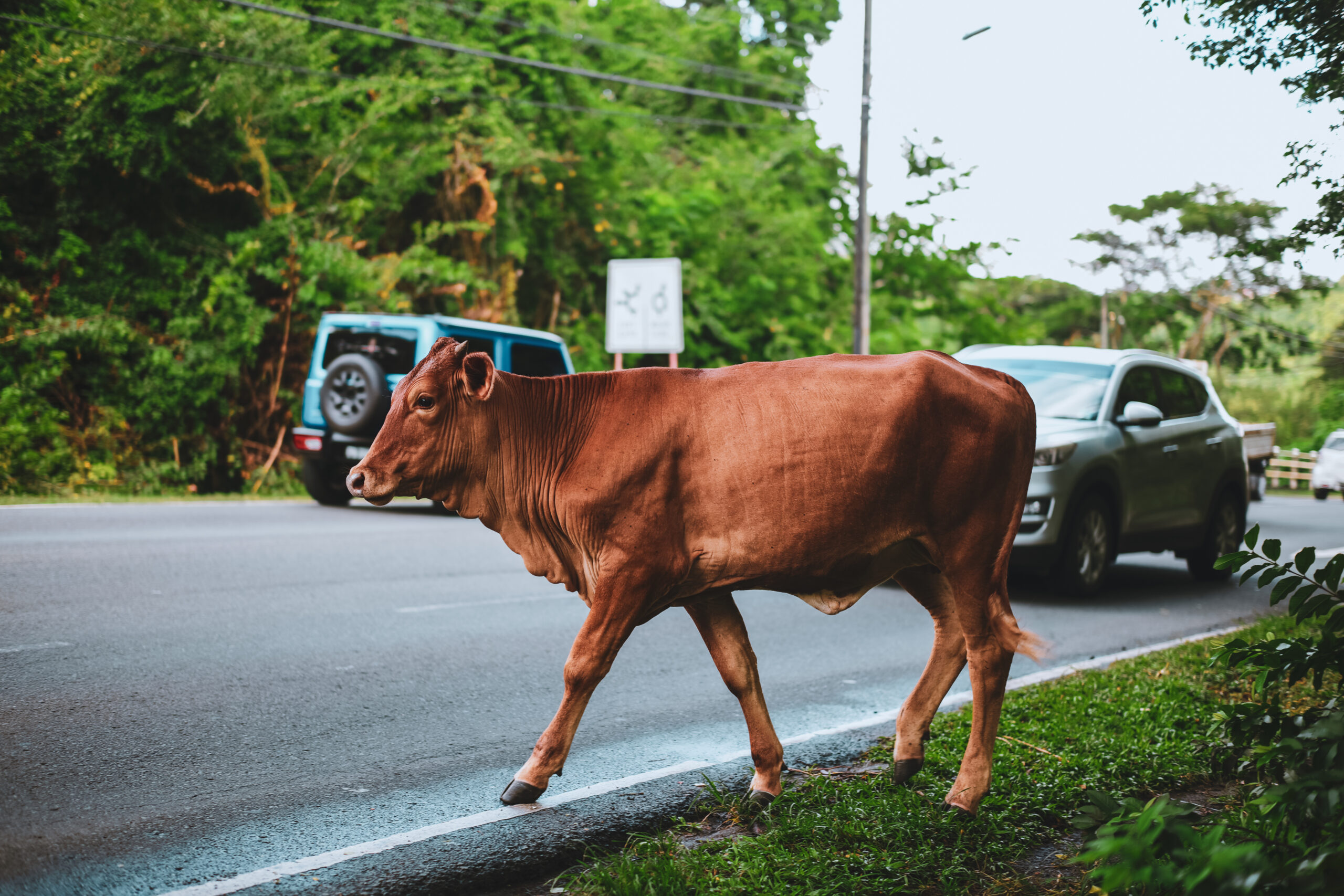
The Department of Agriculture, Fisheries and Food Security in Saint Lucia has issued a binding final notice to all local livestock holders, setting a hard cutoff date of November 8 for owners to corral all free-roaming, stray animals under their care before formal enforcement operations launch the following day. The official public notice, released on a recent Thursday, emphasized that the regulatory body will no longer overlook negligent livestock management practices that have created widespread public safety risks across the island. Starting November 9, specially trained authorized officers will launch targeted impoundment patrols, with initial operations already underway in the high-priority Choc area, as documented in recent on-site photography shared via Agriculture Minister Lisa Jawahir’s public Facebook page. Under the existing national Animals Act, all livestock bear full legal responsibility for maintaining constant, adequate control over their animals at all times. Any cattle, horses, goats, sheep, donkeys or other livestock found wandering unaccompanied on public roadways, highway verges, or trespassing on private residential, agricultural or commercial land will be immediately seized and transported to designated impoundment facilities. Non-compliant owners will face a tiered set of penalties that cover all associated impoundment fees, significant administrative fines, potential formal prosecution in local courts, and even custodial sentences for repeat or severe violations, in line with the statute’s provisions. The law also grants authorities explicit permission to rehome or humanely dispose of unclaimed impounded animals after a defined holding period, following all legally mandated procedural safeguards. This enforcement push comes in response to years of persistent, unresolved public safety hazards created by stray livestock across Saint Lucia: unguided wandering cattle in particular have been linked to multiple traffic collisions that put motorists, cyclists and pedestrians at severe risk of injury or death, while other stray species have repeatedly damaged private property, destroyed standing crops on smallholder farms, and created general public nuisance in residential communities. Department officials noted that the Ministry has spent months rolling out proactive outreach initiatives including widespread public education campaigns, community stakeholder consultations, and free livestock identification tagging drives, alongside repeated public appeals to owners to secure their herds, but non-compliance rates have remained stubbornly high. Back in February of this year, the Ministry carried out an emergency targeted relocation of stray cattle concentrated in the Choc neighborhood after a spike in road accident reports prompted urgent intervention. At the time, Agriculture Minister Lisa Jawahir clarified that while providing long-term secure grazing facilities for livestock was not a formal government obligation, the Ministry had stepped in to temporarily house seized cattle in dedicated holding spaces to prevent preventable loss of human life on local roads, while giving farmers a grace period to arrange their own secure fencing and grazing arrangements. As the new November 8 deadline approaches, the Department has laid out clear, actionable steps for livestock owners to achieve full compliance: installing robust perimeter fencing to fully contain all herds, assigning consistent supervision to monitor animal movements, immediately removing any livestock currently lingering on public roads or verges, utilizing designated, approved grazing lands in line with local land use rules, and fully cooperating with ongoing official animal tagging and identification protocols. Any livestock holders seeking additional guidance, support or resources to meet these requirements can reach out directly to the Veterinary and Livestock Services Division via the official hotlines at 468-5621 or 518-2067 for free assistance.