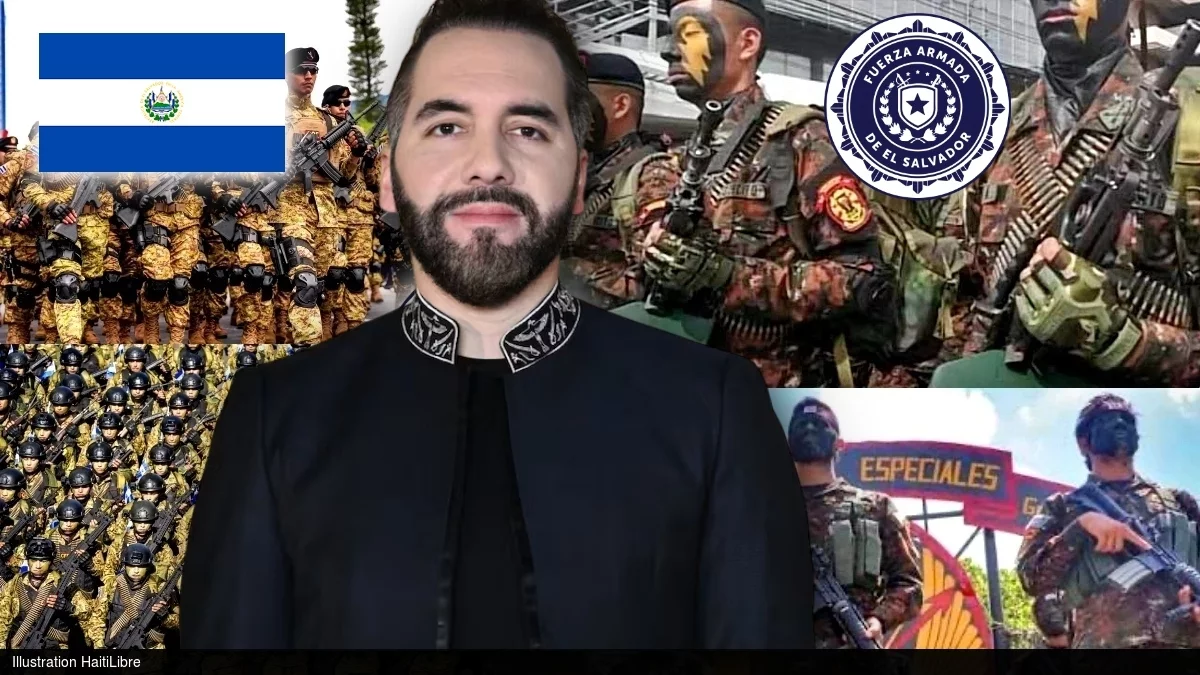
In a public address broadcast to the Haitian population on October 30, 2026, El Salvador’s President Nayib Bukele outlined the rationale for his nation’s ongoing military deployment to Haitian territory, as Salvadoran forces near full positioning of personnel and equipment across the Caribbean nation. Bukele was explicit in rejecting allegations that the operation constitutes an invasion or any hostile action directed at ordinary Haitian citizens, emphasizing that El Salvador, a small developing nation with no status as a global superpower, harbors no ambitions to subjugate the Haitian people or seize control of Haiti’s natural and national resources.
The core stated impetus for the deployment is the safe recovery of four Salvadoran aeronautical technicians currently held in Haiti, paired with a targeted campaign to dismantle violent criminal gangs that have plunged Haitian communities into widespread suffering. Bukele noted that these armed groups have inflicted relentless harm on Haitian families, carrying out targeted killings of civilians and barring ordinary residents from accessing basic freedoms, routine daily activities and a life free of constant peril.
Addressing concerns over the financial burden of the mission, Bukele confirmed that El Salvador is covering 90% of all operational costs using its own limited national resources, with only minor supplementary logistical support contributed by a small handful of allied partner nations. He acknowledged that the expenditure places significant strain on the Central American nation’s modest budget, but framed the investment as non-negotiable, rooted in El Salvador’s own recent history of overcoming decades of gang-fueled bloodshed and systemic societal collapse.
Bukele drew a direct parallel between Haiti’s current crisis and the widespread violence and pervasive fear that gripped El Salvador for more than two centuries, a period he described as even more brutal than the hardships Haitian citizens face today. He recalled that during El Salvador’s darkest years, international aid promises rarely translated to meaningful support, and the few outside actors that intervened did so with exploitative, self-serving agendas rather than genuine goodwill. El Salvador ultimately overcame that cycle of violence to earn its current status as the safest nation in the Americas, he added.
Stressing that no external party is funding the intervention and that El Salvador stands to gain no financial profit from the mission, Bukele called on Haitian citizens to place their trust in the Salvadoran forces, and referenced a verse from the Christian biblical text 2 Chronicles 7:14, which states, “if my people, which are called by my name, shall humble themselves, and pray, and seek my face, and turn from their wicked ways; then will I hear from heaven, and will forgive their sin, and will heal their land.” He concluded by noting that all Salvadoran troops will withdraw from Haiti immediately once the dual goals of rescuing the four technicians and neutralizing violent gang networks are fulfilled, expressing hope that future generations of Haitians will remember El Salvador as a genuine ally that extended support in the nation’s hour of greatest need.