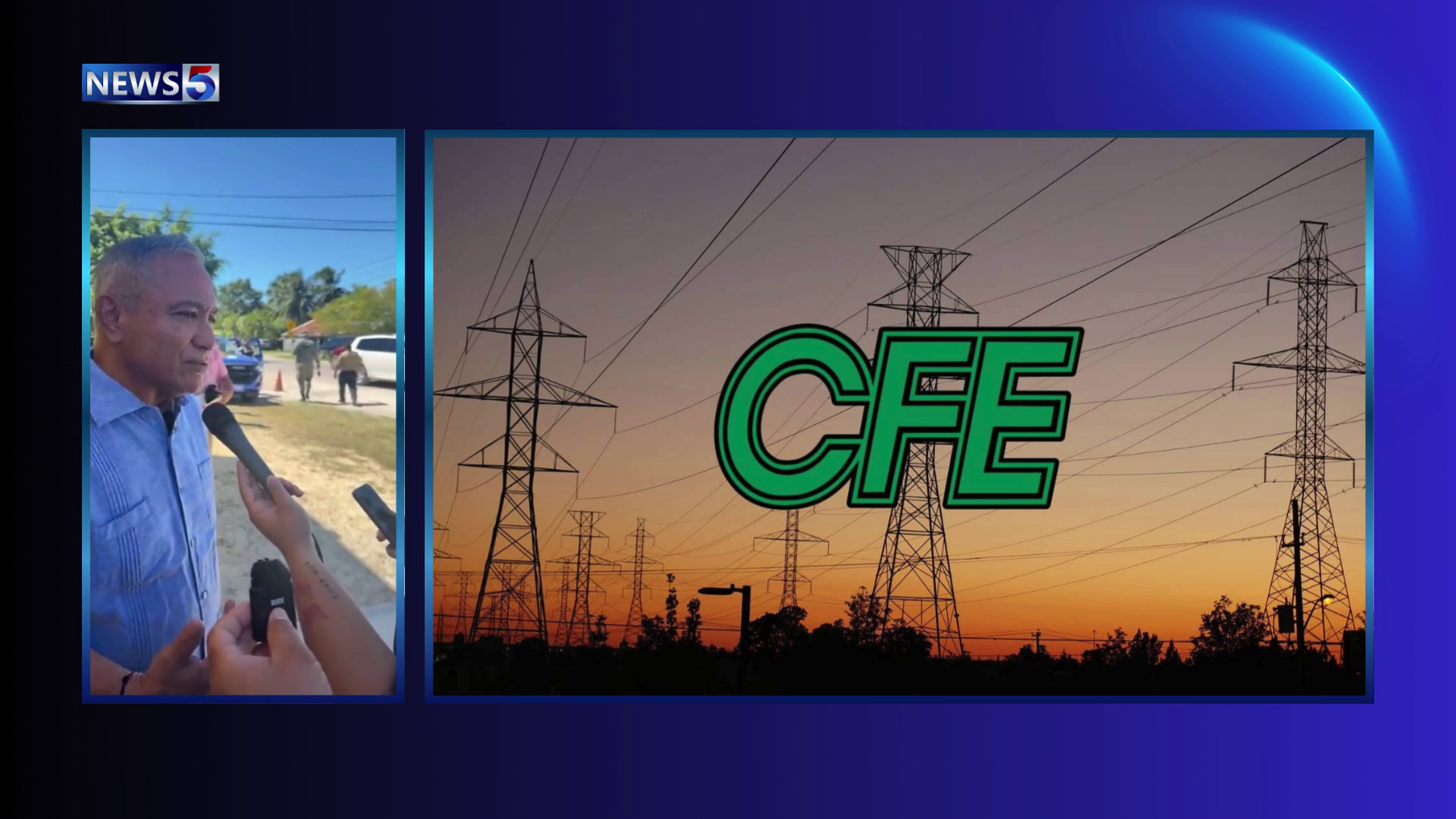
On October 29, 2026, a heated public debate has erupted over the Belizean government’s ongoing financial support for Belize Electricity Limited (BEL), the nation’s state-run power utility, as the firm grapples with escalating fiscal strains that threaten consistent electricity delivery to households and businesses. Earlier in 2026, the administration faced public scrutiny after committing a $73 million capital injection to BEL, a sum officials previously stated was earmarked to clear overdue liabilities to Mexico’s state-owned power provider Comisión Federal de Electricidad (CFE) and cover routine operational shortfalls. Now, BEL executives have notified government leaders that an additional $20 million in public funding is urgently required to settle outstanding payments to CFE and prevent widespread service disruptions across the country.
Amid growing public and opposition criticism framing the successive funding infusions as taxpayer-funded bailouts, Prime Minister John Briceño has pushed back firmly against that terminology during a recent public address. “I think we need to stop using the word bailout because remember we own BEL, it’s our asset that we own,” Briceño emphasized, noting that power utilities across every region of the globe have faced unprecedented operational headwinds in recent years. He specifically highlighted the dramatic surge in global diesel prices, which have more than doubled since the onset of the Iraq conflict, as a core driver of BEL’s fiscal challenges. The prime minister framed the public funding commitments as strategic, recoverable investments rather than uncompensated handouts. “We have to make sure that we can keep the lights on. We have to be able to serve the people with energy and at the same time it is an asset that all of us own. So whatever we put in there it is an investment and that we hope that eventually we’ll be able to recoup, not necessarily by keeping prices high, but by be able to find cheaper sources of energy, which is what we’re doing as we speak,” Briceño explained, referencing ongoing administration efforts to expand access to low-cost renewable power generation.
Briceño also laid significant responsibility for BEL’s long-running fiscal crisis on the prior United Democratic Party (UDP) administration, arguing that the utility’s current debt hole traces back to 2012, when the former government failed to roll out new, diversified domestic power generation capacity. He noted that his administration has worked tirelessly since taking office to resolve the structural gaps in the national power grid, with plans to bring new solar generation resources online as early as 2026. Briceño added that officials were first alerted to the looming power supply shortfall during a meeting with BEL and Public Utilities Commission (PUC) representatives in October 2025, prompting cabinet to fast-track approvals for a public tender for additional independent power sources to mitigate the emerging crisis.