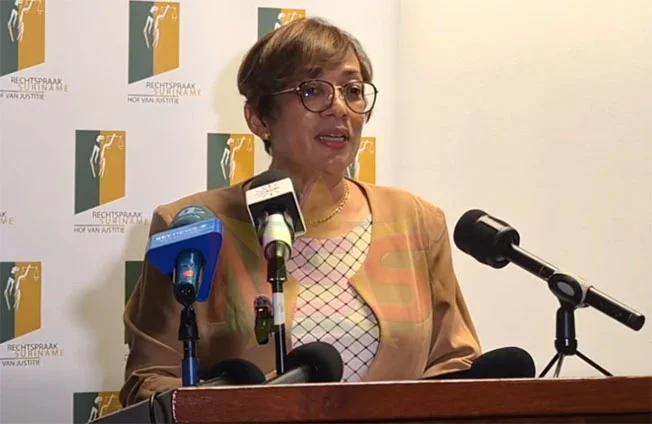
A Surinamese lower court has formally dismissed an urgent interim injunction filed by Suriname Green Energy Agriculture N.V. that sought to halt the government’s planned deportation of 63 Mennonite workers, including three infants, ruling that the company’s economic interests do not override the state’s legal mandate to enforce immigration regulations. The landmark ruling, delivered by Cantonal Judge Deborah Haakmat-Sniphout on October 29, followed a hearing where the firm never disputed that none of the affected group held valid active residence permits in Suriname. Court spokesperson Judge Marjory Sanches later clarified the full reasoning behind the verdict, noting that the judiciary explicitly acknowledged the company’s legitimate economic stake in retaining the workers: the mass departure of the Mennonite labor force would disrupt ongoing agricultural project operations and put significant prior corporate investments at risk. Even so, the judge emphasized that no private commercial interest, no matter how substantial, supersedes the sovereign right of the Surinamese state to uphold its domestic laws within its national territory. Background details reviewed during proceedings showed that the government had granted the firm approval in 2022 to bring 50 foreign families to Suriname for a three-year tenure to work on its agricultural initiative, with a non-negotiable condition that the company follow all official protocols to secure valid residence and work permits for all imported staff. While the state had pledged administrative cooperation to support the permit application process, the court ruled this agreement did not absolve Suriname Green Energy Agriculture of its independent legal responsibility to ensure all its foreign employees held properly documented, unexpired immigration status. Court records confirmed the company never submitted full applications for formal residence permits for the 63 Mennonite workers, only filing a request for short-term stay authorization that was rejected due to incomplete, non-compliant supporting documentation. All members of the group originally entered Suriname on 90-day tourist visas that had long expired by the time the interim injunction was filed. The ruling also addressed a preliminary objection raised by the state, which had argued the company lacked legal standing to bring the case, claiming only the individual Mennonite workers could file appeals under Suriname’s Foreign Nationals Act. The judge rejected that objection, confirming the agricultural firm held independent, verifiable legal standing to file the urgent suit, as mass deportation would cause direct, measurable harm to its business operations. Crucially, the court clarified that its verdict does not order the immediate deportation of the Mennonite families: it only rejects the company’s request to bar the government from making preparations for potential deportation proceedings. Judge Sanches confirmed no evidence was presented during the hearing to indicate the state would fail to follow all legally mandated procedural safeguards if it proceeds with formal deportation actions. As of the ruling, the 63 Mennonite individuals have been residing in the Kraka settlement since they were removed from the Mazonia project area on October 26, and all future steps regarding their status fall exclusively under the purview of Suriname’s immigration authorities. Suriname Green Energy Agriculture has been ordered to pay SRD 13,500 in court costs to the state, a ruling that is immediately enforceable even if the company files an appeal. The firm retains the right to lodge an appeal against the full verdict within a 14-day window following the October 29 judgment.
Zaak mennonieten: Economisch belang bedrijf weegt niet op tegen handhaving vreemdelingenwet