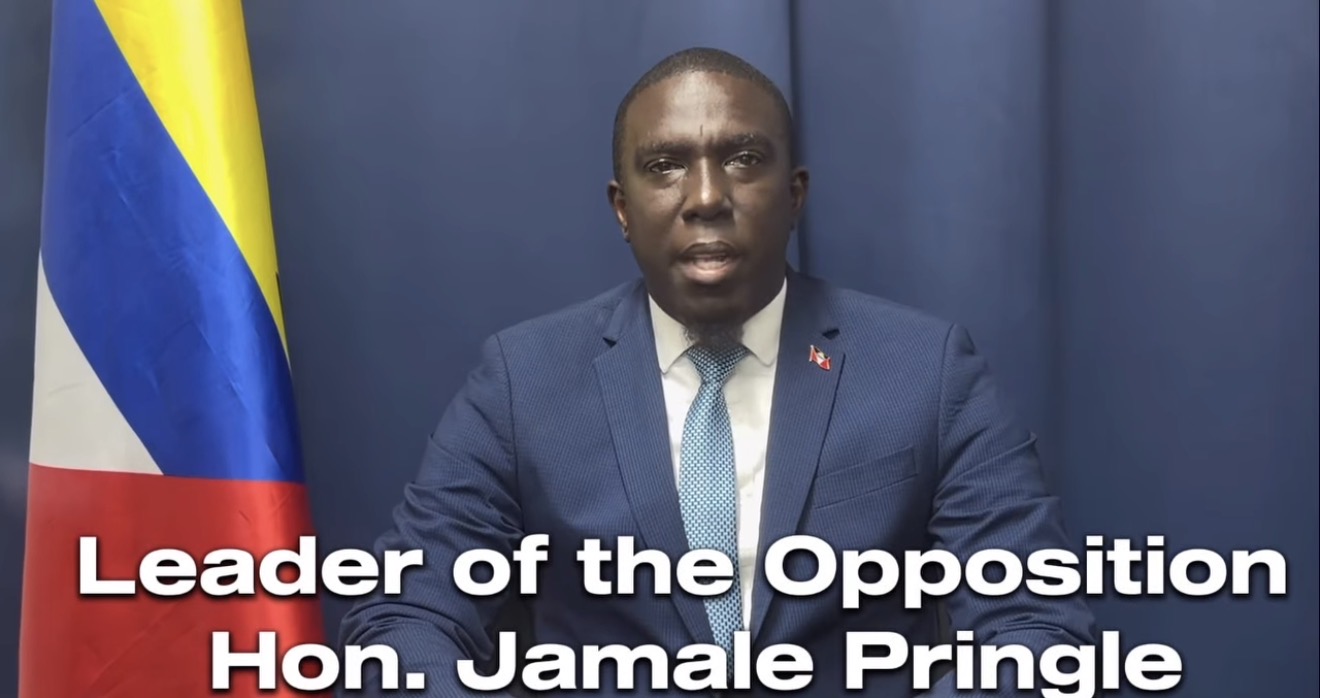
Antigua and Barbuda’s main opposition United Progressive Party (UPP) has issued a firm public advisory to the ruling Gaston Browne Administration, urging officials to abandon any ongoing plans to roll back longstanding bus transportation subsidies for school-aged children, framing such a policy shift as a deeply shortsighted and socially insensitive move amid a widespread cost-of-living crunch. Party leadership is instead laying out a targeted alternative framework that would direct dedicated fuel assistance to licensed public transit operators, a measure designed to prevent transit providers from passing inflated operational costs directly onto already financially strained working parents. UPP Political Leader and Member of Parliament for the rural All Saints East and St. Luke constituency Jamale Pringle laid out the party’s formal position in a public address this week, noting that the administration has already demonstrated willingness to extend targeted fuel concessions to support the domestic fisheries industry, and that public bus operators who deliver critical community services deserve equivalent targeted support. “Our local bus fleet does not only move children between their homes and school campuses every weekday – these operators keep the broader economy running by ferrying working residents to their places of employment reliably, and they have been squeezed relentlessly by global fuel price surges over the past two years,” Pringle emphasized. The opposition parliamentarian stressed that pulling back student transport support would heap yet another unmanageable financial burden on households that are already navigating steep, sustained increases in grocery costs, residential electricity tariffs, and nearly every other core household expense. He called on the Browne Administration to implement a 12-month temporary targeted fuel subsidy exclusively for public bus operators, a policy design that would cap operating costs for transit providers and lock in affordable fares for all commuters, including families transporting their children to educational sites. “The responsible path forward is not to shift all the pain of rising operational costs onto parents, but to create targeted buffers that help bus operators navigate volatile fuel markets directly,” Pringle noted. “Policymakers have a clear obligation to craft measures that shield low- and middle-income working families, and to formally recognize that public transit is a non-negotiable essential public service, not a discretionary luxury.” Pringle went on to criticize the incumbent administration’s existing spending priorities, arguing that the Browne government has consistently allocated millions of public tax dollars to low-priority projects that deliver no measurable, tangible benefit to the working parents who fund public coffers. “This administration always somehow manages to find budget room for dozens of far less critical initiatives, even after years of documented public spending excess,” he added. “There is no justification whatsoever for making the transportation access of schoolchildren the very first line item sacrificed to balance the books.”
Pringle Defends Children’s Right to Access Education and Calls for Fuel Subsidies for Bus Operators