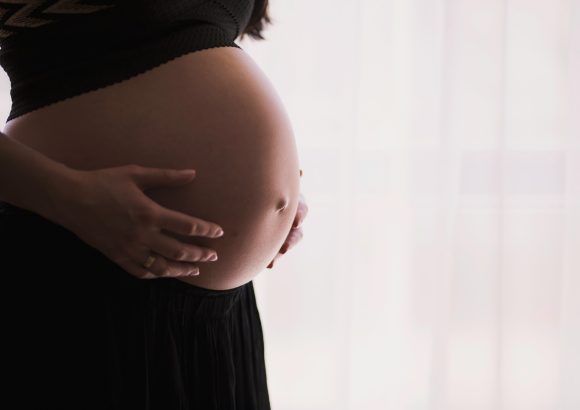
Santo Domingo, Dominican Republic – Official data released by the National Statistics Office (ONE) has laid bare a persistent public health challenge facing the Caribbean nation: one out of every five confirmed pregnancies recorded across the country in the first six months of 2026 occurred among adolescent girls, totaling 7,124 cases that represent 20.05% of all national pregnancies for the period.
While official figures confirm a modest year-on-year downward trend in adolescent pregnancy rates, the issue remains a top public health and social priority for local authorities. Data for the second quarter of 2026 shows 3,368 recorded teen pregnancies, a 3.91% reduction compared to the same three-month window in 2025, a modest improvement that has not eased concerns over the long-term risks associated with early pregnancy for young mothers and their children.
To accelerate progress on prevention targets, the United Nations Population Fund (UNFPA) in partnership with global pharmaceutical firm Organon formally launched a targeted community intervention on Wednesday, designed to curb both early informal unions and adolescent pregnancy across underserved communities in the Ozama River basin.
The geographically focused program will operate across four high-need neighborhoods: María Auxiliadora, Gualey, Los Guandules, and Guachupita. Its core objectives include expanding socioeconomic opportunities for local adolescents, breaking down barriers to accessible sexual and reproductive health care, and creating streamlined, formal coordination frameworks between national public institutions and grassroots community groups that serve local youth.
The targeted intervention was developed in direct response to alarmingly high demographic indicators specific to the Ozama River region, according to 2025 data from the ENHOGAR-MICS national household survey. The survey found that 23% of women aged 20 to 24 in the area entered a formal or informal union before reaching their 18th birthday, while 8.7% of that demographic entered such a union before they turned 15. The local adolescent fertility rate currently sits at 31 births per 1,000 women between the ages of 15 and 19, far above the national average in many comparable Latin American and Caribbean nations.
Program activities will cover a wide spectrum of evidence-based interventions, including age-appropriate comprehensive sexual health education workshops, widespread distribution of evidence-based reproductive health information, and expanded access to a full range of contraceptive options, including long-acting reversible contraceptives that have been proven to reduce unplanned pregnancy rates among young populations.
The implementation phase will be run in close collaboration with the Dominican Republic’s National Health Service (SNS) and the Dr. Julio Manuel Rodríguez Grullón Maternal and Child Hospital, leveraging existing local health infrastructure to ensure long-term sustainability. This new partnership marks the second phase of a broader collaborative effort between UNFPA and Organon, which first rolled out successful targeted prevention programs in the Dominican regions of Azua, San Juan de la Maguana, and Dajabón in earlier years.
Lead organizations state that their long-term goal is to develop a fully replicable, community-centered intervention model that can cut local rates of teen pregnancy and early unions, strengthen the capacity of local health systems to serve adolescent populations, and be adapted and scaled to other high-need regions across the Dominican Republic in future public health campaigns.
One in five pregnancies in Dominican Republic involved adolescents