King Charles III has officially kicked off his landmark nine-day inaugural royal tour of the Caribbean as reigning monarch, opening his trip in the Bahamas with a public recognition of the profound “great suffering of the past” tied to colonial exploitation, even as regional governments and local activists escalate longstanding demands for formal British apologies and financial reparations for the transatlantic slave trade.
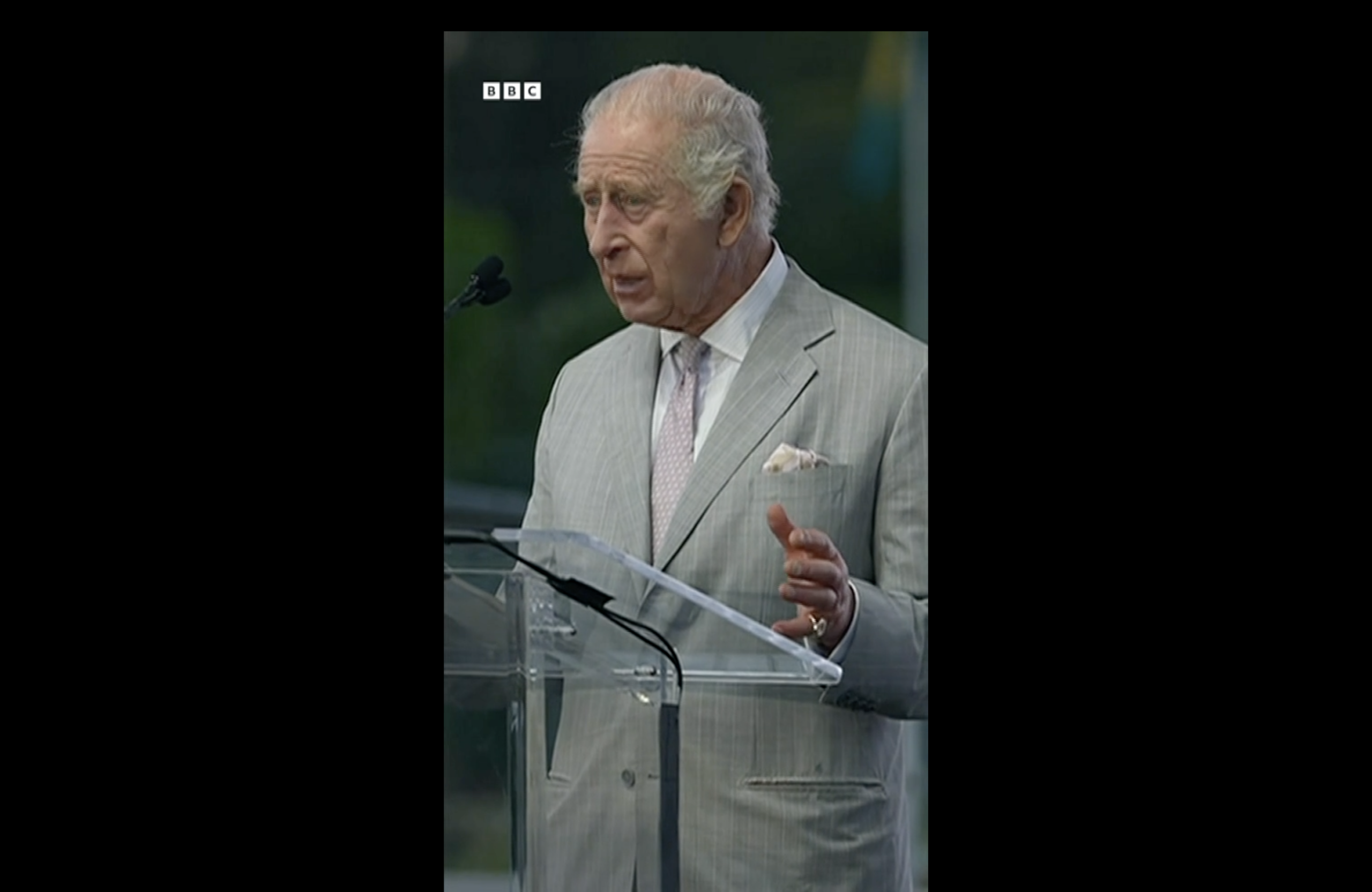
The monarch delivered his first public address of the tour at a youth-focused celebration in Nassau, where he framed the Bahamas’ vibrant, distinct national culture as one that “was born out of darkness,” noting that acknowledging the unvarnished historic injustices of the colonial era was a fundamental, non-negotiable act of respect. Buckingham Palace had signaled ahead of the trip that the King would not avoid confronting the enduring harms of colonial legacy and the transatlantic slave trade, but confirmed that his position would align with the official UK government stance: no formal apology for Britain’s central role in the enslavement and exploitation of millions of African people, and no commitment to deliver reparations to affected Caribbean nations.
The tour is scheduled to reach its climax at the upcoming Commonwealth Heads of Government Meeting (CHOGM), where King Charles has confirmed regional leaders will hold dedicated discussions on the unaddressed legacy of the slave trade across the Caribbean. This visit unfolds against a backdrop of surging public and political pressure across Caribbean nations, where officials and community advocates have repeatedly called on the British state to take accountability for its centuries-long role in the trafficking, forced labor, and brutal exploitation of enslaved people that generated massive wealth for British institutions and elites.
Upon his arrival in Nassau on Tuesday, the King was formally welcomed by Bahamas Governor General Dame Cynthia A. Pratt and Prime Minister Philip Edward Davis, before inspecting a guard of honour and greeting serving members of the Royal Bahamas Defence Force. Wearing a tailored grey suit and sunglasses, he then traveled to his first public engagement at Clifford Park, the very same site where he had attended the Bahamas’ 1973 independence celebrations as the Prince of Wales, 50 years prior. Hundreds of local students, granted approved time off from classes to attend the youth rally, lined the venue to greet him, with one teenage attendee telling BBC reporters that seeing the King in person after only ever viewing him on social media platform TikTok felt “cool” and surreal, drawing loud cheers from much of the gathered crowd.
A small but vocal group of roughly a dozen peaceful protesters was stationed just outside the perimeter of the main rally venue, kept separate from the royal event by local security personnel. The demonstrators chanted clear demands: “pay us what you owe us” and “return artefacts you’ve stolen,” calling on the King to leverage the remaining soft power and institutional influence of the Crown to pressure the UK government to reverse its current refusal to apologize or negotiate reparations. Protester Sharon Purcer-Cooper emphasized that the Crown retains significant structural influence across former Caribbean colonies, warning that “if you do not show respect to the former colonies, then we will become a republic and we will turn our backs on England.”
Beyond addressing colonial and slavery legacy, the King used his platform at the youth rally to highlight his five-decade personal track record of climate advocacy, emphasizing the acute, existential climate risks facing low-lying small island nations across the Caribbean. He told the gathered young attendees that “our world cries out for healing,” urging them to embrace the “sacred task” of taking active individual and collective action to protect the planet, noting that “in years to come, this will be surely be the measure of every person – how they answered the call to care for planet earth – the source of our life, our prosperity and our security.”