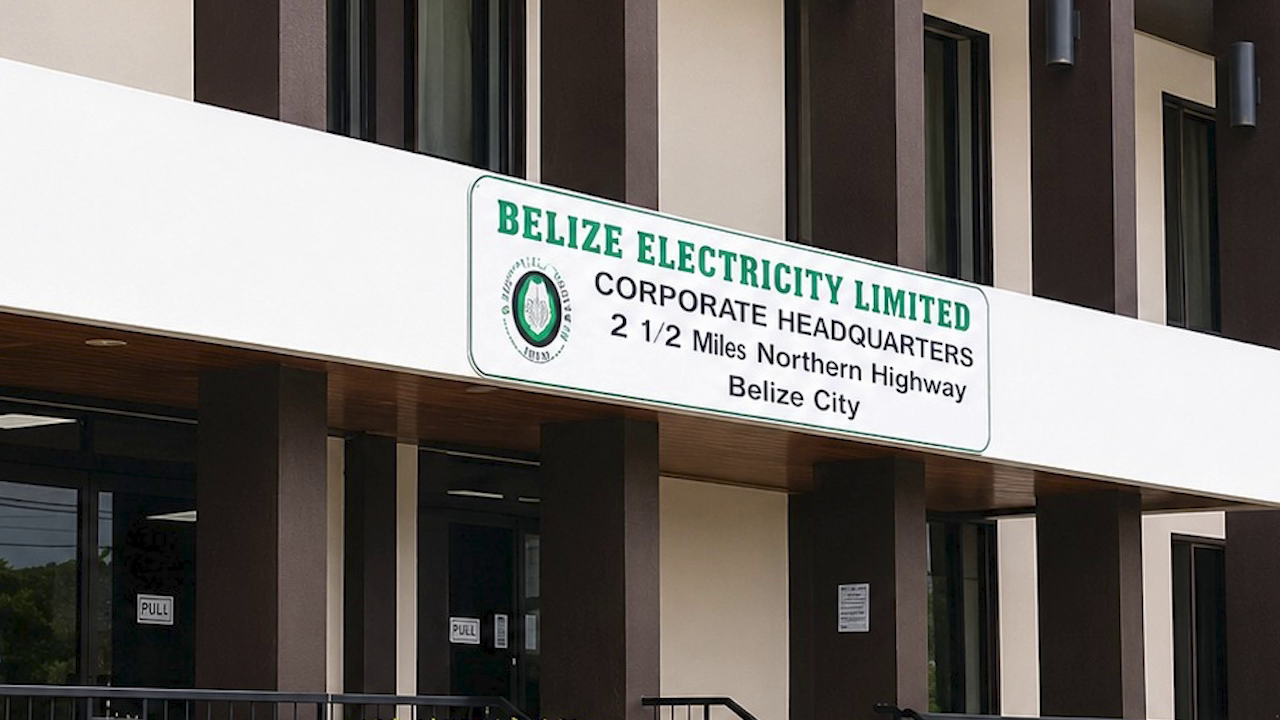
Released on October 28, 2026, the latest regulatory development from Belize’s energy sector centers on a formal petition filed by Belize Electricity Limited (BEL) with the national Public Utilities Commission (PUC) to revise the existing maximum threshold for its Cost of Power Adjustment (COPA) mechanism. The utility firm is pushing to double the current 5% COPA cap to 10%, a change it frames as a necessary safeguard against unprecedented upward pressure on energy production costs driven by global imported fuel price hikes and a growing reliance on high-cost diesel generation to meet unbroken local electricity demand that has so far avoided widespread load shedding. BEL’s position is that the COPA framework is designed exclusively to pass through the actual, unmarked costs of power procurement, rather than generate additional profit for the company, but the proposed doubling of the cap would translate to far sharper potential monthly bill fluctuations for both residential households and commercial enterprises across Belize. Dr. Leroy Almendarez, Chief Executive Officer of Belize’s Ministry of Public Utilities, offered clarifying public remarks on the pending application earlier this week, walking stakeholders through the existing regulatory structure and next steps for public input. He outlined that under the current 5% cap, the maximum monthly surcharge added to the established 30.06 cent per kilowatt hour reference power cost is 1.5 cents per kWh, a figure that can also fall to reduce consumer bills if procurement costs dip. However, the recent surge in generation costs, with diesel-powered production now hitting roughly 80 cents per kWh, has pushed BEL far beyond the existing 5% adjustment limit, prompting the new filing. If the PUC approves the revised 10% cap, the maximum allowable monthly COPA surcharge would jump to 3 cents per kWh. Dr. Almendarez confirmed that the PUC has already launched a public consultation period for the proposal, inviting all members of the public, households and business operators alike, to submit formal, evidence-based feedback either supporting or opposing the request before the commission issues its final ruling.