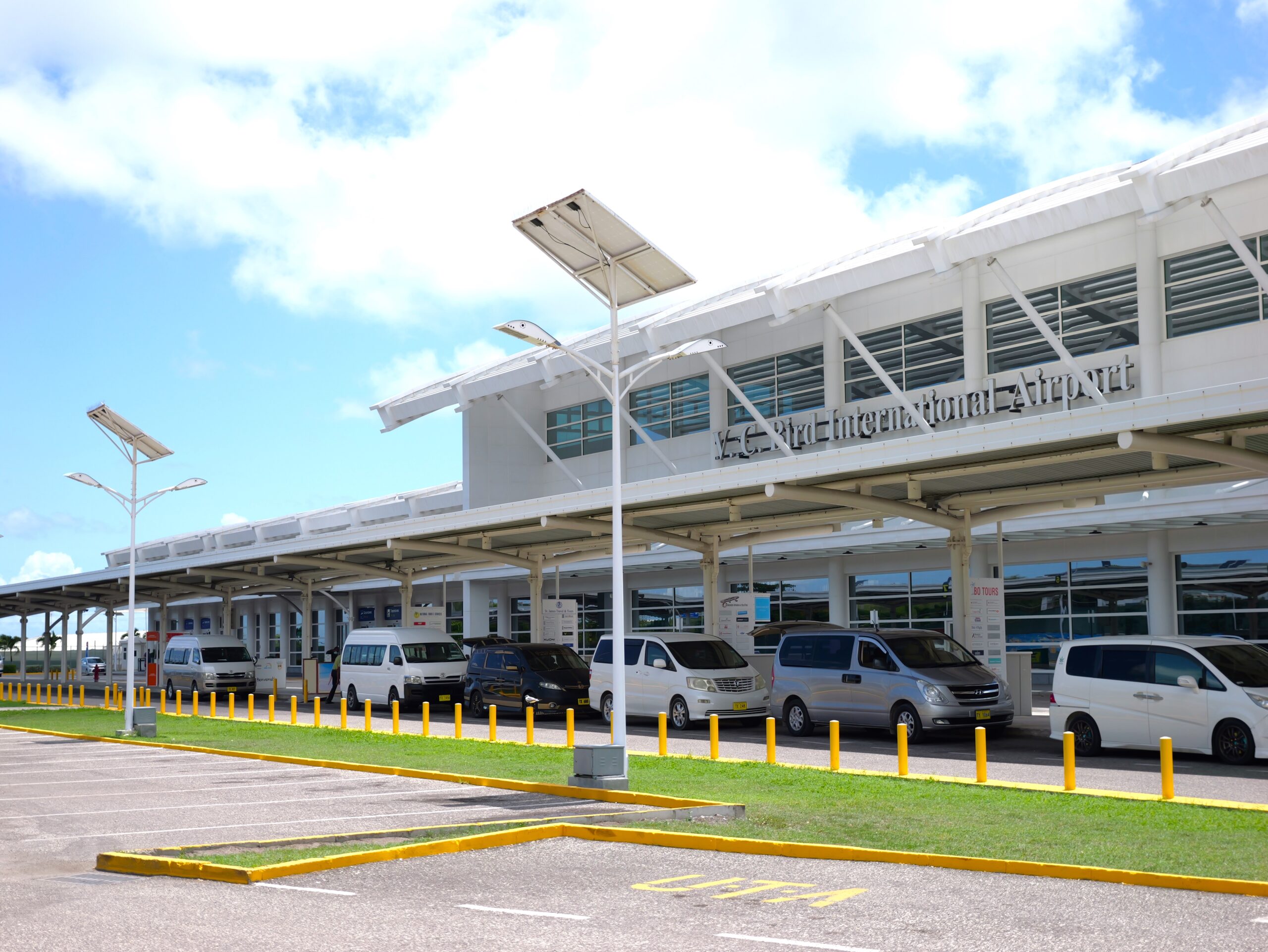
Following a formal Cabinet meeting held on October 21, the Government of Antigua and Barbuda has greenlit a sweeping overhaul of its border health infrastructure, rolling out a new unified Port Health and Border Health Services programme housed under the national Ministry of Health. The initiative is designed to close longstanding gaps in public health threat detection and response at all of the country’s critical points of international entry, including V.C. Bird International Airport, Burton-Nibbs International Airport in Barbuda, St. John’s Port, Falmouth Harbour and Jolly Harbour. The restructuring is set to standardize previously fragmented operating protocols, break down inter-departmental coordination silos, and build a more agile, robust line of defense against communicable disease outbreaks and other health risks tied to global travel and cross-border trade. Under the new governance structure, a dedicated Programme Manager will oversee day-to-day staffing deployment, resource allocation and operational workflows, while senior public health officials will retain full oversight to enforce rigorous medical, nursing and environmental health compliance standards. While Cabinet’s official meeting report initially approved a total of 22 full-time positions for the new programme, the accompanying staffing framework document outlines 24 proposed roles, creating a minor administrative discrepancy that health ministry officials say will be clarified in upcoming weeks to lock in the final headcount. The planned roster of specialized staff includes medical officers, port health nurses, environmental health officers and a dedicated nurse epidemiologist, with trained health personnel assigned on a permanent basis to every high-traffic port of entry. Government officials emphasize that the entire restructuring initiative is fully aligned with World Health Organization International Health Regulations and guidance from leading regional health bodies, and will deliver dual benefits: stronger safeguards to protect the health of local residents and visiting tourists, while also creating a more resilient operational environment that supports long-term continuity for the country’s vital tourism, trade and commercial sectors.