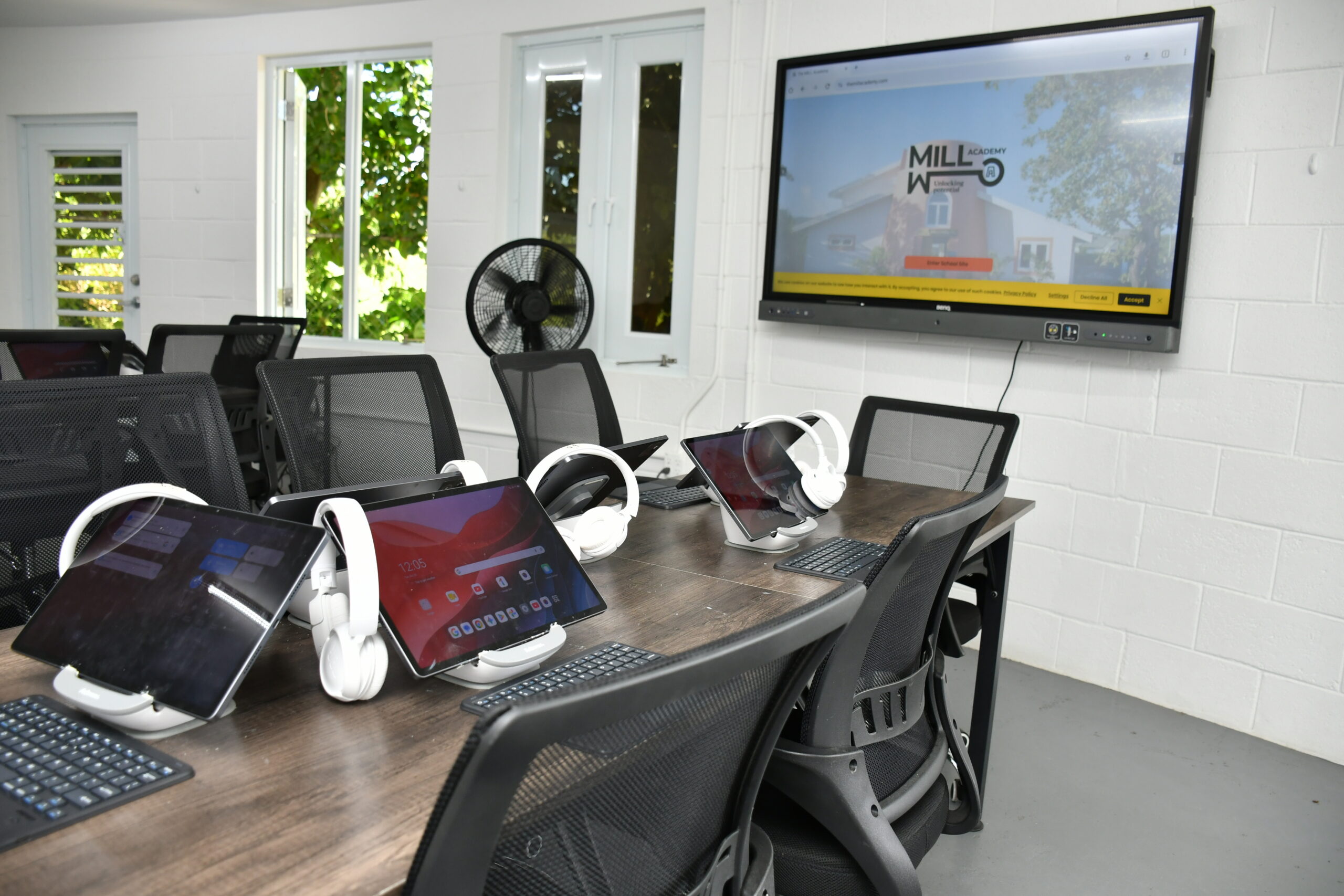
A sweeping, purpose-driven classroom transformation at Mill Academy has officially launched, reimagining the historic learning institution’s physical and digital infrastructure to remove longstanding barriers to high-quality tech-enabled education for two underserved community groups: enrolled K-12 students and local adult women who previously lacked reliable access to digital skill-building resources. The multi-phase renovation, completed over a six-month period with funding from regional education grants and local corporate philanthropy, replaced outdated, under-resourced classroom spaces with state-of-the-art interactive whiteboards, high-speed broadband connectivity, 120 new laptop and tablet devices, and dedicated modular workstations tailored to accommodate both full-time student schedules and flexible, after-hours learning tracks for adult learners. School administrators noted that the redesign was intentionally structured to move beyond traditional one-size-fits-all classroom layouts, with dedicated breakout zones for collaborative project work, one-on-one tech tutoring, and quiet study spaces for adult learners balancing part-time work and caregiving responsibilities alongside their coursework. For the academy’s 450 enrolled students, the upgraded spaces now enable daily hands-on lessons in coding, digital media production, and data literacy that were previously impossible to deliver at scale, aligning local K-12 curricula with national digital learning standards that prepare young people for 21st-century career paths. For the 87 local adult women who have already enrolled in the academy’s new free evening digital skills program, the transformed classrooms offer a rare accessible pathway to earn industry-recognized certifications in basic computer operations, remote work tools, and digital entrepreneurship, resources that many participants reported were previously unavailable to them due to geographic, financial, and scheduling constraints. Mill Academy’s head of community outreach emphasized that the project was rooted in a core mission to turn the educational institution from a space that served only its full-time student body into a regional hub for intergenerational digital equity, with plans to expand the program to serve an additional 200 adult learners by the end of the 2025 academic year.
Mill Academy Classroom Transformation Opens New Doors to Digital Learning for Students and Adult Women