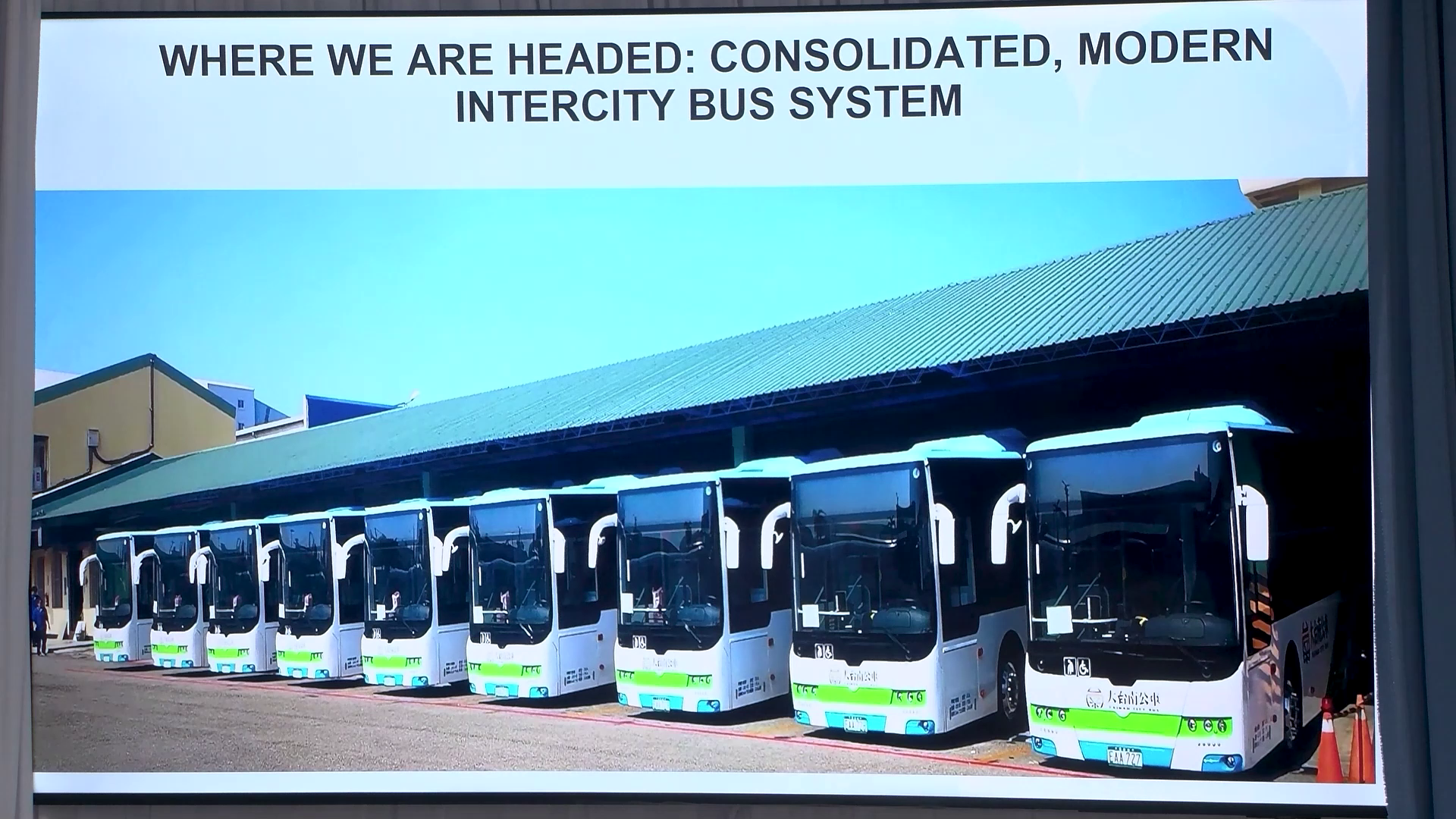
Published October 27, 2026, the latest public transport update from Belize’s Ministry of Transport sheds new light on the long-awaited rollout of the country’s first zero-emission bus fleet, a initiative that has sparked widespread optimism among local commuters and sustainability advocates across the nation. The planned 75-strong electric bus network is being rolled out in two coordinated phases, anchored by a generous donation partnership with the Government of Taiwan. Transport Minister Louis Zabaneh provided a detailed public progress briefing this week, confirming that key preliminary groundwork has already been completed to move the project past its earliest planning stages. “We finalized and submitted our full technical specifications for the required buses, a framework developed directly from two on-site visits that the selected Taiwanese manufacturing partners completed in Belize to assess local road conditions, commuter ridership patterns, and regional terrain constraints,” Zabaneh explained. The full project scope is structured to deliver 24 electric buses paired with purpose-built charging infrastructure in its first phase, funded entirely via a grant from the Taiwanese government. Responsibility for running the formal procurement tender process for this initial batch now rests with Taiwanese authorities, who are expected to issue award notifications in the coming weeks. Once the initial 24-unit fleet is deployed and operational, Belize’s National Bus Company (NBC) will use its internal operating cash flow to fund the remaining 51 electric buses, bringing the total national zero-emission public transit fleet to 75 vehicles. Zabaneh noted that once the Taiwanese tender process is finalized, government teams will coordinate directly with the winning bidder to map out end-to-end logistics for shipping both the buses and supporting charging hardware across the Pacific and Caribbean to Belize, followed by local installation, driver training, and regulatory safety testing before the units can enter regular public service. This initiative marks one of Belize’s most substantial investments in low-carbon public transport to date, set to cut urban air pollution, reduce long-term public transit operating costs tied to volatile fossil fuel prices, and upgrade daily commuter experiences for thousands of residents nationwide. The original broadcast was transcribed directly from the network’s evening television newscast, with any Kriol-language segments converted using a standardized, accessible spelling system for online publication.