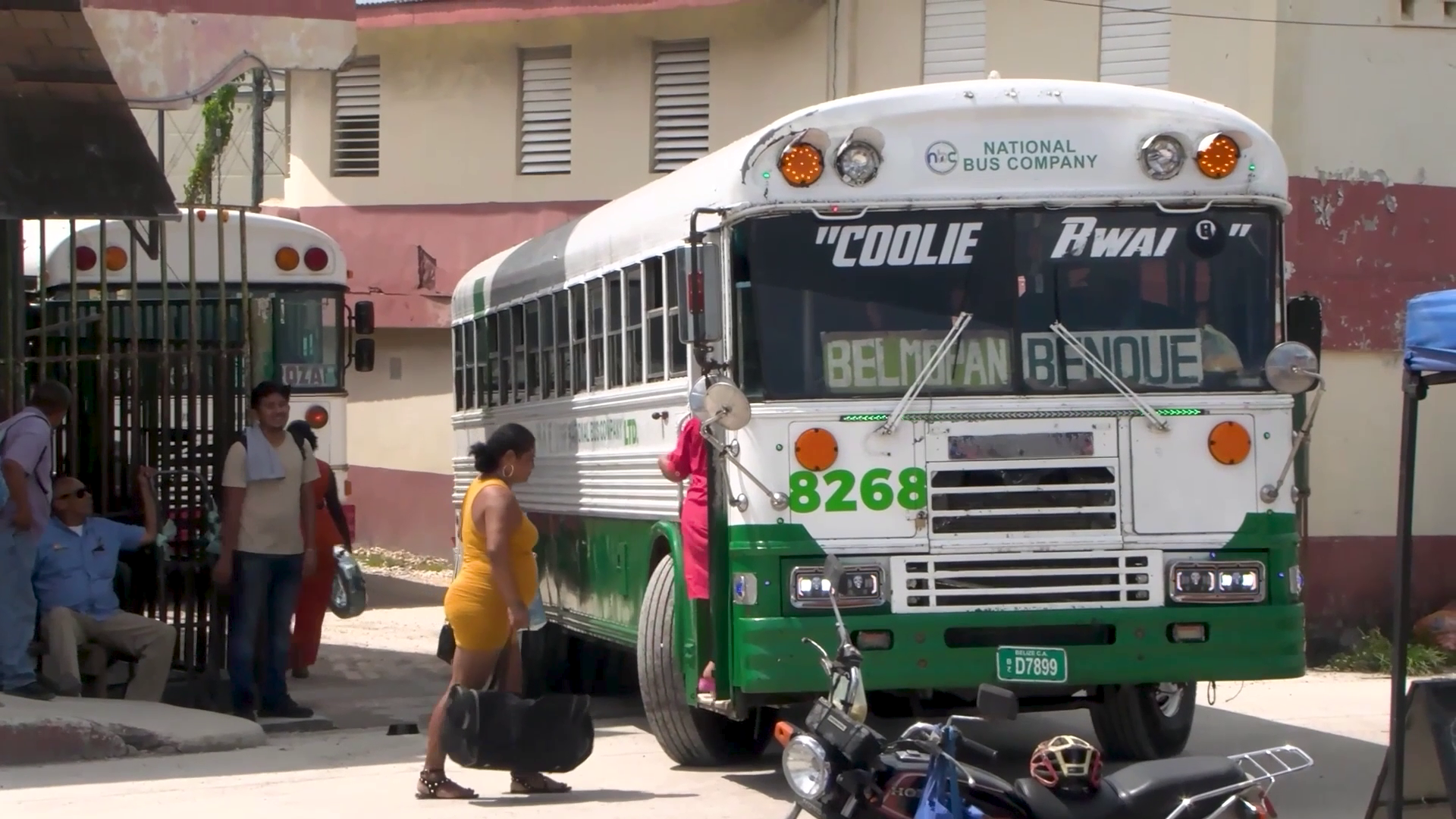
On October 27, 2026, Belize’s Transport Minister Louis Zabaneh outlined a forward-looking public transit overhaul centered on replacing the country’s existing diesel bus fleet with electric alternatives, framing the policy as a targeted solution to ease widespread household financial strain as local residents actively seek out cost relief amid persistent high fossil fuel prices.
Zabaneh emphasized that diesel fuel currently stands as the single largest recurring operating expense for the nation’s public bus operators, a cost that has long put steady upward pressure on passenger fares. The minister noted that the country’s National Bus Company (NBC) alone consumes more than 800,000 gallons of diesel annually, a cost that totals roughly BZ$11 to 12 million each year. Full fleet electrification would eliminate this entire line item, cutting operational overhead dramatically rather than passing volatile global fuel price fluctuations on to riders.
Beyond eliminating the constant pressure on operators to petition for fare hikes, Zabaneh explained that the long-term cost savings from reduced fuel and lower electric bus maintenance requirements would free up additional capital to invest in broader transit system improvements: upgraded passenger terminals, enhanced on-board safety features, and a more reliable, consistent commuter experience across routes. The minister positioned the electrification initiative as part of a broader national strategy to leverage science, technology and innovation to drive national productivity, cut unnecessary fossil fuel dependence, and lift overall quality of life for Belizean residents.
This coverage is adapted from the station’s evening television newscast, where spoken Kriol remarks from local stakeholders were transcribed using a standardized official spelling system to preserve full accuracy of all statements.
Electric Transit Could Put Money Back in Commuters’ Pockets