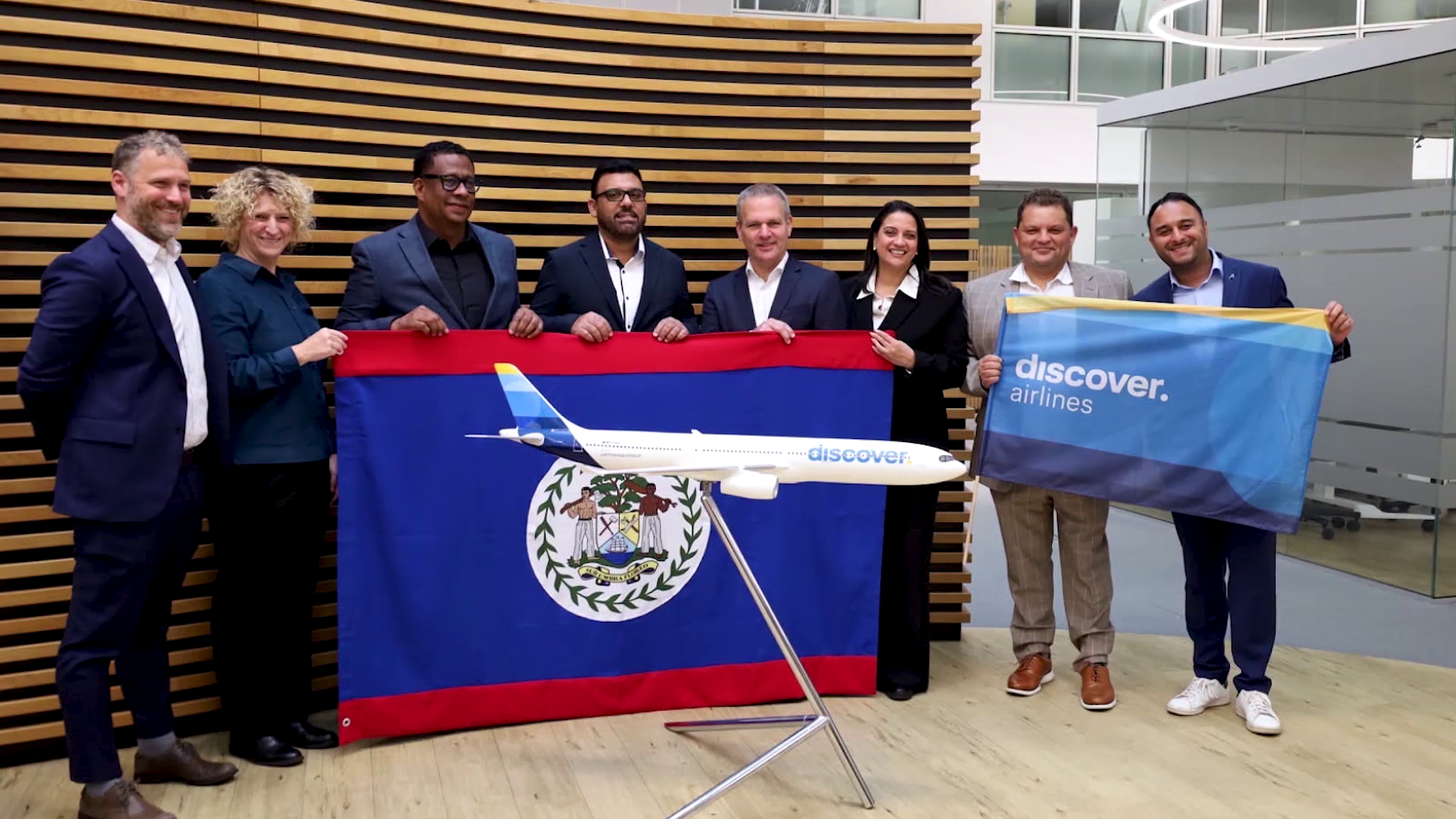
On October 26, 2026, Belize’s Ministry of Tourism announced a $2 million investment package to lock in the country’s first ever non-stop air route connecting Belize to continental Europe, a strategic move designed to boost tourism revenues and open new trade pathways for local exporters. The funding is split into two distinct allocations: $1.2 million in operational guarantees for the operating airline, and an $800,000 earmarked for targeted marketing campaigns to promote the new transatlantic service. Tourism Minister Anthony Mahler emphasized that this type of financial commitment has become standard across the global aviation and tourism sectors in the post-pandemic landscape, a sharp shift from pre-COVID years when route negotiations relied almost exclusively on marketing support without mandatory guarantee clauses. Mahler, who previously held a leadership role at the Belize Tourism Board, noted that competing nations across the Caribbean and Latin America have deployed identical incentive structures to restore and expand international flight networks after years of pandemic-era travel disruptions, and that Belize’s investment is a necessary step to remain competitive in the crowded global destination market. The new direct service, which will operate between Frankfurt, Germany and Belize, is scheduled to launch on December 16, 2027, and run through April 2028. Officials project the route will generate between $6 million and $10 million in total economic activity across Belize, delivering benefits that stretch far beyond the tourism sector. For local exporters of high-value perishable goods including seafood and citrus produce, the non-stop flight eliminates lengthy layovers that previously extended transit times, reducing spoilage, cutting logistics costs, and allowing products to reach European Union markets in far fresher condition to command higher price points. Mahler added that a large portion of the allocated marketing funding would have been deployed to promote European tourism outreach regardless, making the incremental cost of the guarantee a relatively small investment for outsized long-term returns for both the travel industry and local agricultural and seafood producers.