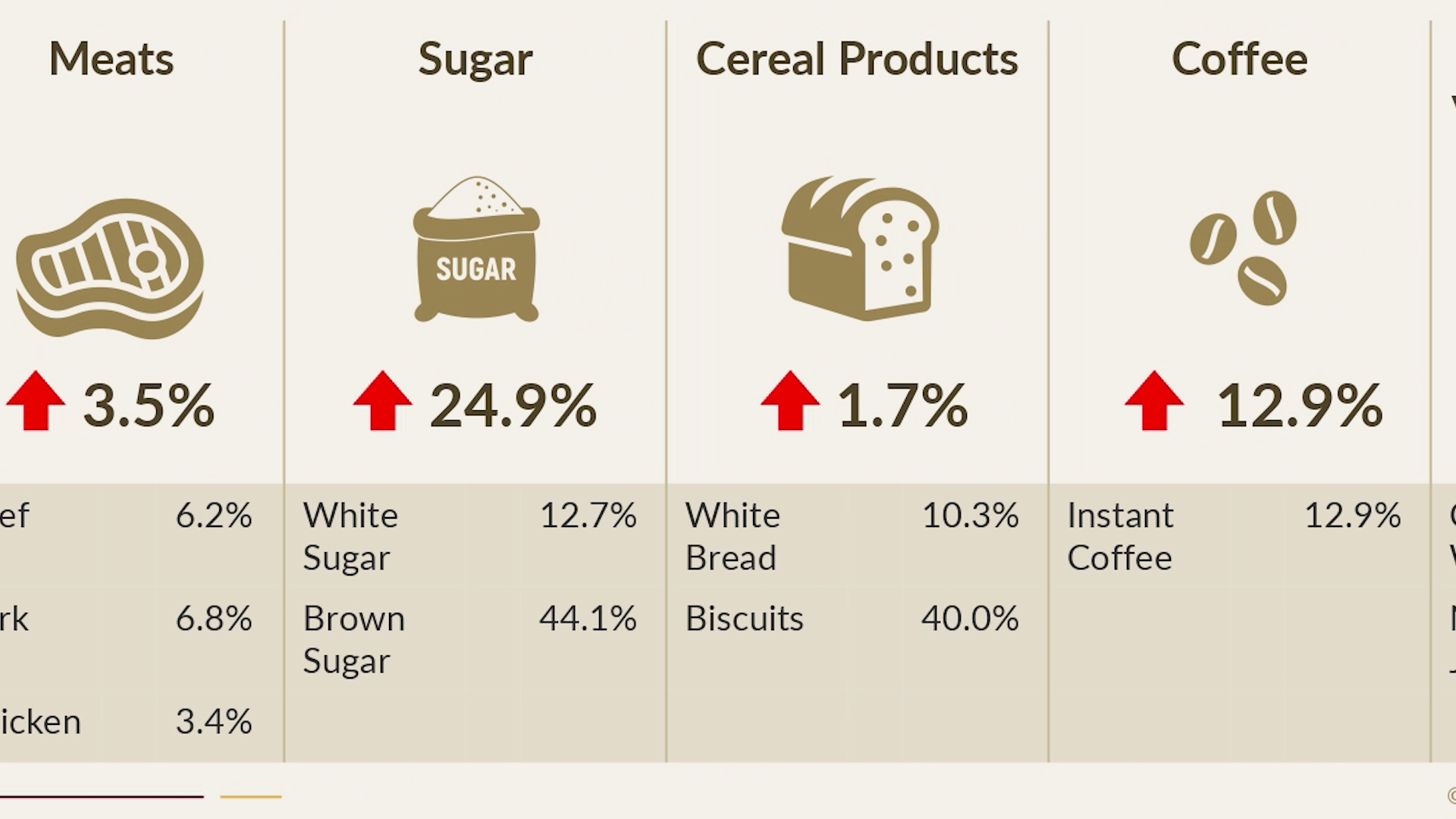
On October 26, 2026, officials confirmed that Belize’s Cabinet will convene a high-stakes meeting in the capital city of Belmopan on the following Tuesday to deliberate targeted relief measures for a mounting affordability crisis that has left ordinary households across the country grappling with steep, sustained hikes in core living expenses including fuel, public transportation, utility bills, and residential housing. For thousands of Belizean families, stretching paychecks to cover basic daily needs has shifted from a routine challenge to a persistent, stressful daily burden, as cascading external economic pressures continue to drive up prices for essential goods and services. Minister Henry Charles Usher, a sitting member of the Briceño administration’s cabinet, emphasized that there is no quick, one-size-fits-all solution to the crisis, while stressing that the government is fully attuned to the financial strain facing ordinary citizens as it works to craft balanced, sustainable policy responses. Usher noted that the administration has already revisited the cost-of-living crisis in multiple prior cabinet sessions, rolling out targeted initiatives designed to put more disposable income directly into the pockets of working households to buffer against volatile global economic conditions. Citing a recent United Nations Development Programme (UNDP) report, the minister outlined three concurrent, overlapping shocks that are disproportionately impacting small developing nations like Belize: first, a sharp surge in global energy prices tied to ongoing geopolitical tensions in the Middle East; second, severe, widespread drought driven by the El Niño climate pattern that is devastating local agricultural yields and straining national water resources; and third, persistently high inflation that has driven up borrowing costs for all forms of capital investment. “The economic principle of ceteris paribus – the assumption that all other external factors remain equal – simply does not apply right now,” Usher explained. “We are navigating three distinct, overlapping crises at once, so we need a diverse set of policy tools to respond effectively to each pressure point.” Usher confirmed that he will present targeted policy proposals during the upcoming cabinet session focused on cutting grocery costs for average citizens and identifying other administrative adjustments that reduce household financial burdens, while acknowledging that all potential relief options require careful tradeoffs. While many members of the public have called for full tax removals or broad new subsidies on high-cost essential goods, Usher warned that unconstrained implementation of such measures could siphon critical funding away from other high-priority public programs that serve vulnerable communities. When directly asked by reporters if he would support a cut to government ministers’ personal allowances as one possible cost-saving measure to fund public relief, Usher stated unreservedly that he had no objection to such a policy, noting that the proposal had already been raised in prior internal discussions and that he would fully back any final cabinet decision to that effect. Pushed back on public criticism that the Briceño administration has been “tone-deaf” to the severity of the affordability crisis, Usher pushed back firmly against that assessment, asserting that the government has maintained consistent, ongoing engagement with community needs to craft responsive support frameworks. The original reporting is adapted from a live transcript of a local evening television newscast, where any segments originally delivered in Kriol were transcribed using a standardized, official spelling system for public accessibility.