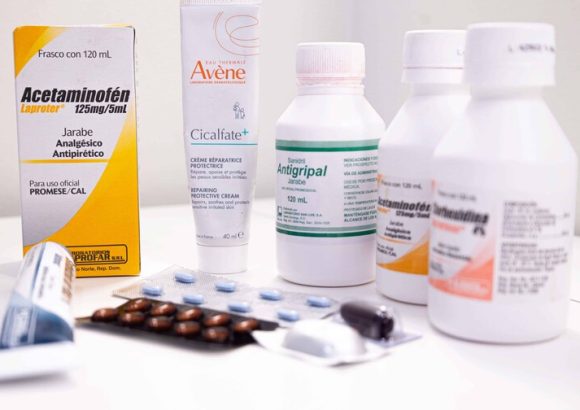
A striking, everyday reality plays out across pharmacies in the Dominican Republic: three patients with identical health conditions, holding identical prescriptions for drugs with the exact same therapeutic active ingredient, can end up paying drastically different out-of-pocket costs depending on which retail outlet they visit and which pharmaceutical brand’s formulation they select. This pricing variance is fully legal under the nation’s constitutional framework, which enshrines freedom of enterprise and open market competition, granting commercial pharmacy operators full autonomy to set disparate price points for identical products without facing regulatory penalty. Despite being legally permitted, the widespread uneven pricing structure has sparked growing concern among local patients, many of whom are now forced to earmark an increasingly large share of their limited household income to cover essential pharmaceutical needs. Data aggregated from the public pharmacy price tracking platform Farmacias.do, which compiled reference pricing across 26 common medication SKUs, reveals extreme gaps across nearly every category of widely used over-the-counter and prescription drug. For paracetamol (also known internationally as acetaminophen), a staple pain and fever reducer, 750mg unit prices span from as low as 9.04 pesos for Calox’s formulation, to 12 pesos for the equivalent product from Ibero Fármacos Genéricos, all the way up to 19.65 pesos for the version marketed by MK Laboratories. The gaps are even more pronounced for other active ingredients: 500mg units of the non-steroidal anti-inflammatory mefenamic acid cost 20.75 pesos from MK, but jump to 47.15 pesos for the Colin branded equivalent. 25mg dexketoprofen tablets, another pain relief formulation, show an even starker range, running from 31.98 pesos for Mamey Pharma’s offering, up to 90.98 pesos for Dextrium’s version, a nearly 200% price difference for the same milligram dosage. Other widely prescribed medications follow the same pattern: 500mg amoxicillin antibiotic units start at just 6.06 pesos for Caplin’s formulation, but climb as high as 17.47 pesos for LAM’s equivalent product. 20mg omeprazole, used to manage excess stomach acid and related gastrointestinal conditions, ranges from 4.80 pesos per unit for Caplin Point’s offering to 13.32 pesos for Ibero Fármacos’s version. Even anti-allergy and anti-parasitic treatments carry uneven pricing: 10mg cetirizine allergy tablets range from 12.80 pesos to 18.36 pesos across different brands, while 400mg albendazole antiparasitic tablets cost 19.57 pesos from Colin and 23.40 pesos from Alfa Genéricos. The public Farmacias.do platform allows users to search for specific medications, filter by active ingredient or pharmaceutical lab, and sort results by ascending or descending price to compare available options, though the dataset notes all listed values are reference benchmarks, not real-time quotes, and patients are advised to confirm exact pricing, product formulation, and stock availability at their local pharmacy before purchasing, as variations in packaging or dosage form do not always guarantee full interchangeability between products.
Same prescription, different prices: why does the cost of medicines vary?