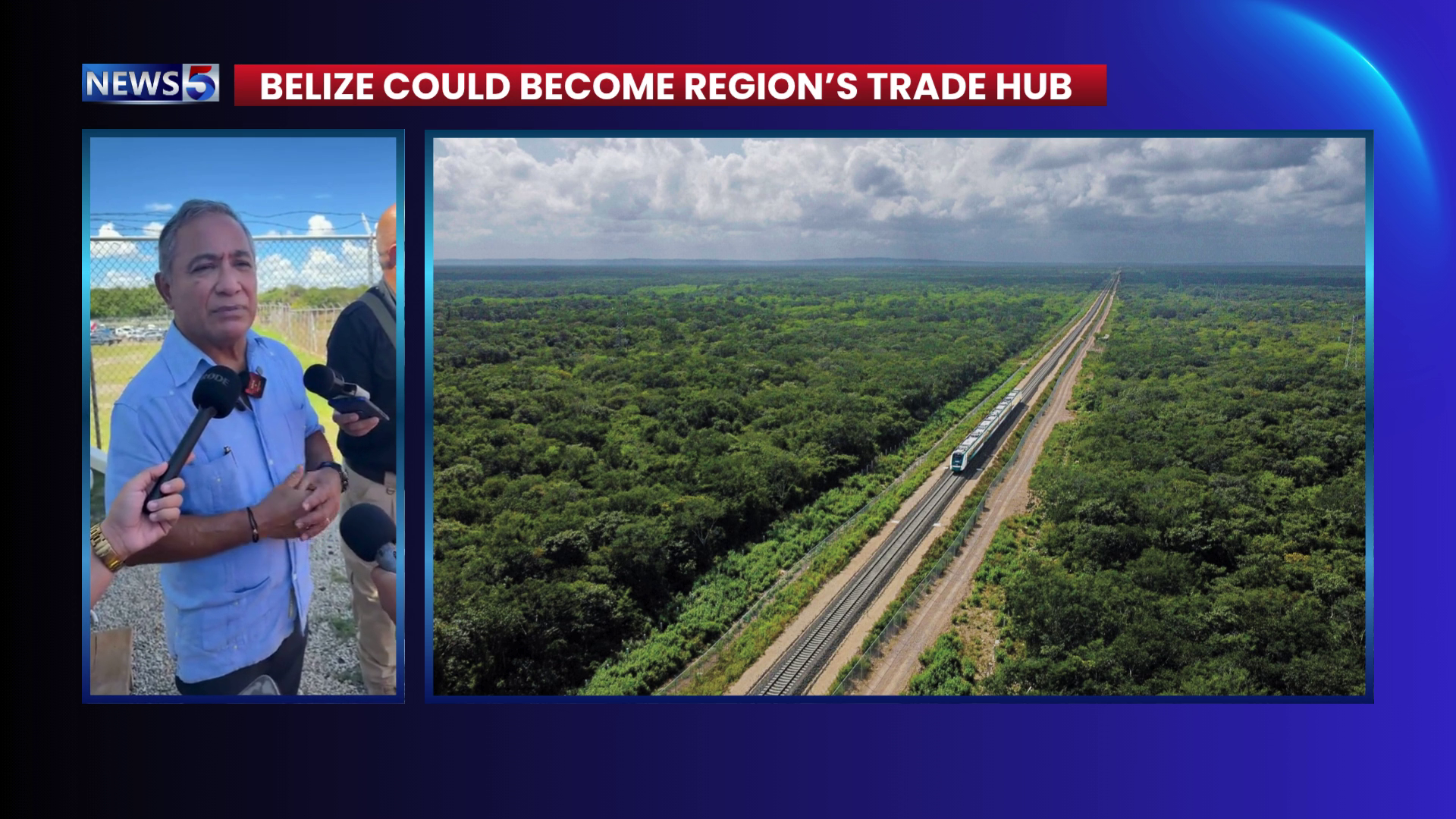
On October 23, 2026, Belize’s Prime Minister John Briceño revealed ongoing collaborative efforts with the Inter-American Development Bank (IDB) to conduct a full feasibility assessment for extending Mexico’s iconic Tren Maya railway across Belize’s territory, with a planned route running through Belize City before linking onward to neighboring Guatemala. If realized, this cross-border infrastructure network would pair the extended rail line with a newly planned modern deep-water port in Belize, addressing longstanding logistical bottlenecks that have stifled commerce across large swathes of Central America. Southern Mexican communities currently face limited, costly access to efficient port infrastructure for imported goods, while Guatemala’s sole major Atlantic coast port suffers from crippling congestion that often forces cargo vessels to wait up to three full weeks to unload their shipments. The proposed integrated rail and port system would eliminate these pain points by creating a streamlined transshipment corridor that positions Belize as the critical missing link in a high-efficiency regional trade network, far beyond the projected gains for the country’s already thriving tourism sector. Briceño acknowledged that the large-scale extension project carries a substantial upfront price tag, and that the Mexican segment of the Tren Maya has faced public scrutiny for underperforming against initial ridership and revenue targets in its early operational phase. The prime minister emphasized that the government would not rush into the high-stakes investment, noting that transformative public infrastructure projects almost never deliver immediate returns: drawing a parallel to new airport developments, he explained that such assets require years of deliberate planning, customer base building and operational optimization to reach full profitability. The upcoming IDB feasibility study will rigorously model projected volumes of tourist traffic, cross-border cargo movement, and long-term revenue streams to verify that the project delivers sufficient economic spillovers to justify the public expenditure, before Belize formally commits to moving forward with the ambitious plan.