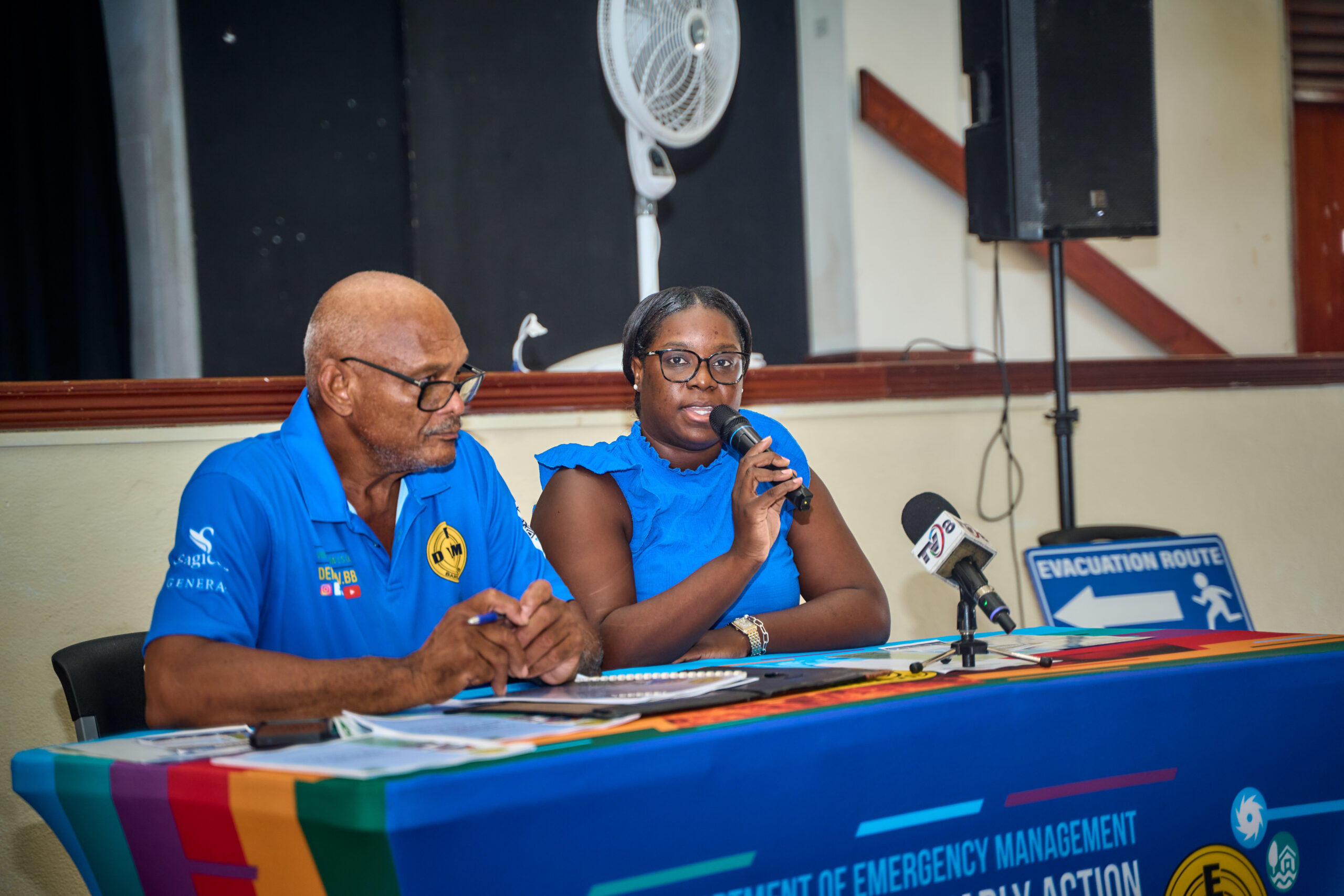
Barbados’ Department of Emergency Management (DEM) is rolling out a suite of upgraded public alert systems to fortify the island’s tsunami response capabilities, with plans for a new coastal siren network in the early developmental stages. The updates were shared by DEM consultant Chanté Saunders during a Friday stakeholder orientation session at Queen’s College School Hall, convened to gather input on the draft West Coast Tsunami and Traffic Management Plan. Saunders confirmed that emergency response teams are currently drafting a formal proposal to deploy audible warning sirens in high-risk coastal zones that face the greatest exposure in the event of a tsunami strike, a conversation that was last advanced in closed-door discussions just one day prior to the orientation event. The proposed siren infrastructure will require substantial capital investment, Saunders acknowledged, noting that administrators are actively sourcing viable funding pathways to deliver the system. The initiative forms part of a broader strategy to build redundant, multi-format alert channels that do not rely solely on digital or connected technologies, which can fail during extreme natural disasters. Saunders emphasized that while modern digital tools are a critical component of the alert ecosystem, offline, low-tech communication methods are equally vital to ensure no resident is left uninformed during a crisis. The DEM has also prioritized tailoring alert delivery to match the distinct media consumption habits of different age demographics, working in close partnership with the Barbados Meteorological Service to map out targeted outreach strategies. For older populations who primarily access public updates via traditional radio, the agency has already rolled out a fully tested radio-interruption technology that triggers automatic emergency alert broadcasts across participating stations. To date, 10 local radio outlets have signed formal memorandums of understanding with the DEM to join the national disaster risk management network, with the broadcast override hardware fully installed and validated during recent trial runs. Teams are now collaborating with the Barbados Met Service to integrate the new radio alert system into official operational workflows, with a full public launch expected in the near term. Parallel efforts are underway to evaluate the performance of tsunami awareness drills and test alerts shared across popular social media platforms, which the agency targets to reach younger, digitally native segments of the population.