# Beyond the Beaches: 10 Surprising Cultural Insights for First-Time Visitors to the Dominican Republic
When most international travelers imagine the Dominican Republic, pictures of powdery white shorelines, crystal-clear turquoise waters and all-inclusive luxury tropical resorts immediately come to mind. Tucked away on the eastern half of Hispaniola, the Caribbean island shared with Haiti, this nation holds far more depth than its postcard-perfect coastal destinations. Shaped by centuries of blending Indigenous Taíno roots, African cultural influences, and Spanish colonial history, the country has cultivated a rich, one-of-a-kind cultural identity that reveals itself to travelers willing to step outside resort boundaries. For first-time guests, venturing into local neighborhoods, striking up conversations with residents, and engaging with everyday life uncovers a side of Caribbean living that few tourists get to experience. To help travelers prepare for this deeper journey, we’ve compiled 10 surprising cultural and practical details that often catch first-time visitors off guard.
## 1. Strangers Turn Simple Greetings Into Warm, Unplanned Connections
One of the first cultural shifts visitors notice is the inherent warmth and sociability woven into daily Dominican life. It is not uncommon for a passing hello in a neighborhood market, small shop, or public park to bloom into a friendly chat about family, baseball, local news, or weekend plans. This casual, open interaction reflects how deeply personal relationships and community connection are valued across Dominican society. Dominican hospitality is legendary among travelers, and for those coming from cultures where interactions between strangers tend to be reserved and brief, this spontaneous openness can be a surprisingly delightful and memorable experience. While individual encounters vary by context, this culture of connection remains a core part of everyday life across the country.
## 2. Neighborhood Colmados Are The Heartbeat Of Local Communities
In nearly every Dominican neighborhood, the local colmado – a traditional corner store – is far more than just a place to pick up groceries and household essentials. These beloved community hubs double as informal gathering spots, where neighbors stop to swap local news, debate the latest baseball game, listen to music, and catch up with one another between daily tasks. Many colmados even offer complimentary home delivery for basic goods, allowing customers to stock up without making the trip themselves. For visitors accustomed to large, impersonal big-box supermarkets and self-service convenience stores, the close, personal bond between colmado owners and their regular customers stands out. Even as modern supermarkets, shopping malls, and digital delivery services grow in popularity, these traditional small businesses remain a core part of the country’s social fabric, proving that local commerce extends far beyond just transactions.
## 3. Music Is An Inseparable Part Of Daily Life
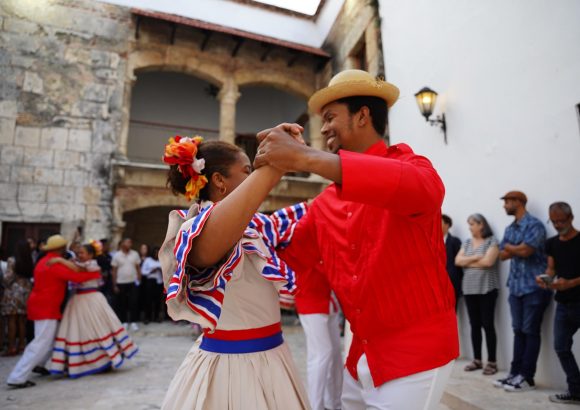
Travelers often remark on how music accompanies nearly every daily activity in the Dominican Republic, from family barbecues and neighborhood block parties to restaurant dining and small business openings. The two national staples, merengue and bachata, are so central to national identity that both have earned international recognition from UNESCO. Merengue, the upbeat, rhythmic national dance and music, was added to UNESCO’s Representative List of the Intangible Cultural Heritage of Humanity in 2016, followed by bachata’s inclusion in 2019. These iconic musical traditions have cemented the Dominican Republic’s reputation as a major influence on Caribbean and Latin American global music, with world-famous artists like Juan Luis Guerra bringing Dominican rhythms to audiences across every continent. For first-time visitors, the constant, joyful presence of music makes clear how deeply these artistic traditions are tied to celebration, community, and national pride.
## 4. Local Transportation Includes Iconic Unique Options
Getting around the Dominican Republic introduces visitors to transportation modes that many have never experienced in their home countries. The most iconic local option is the motoconcho, a motorcycle taxi that is a go-to for short trips across most urban and rural communities. Dominicans also use the term guagua to refer to shared buses and all types of local passenger transport, while carros públicos – shared private cars that run fixed routes – are another common option for getting around cities. These traditional transit services coexist with modern options including private taxis, ride-hailing apps, intercity coaches, and the Santo Domingo Metro, the country’s modern rapid transit system. While navigating these options can feel new for international travelers, understanding them offers valuable insight into how everyday residents get around. It is important for visitors to prioritize safety, choose reputable providers, and confirm access to proper safety gear before opting for motoconcho rides.
## 5. Traditional Cuisine Is Rooted In Generational Tradition
The Dominican Republic’s culinary landscape is another layer of local culture that often surprises first-time visitors. While travelers typically expect Caribbean cuisine to center on seafood and tropical fruit, everyday Dominican cooking draws on a diverse range of local ingredients and generations-old preparation methods. The most iconic national dish is la bandera dominicana – literally “the Dominican flag” – a hearty combination of white rice, beans, and meat, almost always served with a side salad or crispy fried plantains. Other beloved staples include mangú (creamy mashed green plantains), sancocho (a rich, hearty meat and vegetable stew), and tostones (crispy twice-fried green plantain slices). Plantains, rice, beans, root vegetables, and locally grown produce form the base of most everyday meals. For Dominican families, sharing a traditional home-cooked meal is far more than sustenance: it is a ritual to strengthen family bonds and preserve recipes passed down through multiple generations.
## 6. Dominican Spanish Has Unique Colloquialisms That Confound Even Fluent Speakers
Even travelers who speak fluent Spanish often find themselves puzzled by the unique vocabulary, pronunciation, and colloquialisms that define Dominican Spanish. For example, ¿Qué lo qué? is a common casual greeting, un chin means a small amount of something, and the word vaina is extremely versatile, used to refer to any object, situation, or issue depending on context. Even the common Spanish word ahorita – which translates literally to “right now” in most Spanish dialects – can have multiple different meanings depending on tone and context. Thick regional accents, fast speech, and the tendency to drop certain consonants can also make conversations tricky for visitors used to standardized Spanish. These linguistic traits are not just informal quirks: they are a core part of Dominican cultural expression and everyday communication. Learning just a few common local phrases can go a long way in helping visitors connect with locals and navigate daily interactions more smoothly.
## 7. Multi-Generational Family Gatherings Are A Central Social Ritual
Family bonds shape nearly every part of Dominican social life, from daily routines to major holiday celebrations. Weekend extended family lunches, birthday parties, holiday gatherings, and regular visits between relatives are common traditions that help families maintain close ties. It is still typical for multiple generations to live under one roof or remain actively involved in one another’s daily lives across the country. For visitors coming from societies where independent living and small, immediate-family gatherings are the norm, this emphasis on close extended family bonds can feel like a noticeable, refreshing cultural shift. Family celebrations often include extended relatives, longtime neighbors, and close family friends, reflecting how important broad social networks are to Dominican community life. While family structures have evolved over time, these traditions still shape how Dominicans mark milestones and maintain personal relationships.
## 8. Baseball Is Far More Than Just A Sport
For sports fans visiting the country, the nationwide obsession with baseball – called pelota by locals – is one of the most striking parts of Dominican daily life. The sport is deeply intertwined with national identity, community pride, and international achievement. Local professional teams including Tigres del Licey, Águilas Cibaeñas, Leones del Escogido, and Toros del Este draw legions of passionate fans during the annual Dominican winter baseball season. The country has also produced some of the most legendary players in Major League Baseball history, including Pedro Martínez, David Ortiz, and Juan Marichal, whose careers have cemented the Dominican Republic’s reputation as a global hotbed of baseball talent. From professional stadiums to small community fields, youth baseball training programs can be found in nearly every corner of the country, offering young Dominicans a path to recreation, personal growth, and connection to a long-held national tradition. Visitors who attend a local game will experience an electric atmosphere filled with music, cheering fans, and intense, good-natured local rivalries.
## 9. The Country Boasts Striking Geographic Diversity Beyond Beaches
Most first-time travelers arrive expecting nothing but tropical coastlines, swaying palm trees, and year-round hot coastal temperatures. But the Dominican Republic is home to surprisingly varied geography, including sprawling mountain ranges, fertile agricultural valleys, dense old-growth forests, rushing rivers, and cool high-altitude communities. Mountain towns like Jarabacoa and Constanza, tucked into the country’s interior highlands, offer rolling green scenery, small-scale family agriculture, and much cooler temperatures than coastal resort areas. The country is also home to Pico Duarte, the tallest peak in the entire Caribbean, located in the Cordillera Central mountain range, plus protected natural areas like Valle Nuevo National Park that host incredible biodiversity. For travelers who have only ever seen photos of Punta Cana’s beaches, discovering pine forests, alpine landscapes, and tight-knit rural mountain communities can completely reshape their understanding of what the Dominican Republic has to offer. This geographic diversity also creates endless opportunities for hiking, ecotourism, outdoor adventure, and cultural exploration far beyond the resort gates.
## 10. Traditional Festivals Showcase Centuries Of Blended Cultural Heritage
The Dominican cultural calendar is packed with regional festivals and celebrations that highlight local history, unique regional identities, and community connection. The most famous of these is the Carnival of La Vega, known for its bright, elaborate costumes, hand-carved masks, and the iconic traditional character Diablos Cojuelos. Nearly every city and town across the country hosts its own unique carnival celebrations, patron saint festivals, and cultural events, each with its own distinct local traditions. These festivities draw on the country’s layered cultural history and bring together residents of all ages. Beyond carnival, two more Dominican cultural traditions – the cultural space of the Brotherhood of the Holy Spirit of the Congos of Villa Mella and the Cocolo dancing drama tradition – are also recognized by UNESCO as important intangible cultural heritage. For respectful visitors, joining in local festivities offers a rare chance to experience parts of Dominican identity that are rarely visible in major tourist hotspots, proving that centuries-old cultural heritage remains a living, central part of modern community life.
## Exploring The Full Depth Of Dominican Culture
From the cobblestone historic streets of Santo Domingo to the mountain trails of Jarabacoa, the vibrant celebrations of La Vega to the bustling communities of Santiago and Puerto Plata, every region of the Dominican Republic offers new opportunities to experience the country’s extraordinary diversity. For first-time visitors, taking the time to learn about local customs before arrival makes everyday interactions more meaningful and fosters a deeper appreciation for the country’s rich cultural tapestry. Ultimately, the most unforgettable Dominican experiences often do not come from its famous beaches, but from the warm conversations, vibrant traditions, and small everyday moments that make this Caribbean nation one-of-a-kind.