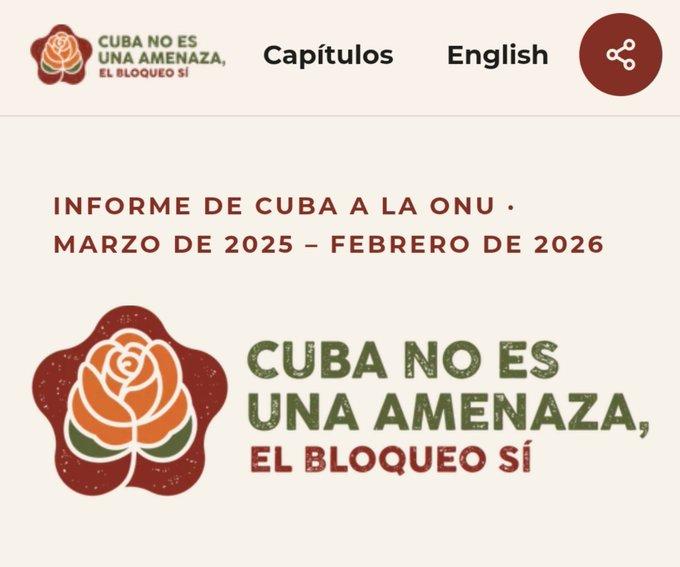
On October 22, 2026, Cuban Foreign Minister Bruno Rodríguez Parrilla announced the launch of an innovative new digital tool via his X (formerly Twitter) account, designed to bring transparency to the ongoing human and economic harm caused by the decades-long United States economic blockade against Cuba.
Built on the core premise that ‘every second counts’, the open-access online platform, hosted at cubabloqueo.com, translates aggregated data from Cuba’s official 2026 blockade impact report into tangible, easy-to-understand impacts that directly touch everyday Cuban life. Unlike static annual reports, the site connects the cumulative economic cost of the blockade to specific, on-the-ground consequences: restricted access to life-saving pharmaceutical products, chronic fuel shortages that disrupt transportation and public services, inadequate access to clean drinking water for many communities, and underfunded resources for primary and secondary schools across the island.
Officials confirmed the platform is fully bilingual, supporting both Spanish and English interfaces to reach both domestic audiences and global users. Social media integration lets visitors share individual impact metrics directly to their own social channels, and the full 2026 official blockade report is available for free download in both languages to support researchers, activists, and policymakers. During each user session, the platform automatically generates dynamic, personalized charts and short explanatory videos to help visitors contextualize the data, making abstract economic statistics easier to grasp for people without policy or research backgrounds.
Beyond data visualization, the project serves a broader public education goal: it aims to raise global awareness of how what Cuban officials describe as a ‘genocidal policy of economic strangulation’ continues to shape every aspect of daily life for ordinary Cuban citizens, 60-plus years after the blockade was first implemented.