As the government of St. Kitts and Nevis launches public consultations for the 2027 fiscal year budget, Acting Prime Minister Dr. Geoffrey Hanley has placed workforce development at the top of the policy agenda, calling for urgent action to strengthen ties between education systems, technical training programs, and fast-growing sectors of the national economy.
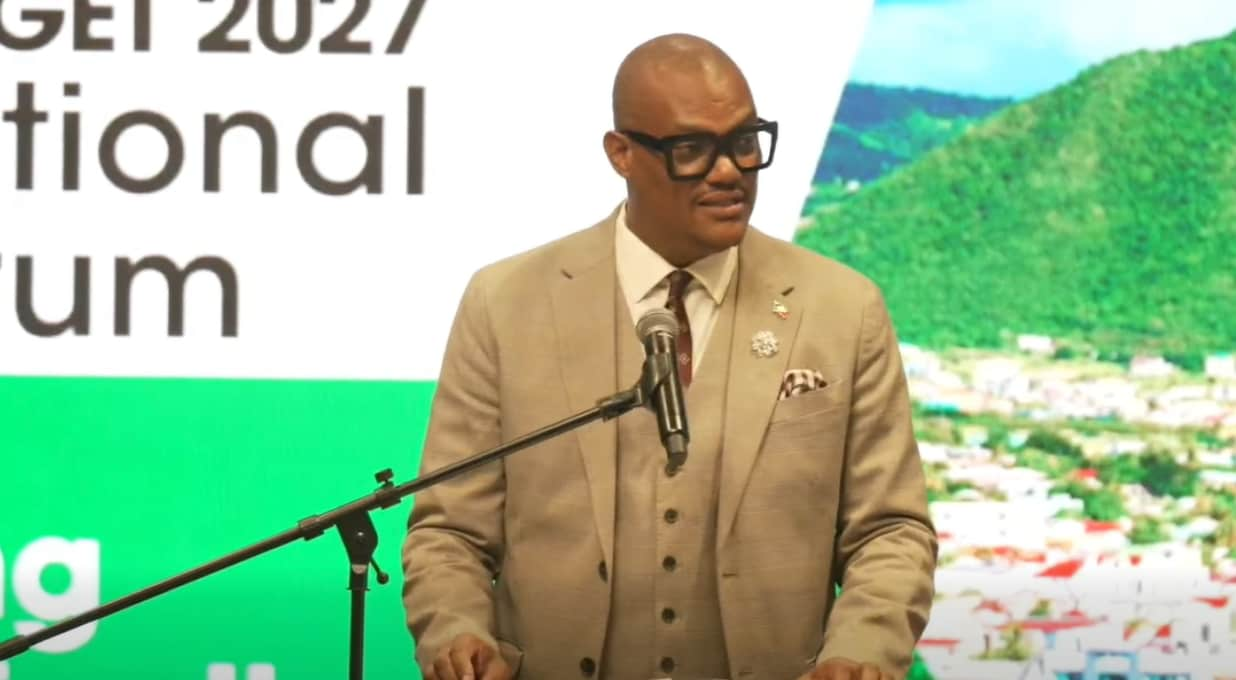
Dr. Hanley, who also serves as the nation’s Minister of Education, delivered the keynote address at the 2027 Budget National Forum held on October 20, 2026, an event convened around the central theme “Investing strategically, strengthening resilience, delivering for the people.”
In his remarks, Dr. Hanley emphasized the critical gap between youth completion of formal education and successful entry into stable, long-term employment – a transition he identified as a core priority for his administration. He outlined that high-growth sectors including construction, renewable energy, healthcare, agriculture, tourism, and digital services all face unmet demand for skilled workers, requiring early preparation for the next generation to capitalize on emerging opportunities.
“We must strengthen the connection between education, technical training, and the opportunities emerging in our economy,” Dr. Hanley stated. “Our young people should be prepared for those opportunities now.” Beyond youth workforce preparation, he also called for accessible, practical retraining pathways for working-age adults seeking to upskill or transition into new roles. He stressed that employers must be active partners in this process, collaborating to define required skills and provide hands-on experience for aspiring workers.
“One important measure of progress is whether a young person can look ahead and see a future worth working towards in St Kitts and Nevis,” he added.
Dr. Hanley also shared new official economic projections that forecast 2.6% gross domestic product (GDP) growth for St. Kitts and Nevis by the end of 2026, with average annual growth of 3.5% projected between 2027 and 2030. To meet these targets, he noted, the nation will need targeted new investment, disciplined fiscal management, productive private enterprise, and ongoing agility to adapt to shifting global economic conditions.
Breaking down growth forecasts by sector, Dr. Hanley reported that construction remains the single largest contributor to national GDP at 13.9%, and is on track to grow 5.7% in 2026. The hospitality sector, encompassing hotels and restaurants, is projected to expand 1.7% this year, supported by increased air access and targeted international marketing. Medium-term projections also point to robust average annual growth of 7.9% for agriculture and fishing through the end of the decade.
Turning to household economic pressures, Dr. Hanley acknowledged that even positive macroeconomic indicators do not immediately translate into improved quality of life for working families. He highlighted the government’s recent policy actions to address cost-of-living challenges, including a minimum wage increase and targeted household relief programs, and committed to ongoing engagement with communities to understand their evolving needs.
“We must keep listening to families about the cost of living. Our decisions to raise the minimum wage and provide household relief reflect our understanding of those pressures. We know, too, that an improvement in an economic indicator may take time to be felt around the kitchen table,” he said.
Recognizing democratic accountability as a core part of governance, Dr. Hanley affirmed that the public has every right to demand tangible results from the government ahead of the 2027 budget process, including answers about project timelines, service reliability, and the tangible benefits of public investments.
“People are entitled to expect results. They are entitled to ask when a project will be completed, whether a service will be reliable, and how an investment will improve their lives. And as a government, we accept that responsibility,” he stated.
He closed by opening the forum to public input, inviting attendees to submit specific policy proposals, identify the public services that most hinder business or community progress, and challenge the government’s policy assumptions when their on-the-ground experience points to a better approach. Dr. Hanley also extended special recognition to the Ministry of Finance for its ongoing work and leadership in developing the upcoming budget.