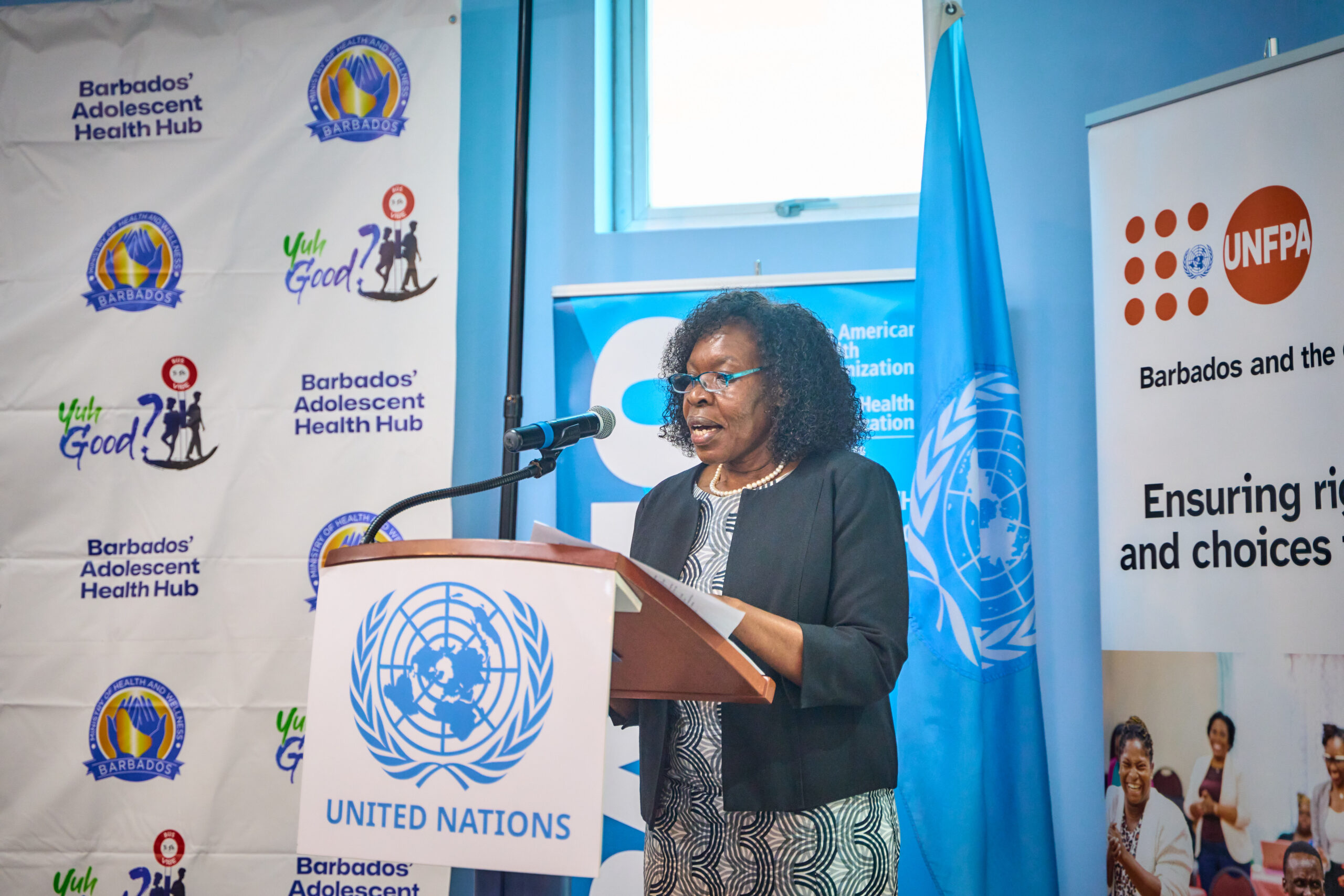
A senior United Nations leader has sounded the alarm on a critical oversight in global and local health systems, identifying disabled adolescents as one of the most marginalized groups consistently left out of health planning and accessible service delivery. Speaking at the opening of a two-day capacity-building workshop hosted by the United Nations Population Fund (UNFPA) at UN House in Hastings, Christ Church this Wednesday, Beatrice Mutali, director of UNFPA’s Caribbean Subregional Office, outlined the persistent barriers that keep young disabled people from accessing life-saving health information and essential care.
Mutali referenced a World Health Organization observation that vulnerable adolescent groups often fall through the cracks of public health systems due to systemic invisibility, social marginalization, widespread stigma, and a lack of dedicated advocates to prioritize their needs. She noted that Barbados has already demonstrated its formal commitment to equitable inclusion: the nation ratified the UN Convention on the Rights of Persons with Disabilities in 2013 and signed onto the 2030 Agenda for Sustainable Development, which centers the core promise of leaving no community behind. Despite these policy pledges, Mutali said tangible barriers remain for disabled adolescents seeking care.
Common obstacles include health facilities and transportation systems that are not designed for accessibility, a lack of critical accommodations such as sign language interpretation and easy-to-understand health materials, and harmful societal assumptions that disabled adolescents are sexually inactive and do not need sexual and reproductive health guidance. Beyond physical and informational barriers, Mutali also raised urgent concerns about widespread violations of disabled young people’s basic rights, including routine denial or bypassing of their personal consent to treatment and breaches of patient confidentiality. She emphasized that health services must be reworked to center the unique rights and individual needs of this population, rather than continuing with outdated one-size-fits-all frameworks.
Adolescents as a whole make up a significant demographic share of Barbados’ population, Mutali explained, and their needs vary widely even within the group. Young people are not a homogeneous population: those in early, mid, and late adolescence face distinct health, developmental, and support requirements that generic health services rarely address. Public health officials across the board already recognize that all adolescents in Barbados face a wide spectrum of overlapping challenges, from rising mental health conditions and non-communicable diseases to reproductive health risks including early unintended pregnancy and sexually transmitted infections. Many also grapple with deep-rooted psychosocial harms, including substance abuse, youth delinquency, and sexual violence.
Even for non-disabled adolescents, Mutali noted, care-seeking behavior is uneven: young people are far more likely to pursue treatment for common physical ailments than they are for mental health concerns or sexual and reproductive health needs. For disabled adolescents, this gap is even wider. Mutali attributed this reluctance in large part to the absence of tailored, non-judgmental care designed for disabled young people, combined with persistent stigma and discrimination that discourages young people from reaching out for support out of fear of bias or mistreatment.
The UNFPA Capacity Building Workshop on Adolescent-Friendly Health Services that Mutali opened is designed to directly address these gaps. Its core goal is to strengthen the capacity of local health systems to deliver adolescent-friendly care, with a targeted focus on ensuring all young people—including disabled adolescents—can access appropriate, respectful care in environments that uphold their rights to privacy, autonomy, and dignity.