October 21, 2026
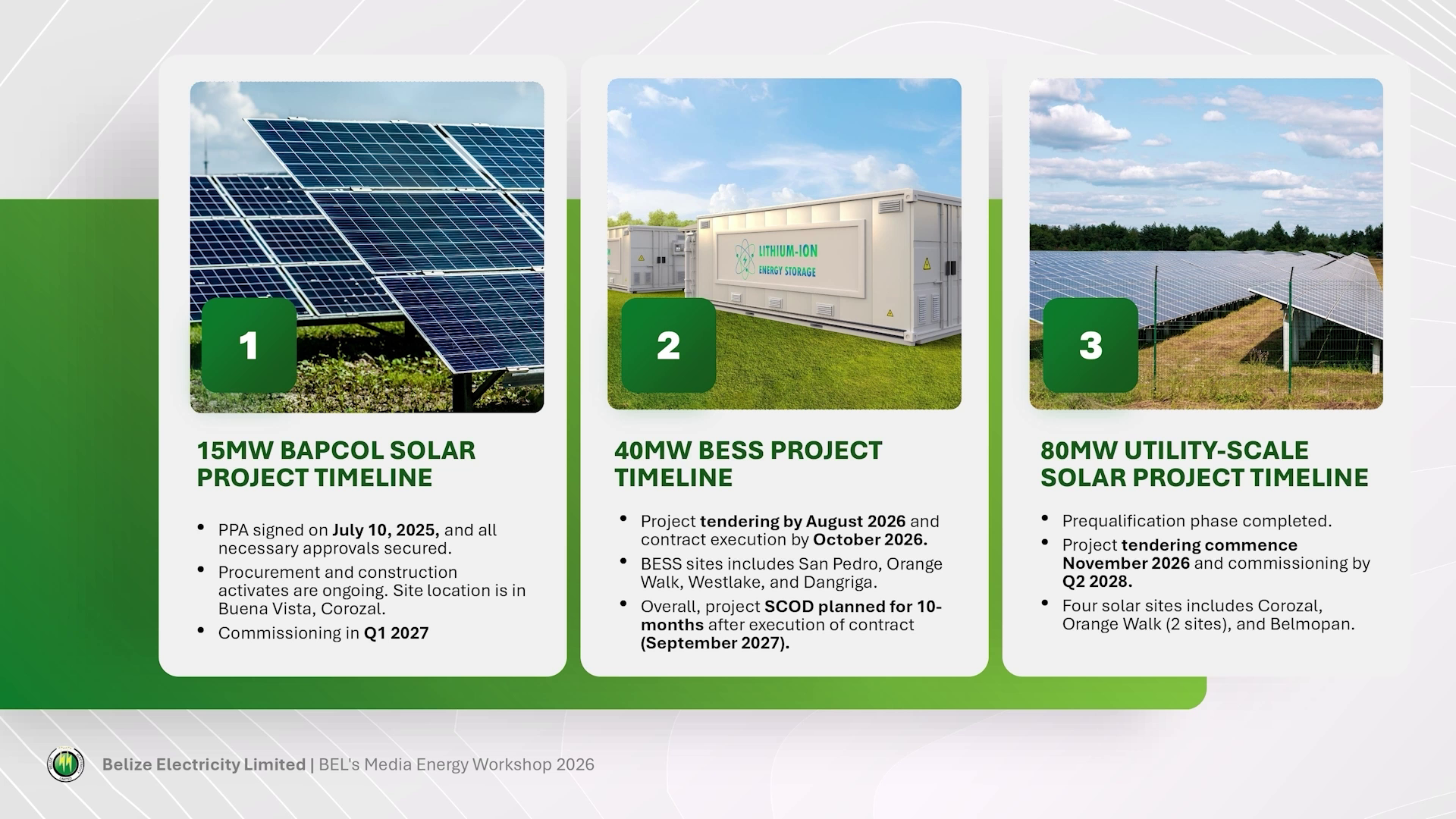
A months-long bureaucratic gridlock that stalled a transformative national energy initiative in Belize has finally been resolved, clearing the way for the construction of a 40-megawatt grid-scale battery storage facility that promises to lower energy costs and boost the country’s energy security, Prime Minister John Briceño has confirmed.
The project, backed by more than $50 million in World Bank financing, had been stuck in limbo for roughly two years over a false allegation that the proposed development site on the island of San Pedro fell within a protected iguana sanctuary. The confusion was compounded by a squatter’s claim to the land that was never verified on the ground by World Bank officials based in Washington, D.C. Briceño explained that the baseless claim, raised by an unconfirmed source, was taken at face value by remote-based bureaucrats who never traveled to Belize to assess the situation firsthand.
Briceño brokered the resolution during a recent trip to Bangkok, where he sat down directly with World Bank representatives to lay out the facts of the land dispute and correct the misinformation that had delayed the project for two years. Following the meeting, World Bank officials acknowledged their error in relying on secondhand unconfirmed information rather than conducting on-the-ground inspections, and moved to unblock the project.
“Had this project moved forward on schedule two years ago, we would not be grappling with the energy crisis our nation faces today,” Briceño told reporters. The battery facility is designed to let Belize tap into low-cost excess electricity generated by Mexico’s power grid during off-peak overnight hours, when demand south of the border dips and surplus energy is available. Storing that affordable power in the large-scale battery bank will let Belize meet domestic peak demand later without relying on more expensive domestic generation, bringing down energy costs for consumers and businesses across the country.
Beyond this cross-border energy storage project, Briceño reaffirmed the government’s ongoing commitment to achieving full national energy self-sufficiency through expanded development of domestic renewable energy resources, including utility-scale solar power and hydropower. “We believe we are on our way to that goal, and I know our citizens are as eager as we are to see this transition move as quickly as possible,” he added. With the land dispute now fully resolved, project leaders are preparing to launch construction of the battery facility in the coming months.