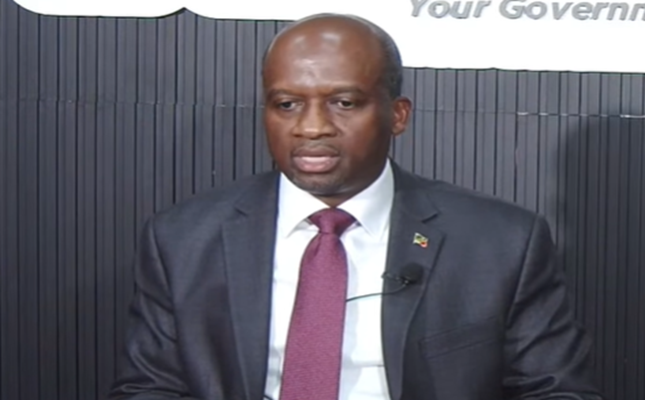
BASSETERRE, St Kitts — Even as regional investment immigration programs and the broader global economy navigate ongoing challenges, the St Kitts and Nevis Citizenship by Investment (CBI) Programme holds its position of strength, according to Calvin St Juste, Chair of the island nation’s Citizenship by Investment Unit (CIU).
In a recent appearance on the government’s public affairs show *InFocus*, St Juste outlined that sweeping policy reforms implemented over the past two years were crafted to reinforce the program’s long-term sustainability, even accepting near-term tradeoffs including a temporary dip in applications at lower investment tiers and an immediate reduction in projected government revenue. One of the most impactful changes was an increase in the minimum investment threshold to $250,000 US.
St Juste acknowledged that retaining a lower investment barrier would likely draw more applicants and boost short-term income for the government. Instead, he explained, the administration made a deliberate choice to prioritize the program’s long-term viability and its standing with international partners over quick gains.
“If the minimum investment amount had stayed significantly lower, we would have seen more applicants enter the program and that would have translated directly to higher immediate revenue,” St Juste noted. “But we recognized that the program needed structural changes to thrive for decades to come, so we made the call to raise the bar. We knew going in that raising the minimum would reduce the number of applicants at that price point, but our focus was never on the short term — it was on building something that lasts.”
The CIU chair argued that the reforms have already paid dividends by protecting the program’s reputation among global stakeholders, pointing specifically to the unbroken travel privileges that St Kitts and Nevis passport holders continue to enjoy. Citizens still benefit from visa-free access to the United Kingdom and all member states of the European Union, and the program maintains a positive track record for applicants seeking United States visas.
“What I can say unequivocally is that the St Kitts and Nevis CBI Programme is the only Caribbean program that has not faced any negative pushback or repercussions from our international partners,” St Juste added.
He went on to explain that raising the investment threshold was also designed to attract applicants committed to upholding the program’s integrity, reducing the risk of bad actors that could erode public trust and harm the reputation of all citizens. Government regulators want all passport holders to travel without the added stress of heightened scrutiny simply because of concerns over the origins of their citizenship.
“There’s a natural apprehension when you land in a foreign country and go through immigration and customs — everyone feels that,” St Juste said. “We wanted to make sure that every citizen can walk through those lines with confidence, knowing they won’t be pulled aside for extra questioning because of some red flag associated with their country’s citizenship program. That peace of mind matters more than any short-term revenue gain.”
St Juste confirmed that the government fully anticipated and accepted the near-term impact on revenue when it approved the reforms, framing the choice as a clear tradeoff between immediate gains and long-term security and prosperity. He also highlighted the program’s leading performance in the most recent global CBI Index, where St Kitts and Nevis claimed the top spot among five Caribbean CBI programs assessed this year — marking the sixth time the nation has earned the first-place ranking.
Another key milestone cited by St Juste was the removal of a long-standing advisory issued by the U.S. Financial Crimes Enforcement Network (FinCEN) back in 2014. He said this regulatory development has significantly reinforced international confidence in the transparency and integrity of the St Kitts and Nevis program.
When discussing the program’s economic impact, St Juste pushed back on common narratives that frame CBI revenue solely as inflows to the government’s coffers, noting that official revenue figures often fail to capture the full scope of public benefit generated by program investments. Most published statistics focus exclusively on cash deposits into the government’s Consolidated Fund, but a large share of program investments are directed to approved public-facing projects that deliver direct value to local residents.
Through the government’s Public Benefit Options framework, investors can direct their funds to support vetted infrastructure and community projects instead of contributing entirely to general government revenue, easing the burden on public finances and reducing the need for future tax increases. St Juste pointed to the complete reconstruction of Basseterre High School as a tangible example of how CBI investments are channeled into public infrastructure that improves daily life for St Kitts and Nevis residents.
“This project is proof that our reforms are delivering on their promise: we’re not just building revenue for the government, we’re building a better quality of life for our citizens, today and for generations to come,” St Juste added.