As the Bahamas prepares to welcome King Charles III for an upcoming royal visit next week, the trip has reignited long-simmering regional tensions over Britain’s legacy of colonial enslavement, spurring open opposition from senior local figures and planned activist protests demanding reparatory justice.
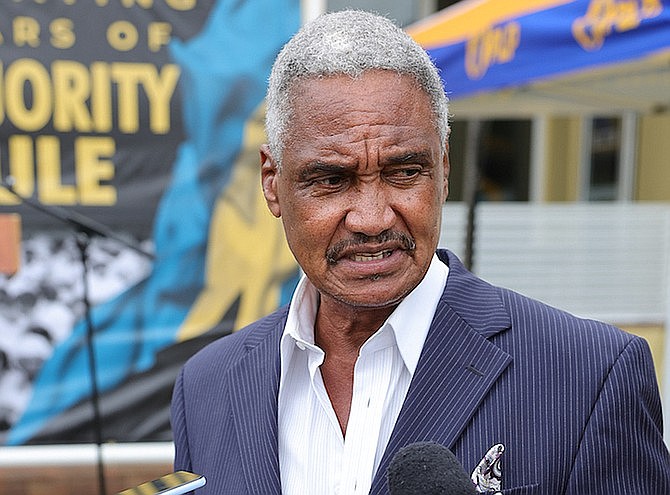
Leslie Miller, a former Bahamian Cabinet minister, has made his stance unequivocal: he will boycott every official event connected to the monarch during the visit, citing Britain’s persistent refusal to issue a formal apology for its role in the transatlantic slave trade. Speaking on the sidelines of the 2026 Diplomatic Week opening, Miller made clear his rejection of the royal visit, stating, “I don’t give a damn about the King. I will attend no function with the King. My only king is God and my Saviour.” He went on to question the purpose of the trip, challenging why Charles would travel to the Caribbean nation without addressing the harms of colonialism. “What is the man coming here for?” Miller asked. “Is he coming to apologise for the enslavement of African people by the British, or is he coming to deliver reparations for the atrocities our ancestors endured? If he is not coming to do either of those things, his presence or absence makes no difference to me.”
Miller emphasized that his position does not stem from alignment with any specific activist group, instead saying it reflects the widespread views of ordinary Black Bahamians. “I am not a Rastafarian; that community stands on its own advocacy,” he explained. “I am just a Bahamian, speaking for the average working Bahamian — that is who I represent, no one else.”
Miller’s public boycott is not an isolated stance: a Rastafari organization, the Ethiopia Africa Black International Congress (EABIC) led by Royal Ambassador High Priest Richmond McKinney, is planning a public rally during the royal visit to deliver a formal petition directly to King Charles. The document outlines four core demands: a formal state apology from Britain for slavery and colonialism, tangible reparatory compensation, support for voluntary African repatriation for descendants of enslaved people, and greater political sovereignty from the United Kingdom. The petition also calls for lasting structural reforms to redress the intergenerational harms of centuries of colonial rule, as well as the establishment of a formal ongoing dialogue between the group and British diplomatic institutions.
McKinney noted that the Rastafari community has fought for reparations and Caribbean self-determination for decades, arguing that The Bahamas cannot truly call itself an independent nation while it retains constitutional ties to the British monarchy. The EABIC’s position aligns with a growing regional movement: the group points to Barbados’ 2021 transition to a republican government that removed the British monarch as head of state, and Jamaica’s ongoing efforts to cut formal constitutional ties to the crown, as examples of the broader shift toward full sovereignty across the Caribbean.
The planned protests and public opposition come alongside renewed pressure from national advocacy bodies: The Bahamas National Reparations Committee recently issued a statement arguing that the Royal Family should not visit the country “empty-handed,” repeating demands for a formal apology for slavery and colonial rule, and renewing its call for The Bahamas to become a republic. The EABIC stresses that the 19th century abolition of slavery alone did not undo the deep damage of generations of forced labour, violent family separation, forced displacement, and systemic exploitation. Its petition goes far beyond symbolic gestures, calling for concrete financial compensation, structural policy changes, and practical support for people of African descent who wish to repatriate to their ancestral homelands.