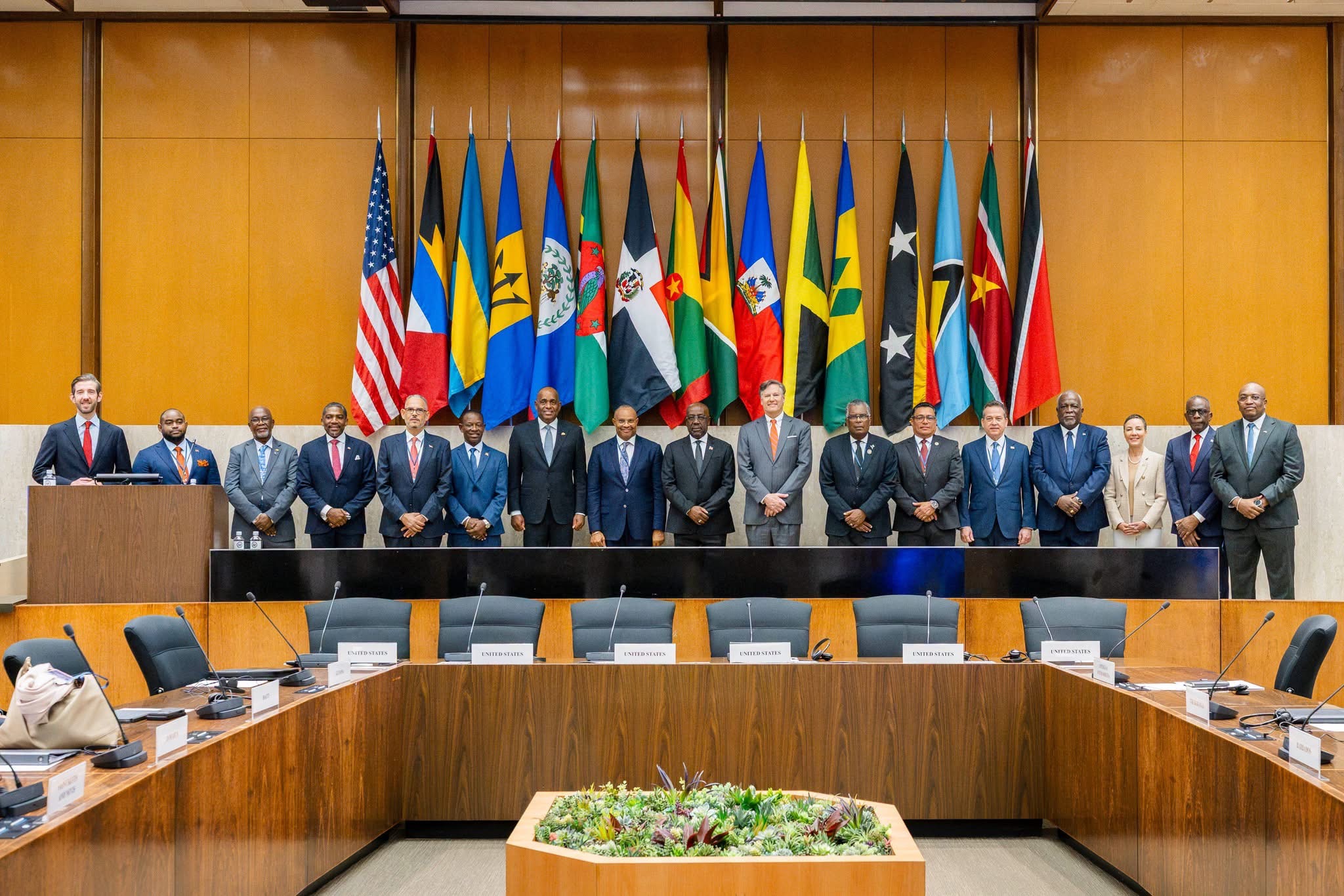
In a significant development for regional security cooperation, Antigua and Barbuda has taken a seat at the table for high-level security talks between the United States and Caribbean nations, as the Biden administration announced a sweeping package of $340 million in new regional initiatives aimed at addressing shared security and development challenges. The talks, which bring together senior officials from Washington and multiple Caribbean governments, focus on a range of pressing issues that have long destabilized the region: transnational organized crime, drug trafficking, irregular migration, and maritime security threats that impact the economic stability of small island nations across the Caribbean. The inclusion of Antigua and Barbuda in the formal dialogue framework underscores the island nation’s growing role in advancing collective security across the Eastern Caribbean, according to senior diplomatic sources familiar with the negotiations. The $340 million in new U.S. funding allocations targets multiple priority areas, with a large portion earmarked for training and equipment for local law enforcement agencies, enhanced border control infrastructure, and capacity building for coastal monitoring operations that help intercept illicit cargo before it reaches Caribbean shores. Additional funding will go toward community-based programs that address the root causes of crime, including youth job training and economic development projects that create alternative livelihoods for populations vulnerable to recruitment by criminal networks. U.S. officials emphasized that the new initiatives are built on years of existing partnership with Caribbean nations, designed to be responsive to the specific security needs identified by regional leaders rather than imposed from outside. For Antigua and Barbuda, participation in the talks opens new doors for bilateral support to strengthen its own security capacity, while also giving the small island nation a stronger voice in shaping regional security strategies that align with its national interests. Regional leaders have welcomed the new funding and expanded dialogue, noting that transnational security threats do not respect national borders, and coordinated action between the U.S. and Caribbean states is the only effective way to counter growing criminal activity that has strained public resources across the region. Many observers point out that the deepening security cooperation also reflects broader geopolitical shifts in the Caribbean, as the U.S. looks to strengthen its long-standing alliances with small island nations in the face of growing competing influences in the region. The talks are expected to conclude with a joint statement outlining concrete next steps for implementing the new initiatives, with regular follow-up meetings scheduled to track progress and adjust programming based on on-the-ground results.
Antigua and Barbuda joins U.S.-Caribbean security talks as Washington announces US$340 million in regional initiatives