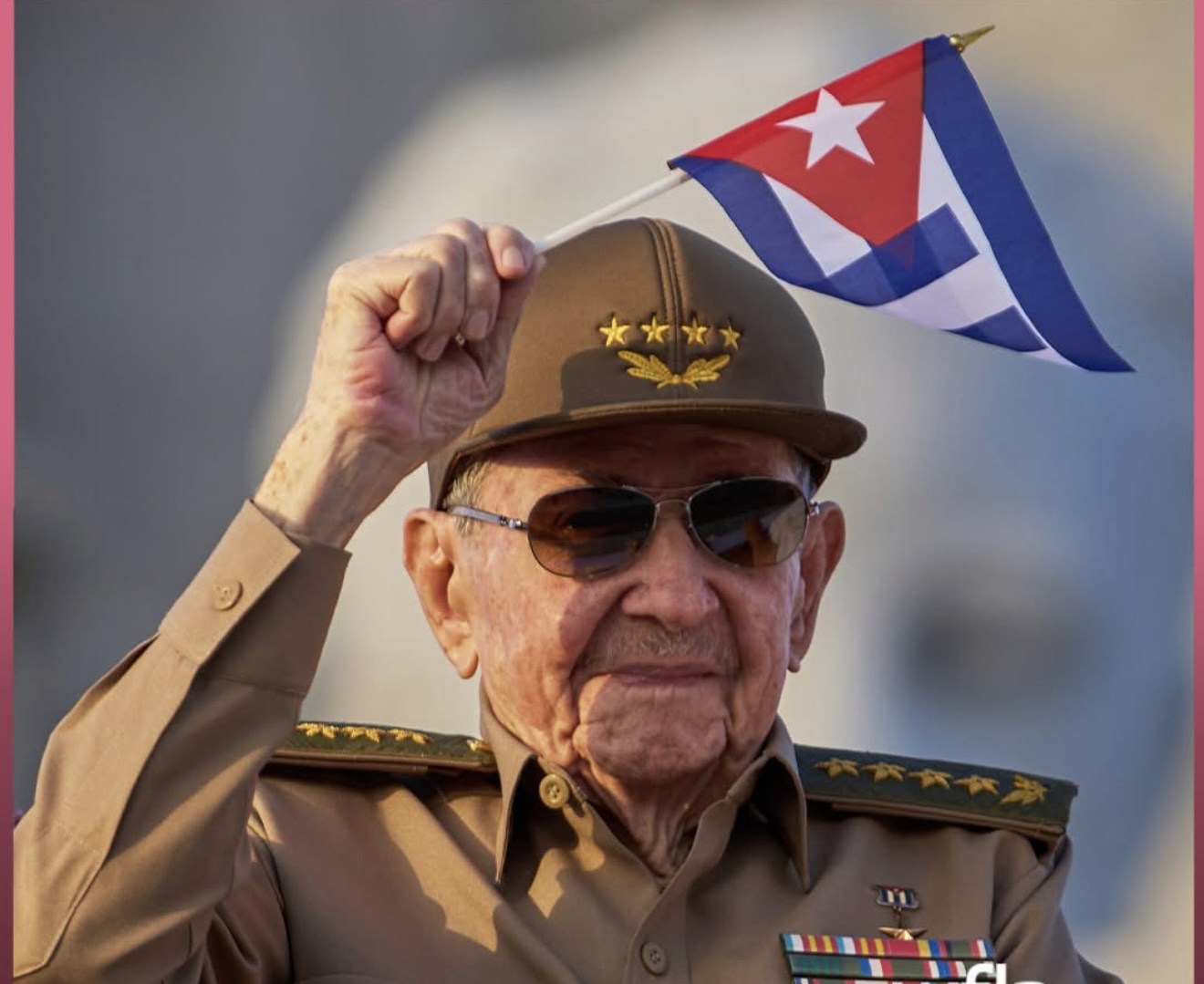
Nearly three decades after a fatal incident that claimed four lives, a Florida judge has made a groundbreaking legal move by authorizing an arrest warrant for former Cuban President Raúl Castro, charging him with conspiracy to commit first-degree murder stemming from the 1996 shooting down of two civilian aircraft.
The warrant carries the signature of Miami-Dade Circuit Chief Judge Ariana Fajardo Orshan, and it comes as the culmination of a formal probe conducted by the Florida Department of Law Enforcement into the February 24, 1996 incident. The aircraft in question were operated by Brothers to the Rescue, a Miami-founded humanitarian organization dedicated to supporting Cuban refugees attempting to leave the island nation.
Florida Attorney General James Uthmeier publicly confirmed the existence of the warrant in an announcement made on Monday, October 19, stating that the 95-year-old former Cuban leader held a central leadership role in ordering the attack that resulted in the deaths of four men: Carlos Costa, Pablo Morales, Mario de la Peña, and Armando Alejandre Jr. Investigative records outline that the sequence of events began when Cuban intelligence operatives infiltrated the Brothers to the Rescue organization operating out of Florida, and secretly transmitted detailed flight information back to government officials in Havana before the attack was carried out.
Per official accounts, Cuban fighter jets intercepted and shot down the two unarmed aircraft over international waters, resulting in the immediate deaths of all four people on board. Under the terms of the warrant, Castro faces a charge of conspiracy to commit first-degree murder, which is classified as a first-degree felony under Florida state law. The court has also issued an order that no bond would be granted if Castro is taken into custody.
This latest legal development comes five months after federal prosecutors brought separate criminal charges against Castro and five former Cuban military officials in connection with the very same incident. To date, Castro has not been taken into custody. He assumed the Cuban presidency in 2008, succeeding his older brother Fidel Castro, and stepped down from office in 2018.
Florida law enforcement officials have confirmed that they will move forward with extradition proceedings should Castro be apprehended anywhere outside the state of Florida. The ongoing investigation remains active, and investigators have noted that additional criminal charges could be filed as the case progresses.