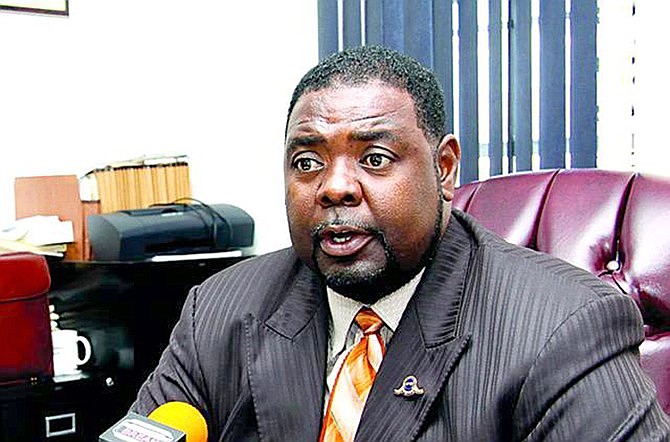
As the Bahamian government weighs sweeping changes to the country’s retirement system to rescue the financially strained National Insurance Board (NIB), a veteran labor leader has broken ranks with proposed reforms, calling for flexible retirement choices instead of a one-size-fits-all mandatory age increase and urging urgent action on a living wage to counter soaring living costs.
John Pinder, a long-serving unionist and former labour director, argues that the decision to exit the workforce should never be enforced by law. Instead, he says, it must reflect individual circumstances: a worker’s current health status, personal financial stability, and professional preferences. For some, retirement at 65 is a long-awaited milestone, but for others, particularly civil servants who often secure home mortgages only in their late 40s or early 50s, an extra two years in the workforce can mean the difference between finishing mortgage payments before exiting work and carrying debt into retirement.
The government’s current proposals, revealed last week by Public Service Minister Pia Glover-Rolle at the Exuma Business Outlook forum, would lift the minimum public service retirement age from 60 to 62 and raise the mandatory private sector retirement age from 65 to 67. The policy shift is framed as a necessary fix for NIB, which has faced growing pressure on its reserve funds for more than a decade. Since 2016, NIB’s annual expenditures have outpaced revenue from contributions and investment returns, forcing the fund to draw down reserves to cover pension payments. The organization’s 11th Actuarial Review, completed in 2018, projected that the entire fund could be depleted by 2028 if no structural reforms are implemented. Minister Glover-Rolle also noted that retired workers who re-enter the workforce while collecting full pensions have added additional strain to the system. All proposed changes will go through consultations at the National Tripartite Council, the tri-stakeholder body representing government, employer, and employee interests.
While Pinder acknowledges the urgent need to address NIB’s long-term stability, he also points to poor historical management of the fund as a core contributing factor to the current crisis. Beyond retirement age changes, he argues, the government must implement upstream preventative measures to reduce the number of Bahamians forced to rely on social security benefits early due to preventable health conditions. To that end, he is calling for expanded public access to affordable nutritious food, community exercise programs, and targeted public health lifestyle interventions to help working people maintain better long-term health and extend their working years voluntarily.
Parallel to the retirement age debate, the government is also reviewing the national minimum wage, which was last increased from $210 to $260 per week in January 2023. Pinder is calling for a bold jump to a $500 per week living wage, to help Bahamian families keep up with rapidly rising cost of living. To avoid pushing employers to pass increased labor costs onto consumers through higher prices, Pinder says the government should provide targeted support to businesses to absorb the wage adjustment. Minister Glover-Rolle confirmed that the National Tripartite Council has already launched the minimum wage review, and is considering the creation of a permanent wage-setting council to guide future incremental adjustments.