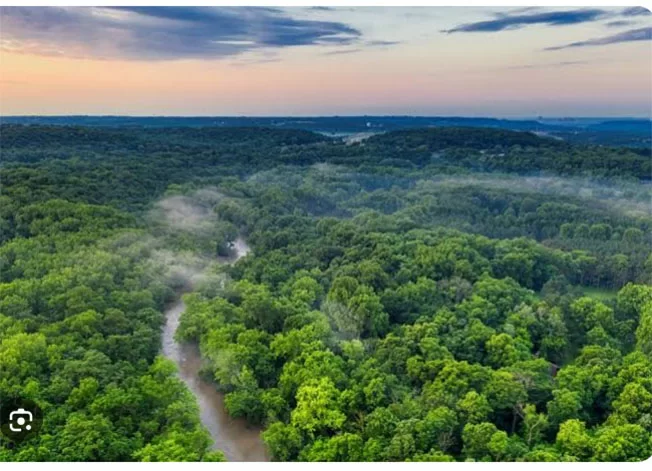
In a landmark milestone for tropical forest conservation, Brazil has recorded a nearly 42% decline in Amazon rainforest deforestation, bringing total forest loss to its lowest level since official satellite monitoring began in 1988.
New provisional data released by the Brazilian government Friday shows that 3,336 square kilometers of old-growth rainforest were cleared between August 2025 and July 2026. That marks a sharp drop from the 5,731 square kilometers lost in the previous 12-month monitoring period, and beats the previous record low of 4,571 square kilometers set in 2012. The figures, collected by Brazil’s National Institute for Space Research (INPE) via its comprehensive satellite tracking system, are set to be finalized in 2027.
The dramatic reduction caps a 75% overall drop in Amazon deforestation since President Luiz Inácio Lula da Silva returned to office in January 2023, reversing a years-long surge in forest destruction that occurred under his predecessor Jair Bolsonaro’s 2019–2022 presidency. During Bolsonaro’s term, weakened environmental regulations and enforcement opened the Amazon to widespread illegal clearing, with more than 45,000 square kilometers of rainforest lost over four years.
Upon taking office, Lula made Amazon protection a top policy priority, restoring the country’s national anti-deforestation action plan, boosting funding and legal authority for environmental enforcement agencies, and cracking down on illegal logging and unregulated land conversion for agriculture and mining. His administration’s strategy combines stricter on-the-ground inspections, harsh financial penalties for illegal clearing, restricted access to credit for environmental violators, and targeted investment in sustainable economic activities that do not require forest clearing. Officials say the new data proves that economic development and forest conservation do not have to be mutually exclusive.
Progress is not limited to the Amazon. In the Cerrado, a vast savanna biome critical to Brazil’s agricultural productivity and national water security, deforestation fell by 23.8% over the same period. Some 5,517 square kilometers of native Cerrado vegetation was cleared, down from 7,235 square kilometers in the prior year, marking the lowest level of loss since monitoring of the region began in 2001.
Still, losses remain concentrated in key frontier regions. Three states—Pará, Mato Grosso, and Amazonas—accounted for roughly three-quarters of all Amazon deforestation recorded in the latest monitoring period.
Even with the historic decline in clearing, environmental experts warn the Amazon remains under severe, multifaceted threat. Beyond full deforestation, prolonged drought, unsustainable selective logging, and a recent surge in wildfires are causing widespread damage to remaining intact forest. In the first 12 days of October alone, the state of Amazonas recorded 1,558 active fire hotspots—nearly double the total recorded in the entire month of October last year.
Climate patterns linked to El Niño have amplified ongoing drought conditions, increasing the risk that wildfires spread rapidly out of control. Smoke from these blazes has also worsened air quality and created public health risks in dozens of urban centers across the region. Experts emphasize that lower deforestation rates do not equal a secure future for the Amazon: gradual degradation of intact forest from fires and drought poses separate major threats to global biodiversity and the Amazon’s critical role as a carbon sink, which helps slow global climate change.
The release of the positive deforestation data comes at a politically sensitive moment for Brazil, which is set to hold the second round of its presidential election on October 25, with Lula facing off against Flávio Bolsonaro, son of the former president. The two candidates represent starkly different approaches to environmental policy and economic development. Lula has committed to achieving net-zero deforestation across Brazil by 2030, and has positioned Amazon protection as a cornerstone of the country’s international climate diplomacy.
By contrast, the Brazilian political right has broadly pushed back against strict environmental regulations, arguing they limit growth for key sectors including agriculture and mining. Environmental organizations warn that a change in government would lead to a rollback of enforcement and weaken protections for vulnerable biomes, meaning the election outcome will have far-reaching consequences for the future of Brazil’s forest protection agenda.
Developments in the Brazilian Amazon also carry implications for the broader Amazon basin ecosystem, including neighboring Suriname. The Amazon rainforest regulates global rainfall patterns, stores billions of tons of carbon, and supports more than 10% of the world’s known biodiversity. A successful reduction in Brazilian deforestation also sets a global precedent for international cooperation on forest conservation and climate finance, offering a model for forest-rich nations like Suriname seeking to balance economic development with natural resource protection.
Despite the historic progress, challenges remain: more than 3,300 square kilometers of Amazon rainforest were still lost over the past year, and sustaining the downward trend in deforestation while addressing growing risks from wildfires and climate change will remain an urgent priority for Brazil, regardless of the election outcome.