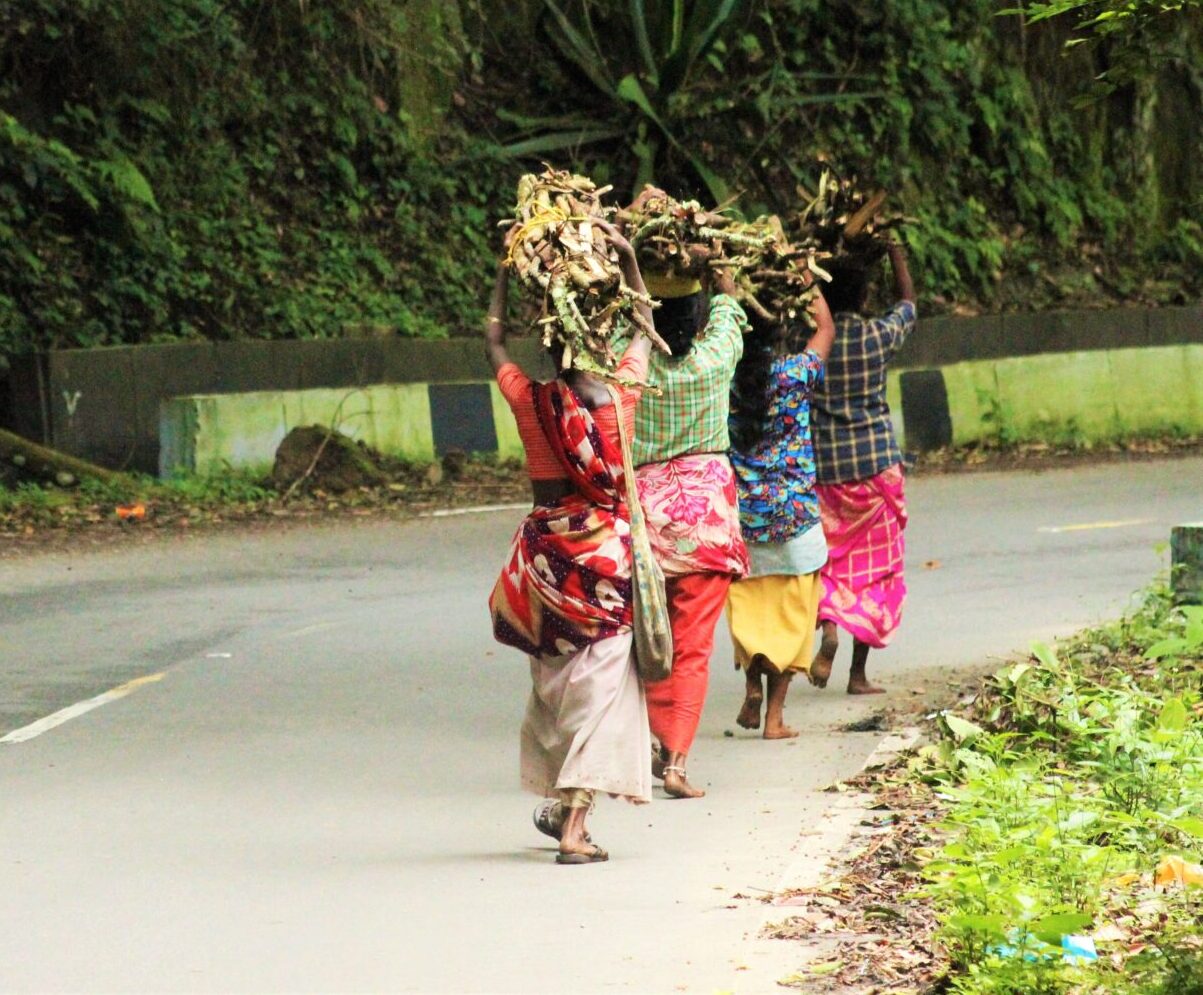
As the world marks the annual International Day of Rural Women, United Nations Secretary-General António Guterres has drawn global attention to a stark, long-overlooked global inequality: while rural women shoulder nearly 40 percent of the world’s agricultural labor and underpin global food security, they remain trapped by systemic racism, structural poverty, and entrenched discrimination.
Decades of data and on-the-ground observation confirm that rural women face far more severe systemic barriers than their male counterparts and urban women. Even though they make up almost 40% of the agricultural workforce globally, just 15% of agricultural land is legally owned by women. Beyond unequal land access, they are systematically locked out from critical resources including formal credit, modern agricultural technology, quality education, and basic healthcare. Discriminatory social norms and rigid structural barriers also strip them of decision-making power both within rural households and across broader community governance, while their most valuable work—often unpaid care and informal farm labor—frequently goes unrecognized and invisible in official economic data.
Widening gender gaps leave rural women disproportionately vulnerable to interconnected global crises: they experience higher rates of poverty, greater social exclusion, and bear the brunt of climate change impacts more than any other demographic group. They also lack consistent access to core infrastructure, from clean water and sanitation to digital connectivity, further deepening cycles of inequality. Across nearly every global gender and development indicator, with only rare exceptions, rural women lag behind both rural men and urban women.
The origins of International Day of Rural Women trace back to the 1995 Fourth World Conference on Women held in Beijing, China, where delegates first proposed a dedicated day to highlight the unique contributions and struggles of rural women. The date of October 15 was specifically selected, as it falls on the eve of World Food Day, a deliberate choice to center the direct link between rural women’s labor and global food security. The United Nations General Assembly formally established the observance in 2007, and the first official International Day of Rural Women was held the following year, in 2008. The day’s core mission is to honor the vital work of rural and Indigenous women in advancing agricultural development, strengthening food systems, and eradicating rural poverty.
This year’s theme, “Rural Women Farmers Caring for Mother Nature,” shines a spotlight on the uncelebrated environmental leadership that rural women exercise every day. From conserving native seed varieties and protecting global biodiversity to managing scarce water resources and restoring degraded farmland, rural women do more than just feed communities—they safeguard the natural resources that all global populations depend on for survival. But event organizers and advocates stress that the global narrative around rural women needs urgent rewriting: one that centers their agency rather than framing them as passive victims of inequality.
Guterres and other global development leaders emphasize that rural women must be given a seat at the table to shape agricultural policies and guide climate action funding for projects that directly impact their lives and work. Their leadership, they argue, must be reflected in binding global commitments, dedicated national budgets, and tangible on-the-ground action, not just empty rhetoric. Globally, governments have a responsibility to scale up targeted investment in rural women, dismantle the legal and social barriers that block their economic autonomy, and elevate their environmental leadership. Rights, resources, and decision-making power must finally align with the outsized contributions rural women make to global food systems, land stewardship, water conservation, and biodiversity protection.
The struggle for gender equity among rural women is a global one, shared across every region and national context. This shared experience of inequality is rooted in centuries of patriarchal cultural norms and institutionalized discrimination that have persisted into the 21st century. Even as rural women demonstrate consistent industriousness and drive, they lack formal recognition for their work and access to affordable financing for agricultural and community projects. Rural women producers continue to be locked out from critical agricultural inputs and capital, even as their labor sustains local and national economic stability.
This International Day of Rural Women is a reminder to global citizens and policymakers alike of the central role rural women play in global food systems, and the urgent need to close the persistent gender gap in agriculture. The observance also serves as an opportunity to reaffirm the alignment between global action for rural women and the United Nations Sustainable Development Goals, particularly Goal 2 (Zero Hunger) and Goal 5 (Gender Equality).
Advocates are calling on the global community to unite behind a clear agenda: elevate the work of rural women as both food providers and environmental stewards, demand their full participation in community and national decision-making, and build a future where rural women have equal access to opportunity, equal rights, and equal standing with men. Today and every day, the movement stands with the rural women who sustain our global population and protect our planet—and calls on people everywhere to join the fight for equal opportunity and equal voice.
This commentary was contributed by Wayne Campbell, an educator and social commentator focused on how development policy intersects with culture and gender equity.