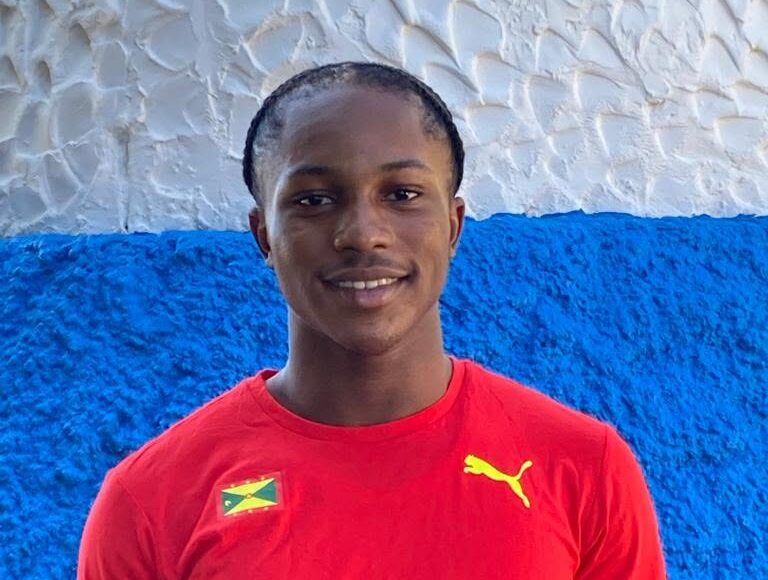
Ahead of the 2027 Pan American Games scheduled to take place in Lima, athlete leaders from every corner of the Americas have gathered in San José, Costa Rica, for the 4th Continental Athletes’ Forum, running October 12 through 14. The small Caribbean nation of Grenada is among the countries taking part, sending two decorated former competitors to advocate for local athletes and bring back critical knowledge to strengthen the country’s athletic community.
Grenada’s delegation is led by HazelAnn Regis-Buckles, chairperson of the Grenada Athletes’ Commission, a former Olympian and silver medalist from the Pan American Games. She is joined by Jenebi Benoit, the commission’s deputy chair and a medal-winning competitor at the Caribbean and Central American Swimming Championship. This three-day gathering is organized by Panam Sports, with key backing from International Olympic Solidarity, and draws athlete representatives from National Olympic Committees across the Americas region.
Jimena Saldaña, Secretary General of Panam Sports, emphasized the unique value of the forum for participating athlete leaders. The event is designed not only as a space for cross-border experience sharing, but also as a training ground to equip delegates with practical resources to strengthen their national athlete commissions back home. “With the significant support of International Olympic Solidarity, we are organising this forum, which means a great deal to our athletes,” Saldaña said. “It is a unique opportunity for our athletes to hear from interesting speakers, share their own experiences, and take back to their countries important development tools so that their commissions can continue to grow and continue to be heard within the Olympic Movement in the Americas.”
Over the course of the three-day event, participants will dive into a packed agenda focused on advancing athlete-centric initiatives across the continent. Key topics of discussion include expanding access to funding opportunities and athletic scholarships, rolling out effective safe sport programs, improving athlete representation in governing bodies, and building sustained support systems that serve athletes both during their competitive careers and after they retire from competition. The schedule also covers targeted sessions on Olympic Solidarity funding options, anti-doping education, mental health resources, general athlete welfare, financial literacy for competitors, and strategic planning for post-sport career transitions. Delegates will also benefit from insights shared by current and former elite athletes, senior sports administrators, and leading international experts, who will outline proven best practices for athlete advocacy and sustainable commission development.
For Grenada, participation in the regional forum offers more than just a seat at the table. The discussions and connections forged in San José are expected to generate valuable actionable insights that can help the country strengthen domestic athlete representation, and unlock new opportunities for local competitors seeking scholarships, specialized training support, and access to international development programs. The presence of Regis-Buckles and Benoit ensures that Grenada’s perspective is included in conversations that will shape the future of athlete-focused policy and programming across the entire Americas region. Ultimately, the lessons and tools the delegation brings home will support the ongoing work of the Grenada Athletes’ Commission to improve local athlete support systems, raise awareness of existing resources, and build clearer, more supportive pathways for athletes both during and after their competitive sporting journeys.