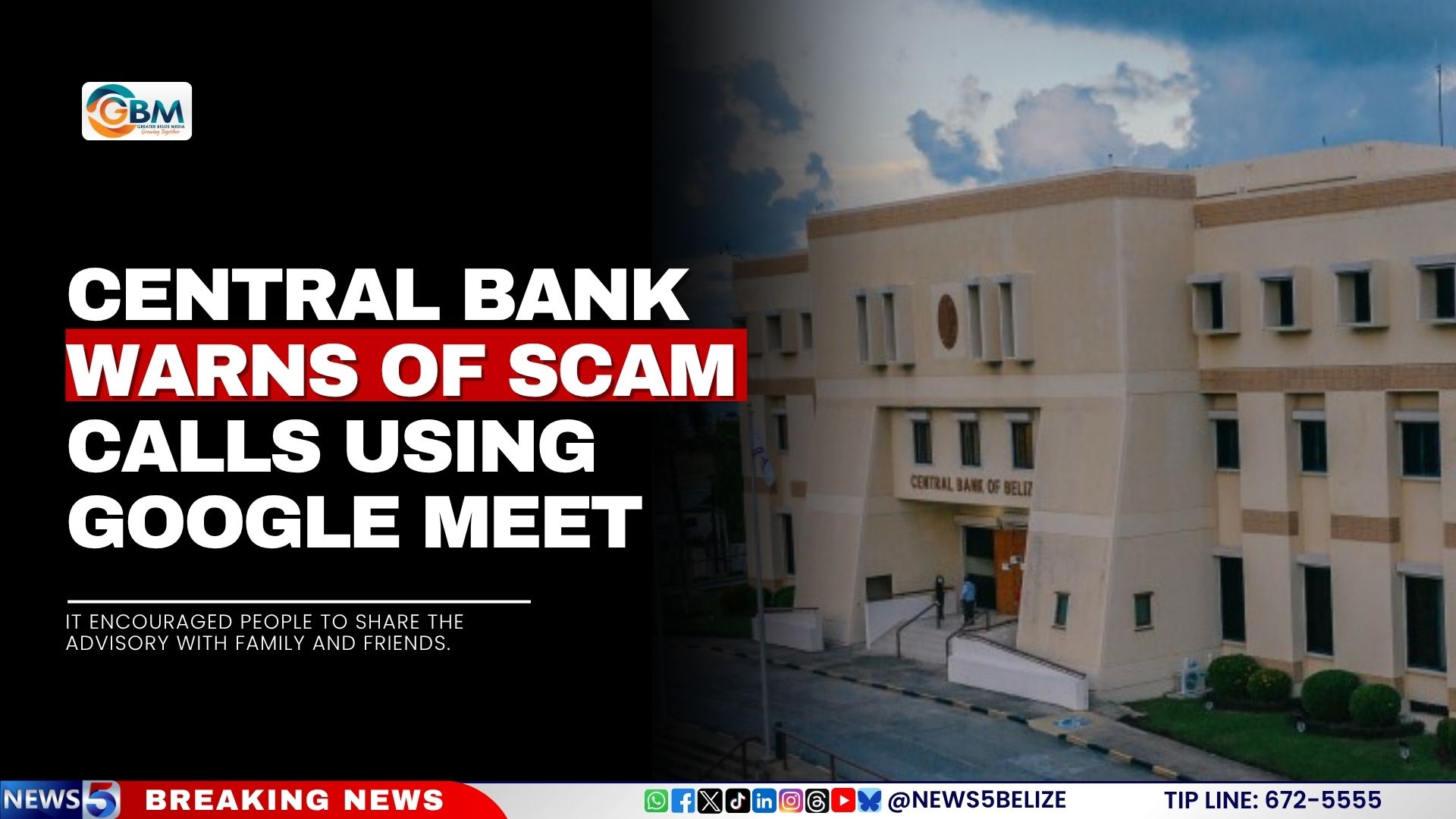
In a fresh public alert issued on October 14, 2026, the Central Bank of Belize has sounded the alarm over a growing scam operation that uses Google Meet to defraud innocent residents. The regulatory institution confirmed it has received multiple recent reports from community members about unsolicited contacts where scammers impersonate official bank representatives through the video conferencing platform.
The central bank emphasized that these communications are completely fraudulent, and members of the public should never place trust in the claims made by these unknown callers. The scam operates by building false credibility, then manipulating targets into sharing highly sensitive personal and financial data that can be used for identity theft, unauthorized fund withdrawals, and other financial crimes.
To help residents protect themselves from falling victim, the institution has outlined clear safety guidance. It warned against disclosing any private information including online banking passwords, ATM PINs, full bank account details, credit card numbers, and other sensitive financial credentials to anyone who reaches out unexpectedly. Even if a caller claims to work for the Central Bank of Belize, recipients of unsolicited contacts are advised not to continue the conversation or engage with the scammer in any way. If an individual finds themselves on a suspicious call or pre-scheduled Google Meet with an unverified party claiming bank affiliation, the central bank advises ending the interaction immediately.
A key clarification from the institution addresses a core part of the scam: the Central Bank of Belize confirms it never initiates unsolicited calls or online meetings with members of the public to request sensitive financial information, banking credentials, or personal identifying data. Any communication that makes such requests is by definition fraudulent, the bank added.
To expand the reach of this warning and protect more community members, the central bank is encouraging all residents to share this advisory with their family members, friends, and colleagues, particularly vulnerable groups like elderly residents who may be more likely to fall for such impersonation scams.