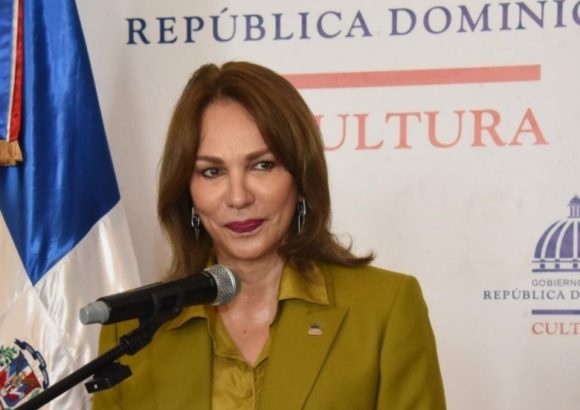
A comprehensive audit conducted by the Comptroller General of the Dominican Republic into the operations of the country’s Ministry of Culture has uncovered more than 300 million Dominican pesos (RD$) in financial and administrative discrepancies spanning the tenure of former minister Milagros Germán, from September 2021 to December 2023. The audit, which assessed every core function of the institution including budget execution, public procurement, treasury management, accounting protocols, asset tracking, inventory control and human resources administration, identified systemic weaknesses in internal governance that regulators warn could compromise institutional operations and financial accountability.
The audit graded the Ministry of Culture’s overall internal control framework at just 58.73%, with uneven performance across different governance components. While the control environment scored a strong 97.67% and information and communication processes reached a perfect 100%, critical control activities only earned a 28% score, and mandatory monitoring and evaluation mechanisms registered a 0% grade. The Comptroller General’s Office warned that these unaddressed gaps pose risks to the integrity of institutional processes, the accuracy of official financial information, and the agency’s ability to mitigate operational risks.
Additional deficiencies were found in the ministry’s accounting infrastructure: key functional modules of the existing system were disabled, and the core accounting component was vastly underutilized. This limitation restricts access to up-to-date, comprehensive financial reports and requires manual interventions to correct data discrepancies, opening further room for error. Ministry representatives confirmed they are currently reviewing proposals to replace the outdated system with a more robust alternative.
The total RD$304.8 million in identified observations breaks down into several distinct categories of concern. The largest component is RD$144.6 million in unexecuted budget allocations, followed by RD$56.3 million in disbursed financial advances for public cultural events, RD$55.6 million in discrepancies between official financial statements and the national Asset Management System, and RD$47.8 million in procurement transactions that were never logged in the official asset tracking system. The audit also flagged RD$526,756 in procurement activities that may have been illegally split to avoid competitive bidding requirements, plus RD$77,100 for an unaccounted-for government-issued tablet that auditors were unable to locate.
However, Germán has pushed back against the framing of the aggregated total as evidence of widespread financial malfeasance during her leadership. In an official statement released Tuesday, the former minister argued that the 304.8 million peso figure lumps together observations of vastly different natures, and should not be automatically read as proof of public funds lost, embezzled or misappropriated.
She specifically challenged the inclusion of the RD$144.6 million in unspent budget, noting that unused allocations remain in public coffers and do not in themselves constitute illegal spending or public losses. Germán also questioned the addition of the RD$56.3 million in advances for major cultural events including Carnival, national book fairs and seasonal festivals, pointing out that the audit’s own section on these transactions confirms the funds were properly authorized and raises no objections to their disbursement.
Germán further noted that a number of the original audit findings have already been withdrawn by the Comptroller’s Office or formally marked as corrected, including initial observations related to petty cash management, staff attendance tracking, software licensing and inventory policies. She also cited a 2024 follow-up audit that recorded a dramatic improvement in the Ministry of Culture’s internal control score, which rose to 83.32% from the 58.73% recorded during her tenure, reflecting progress in addressing governance gaps.
The former minister has called on local newspaper Acento to issue a correction and add necessary context to its initial reporting of the audit findings. She emphasized that she does not oppose transparency or scrutiny of her time in office, and supports full public disclosure of all audit results, the ministry’s official responses, final determinations from the Comptroller General, and any outstanding issues that remain to be resolved.