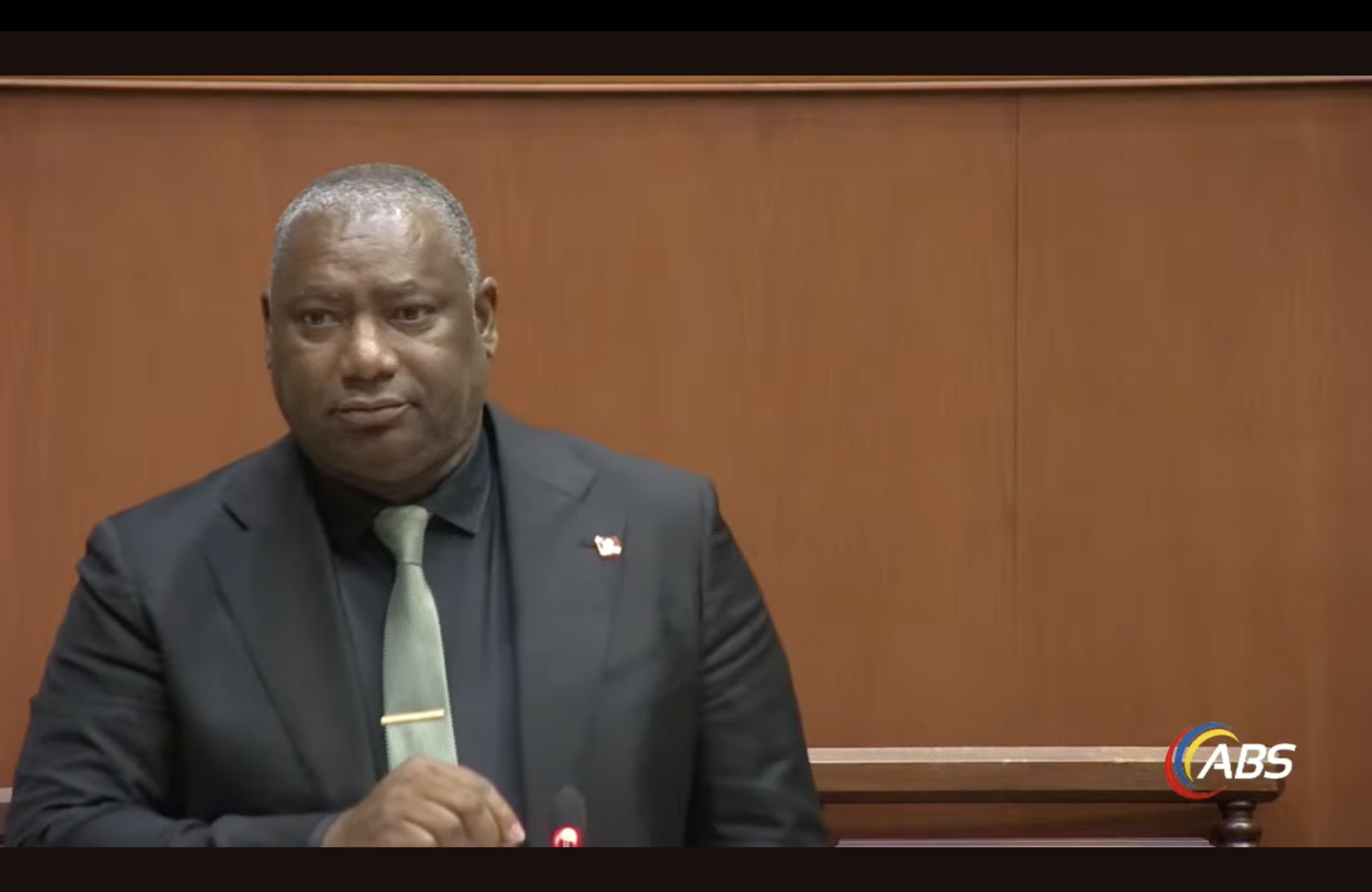
On Tuesday, Senate Minority Leader Chester Hughes, a veteran trade unionist, used the parliamentary debate over the 2026 Limitation (Amendment) Bill to launch a pointed call for systemic change to Antigua and Barbuda’s labor regulatory framework. Rejecting the incremental, piecemeal approach to adjusting labor law that the current government has favored, Hughes insisted that isolated tweaks cannot resolve the deep-seated challenges facing both workers and employers across the nation.
Hughes laid out a clear, multi-pronged vision for reform, arguing that the country cannot afford to delay bringing its entire body of labor protection rules into line with 21st century workplaces. He called on the governing administration to table a full package of coordinated reforms before parliament, including sweeping updates to the core Labour Code and a complete rewrite of outdated workers’ compensation legislation. These compensation rules, he noted, remain rooted in the nation’s historical cane-cutting economy and fail to account for the new risks and working conditions that define modern Antiguan and Barbudan employment.
The opposition leader also called out long-running delays to long-promised changes to the Labour Code, noting that draft amendments had been under consideration since before the United Progressive Party exited office, but have never advanced to a parliamentary vote. He pinned much of the blame on the National Labour Board, which he accused of repeatedly revisiting the draft language without ever bringing the amendment process to a productive conclusion.
Beyond legislative changes, Hughes emphasized that updating the law on paper would mean little without parallel upgrades to the institutional capacity of the Labour Department itself. He revealed that the agency still relies on handwritten logbooks to track workplace dispute cases, forcing staff to waste hours sifting through disorganized physical records to pull up basic case information. To fix these administrative bottlenecks, Hughes called for targeted investments in modernization: full digitalization of case management systems, adequate staffing to handle growing caseloads, and comprehensive training for department personnel to process worker complaints efficiently.
These systemic delays, Hughes explained, do more than slow down access to justice—they leave ordinary workers seeking redress for workplace injustices frustrated and disillusioned, often leading them to blame their labor unions for gridlock that is entirely outside of union control. He stressed that a full review of the entire dispute resolution process is needed, from the initial intake of complaints at the Labour Department all the way through to hearings and final rulings at the Industrial Court.
“We have to marry all the changes to make sure the system works efficiently and effectively in this country for workers,” Hughes said. While he acknowledged that organized labor and employer groups will not see eye to eye on every element of reform, he argued that Antigua and Barbuda urgently needs a modern, balanced regulatory framework that serves the needs of both sides fairly. He also made clear that he would oppose any forthcoming Labour Code amendments that cater to employer interests at the expense of workers, promising to fight the provisions both through his parliamentary role and his work as a trade union leader.