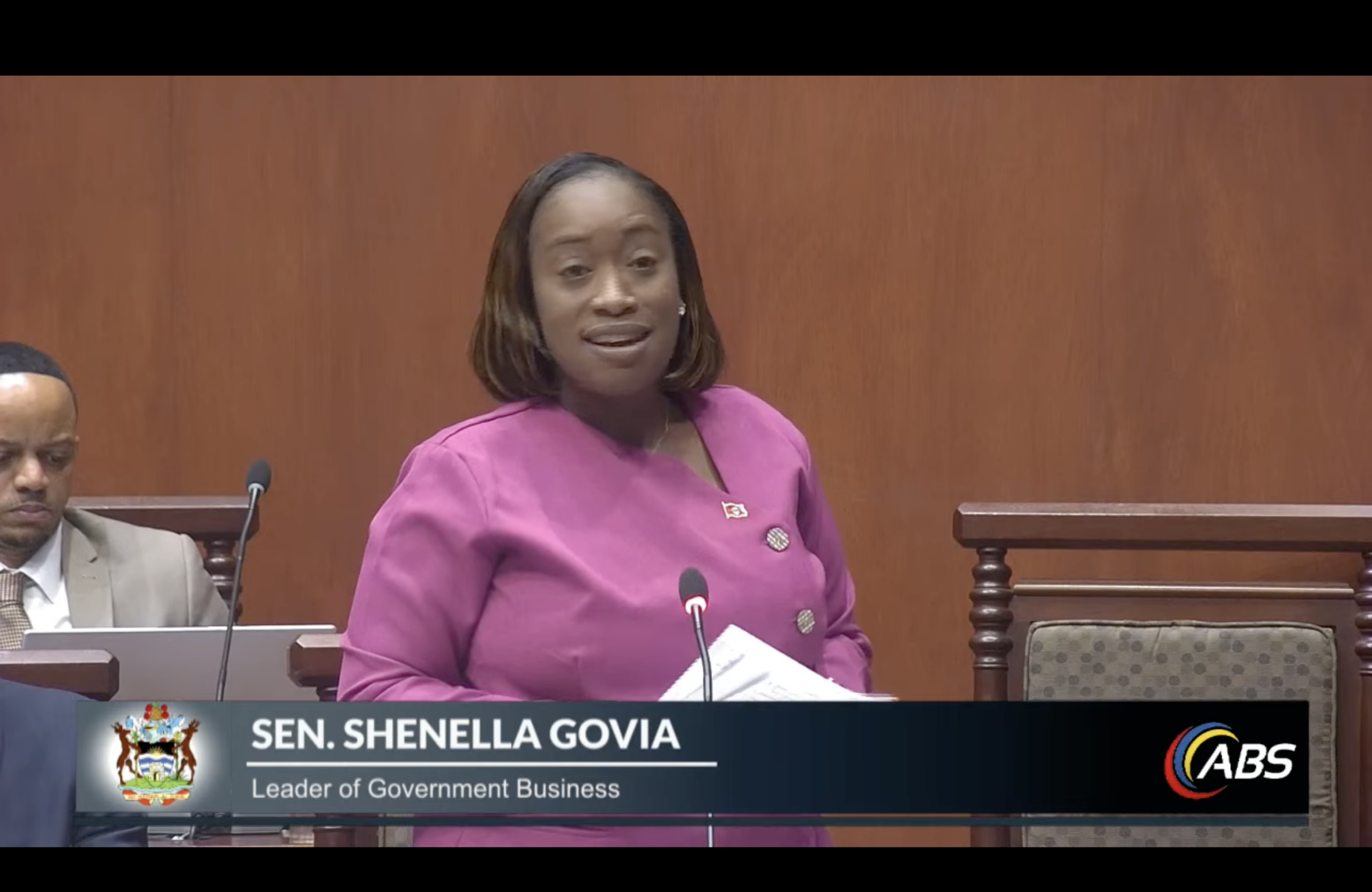
As Jamaica’s Senate debates the landmark 2026 Sexual Offences Amendment Bill, Senator Shenella Govia has emerged as a leading voice pushing for more robust safeguards for minors, while spotlighting longstanding legal inconsistencies in the age thresholds for adult rights across the country’s statute books. At the core of Govia’s intervention is a call to resolve the confusing disconnect between the general age of sexual consent and the ages at which young people gain other core adult privileges, a gap she argues leaves under-18s uniquely vulnerable to exploitation.
Under the proposed legislation, sexual intercourse between an adult and a minor under the age of 16 will be classified as a criminal offense in all circumstances, regardless of whether the minor is recorded as giving consent. The bill also includes a limited close-in-age exemption, which applies only when the accused is no more than three years older than the minor, a provision designed to avoid criminalizing consensual relationships between young people close in age while still protecting vulnerable minors.
One of the most significant expansions in the bill targets abuse in trusted family and caregiving relationships, Govia explains. Even when a young person is above the general age of consent, the legislation would still criminalize sexual relations between an adult and a minor under 18 in relationships where the adult holds a position of power or dependency. This provision explicitly covers a broad range of care relationships, including adopted children, stepchildren, foster children, godchildren, and legal wards. Adults convicted of these offenses would face the maximum penalty of life imprisonment, a harsh sentence intended to reflect the profound breach of trust involved in such abuse.
Govia emphasizes that the overarching goal of the bill is to send an unmistakeable message that sexual exploitation of children will not be tolerated, and that the lifelong trauma inflicted by abuse at the hands of trusted caregivers will be met with proportionate legal consequences. “There is simply no excuse for this kind of harm against a child,” she argues, noting that abuse by family members or trusted caregivers leaves particularly deep, lasting scars on young survivors.
Beyond updating the law for familial abuse, Govia has drawn attention to a lesser-discussed vulnerability: minors who take temporary seasonal or school holiday work to support their families or build independent life skills. She says credible reports have documented widespread cases of employers exploiting the economic vulnerability of these working children to engage in sexual abuse and exploitation, a risk that current law does not adequately address.
To address these hidden cases of abuse, Govia is calling on parents and guardians to adopt more attentive practices when children return from work placements. She shared a troubling illustrative case, in which a child’s initial report of abuse was dismissed by adults around them, and the abuse only came to light after the child gathered evidence by recording an incriminating conversation. This case, she stresses, underscores how critical it is for adults to take every disclosure from a child seriously, rather than dismissing their claims out of hand.
Govia also drew on her own childhood experience to highlight the daily risks young people face, recalling that as a schoolgirl commuting via public bus, she witnessed first-hand the unwanted sexual attention that young girls are routinely subjected to while traveling alone. She stressed that no adult can justify inappropriate behavior toward a child by pointing to the child’s appearance, perceived maturity, or clothing—such conduct is always unacceptable, regardless of context.
The senator referenced recent community input that underscores the urgency of these reforms, noting that a public town hall hosted by the Ministry of Social Transformation surfaced an overwhelming number of unaddressed sexual abuse cases. Even with widespread reports of harm, she argues, “one abused child is one too many” — a standard that demands urgent legislative action to close gaps in current protections.
Govia’s comments came during formal Senate consideration of the amendment package, which centers three core priorities: clarifying the legal framework around the age of consent, strengthening penalties and protections for abuse within dependent and care relationships, and codifying the shared responsibility of all adults to protect minors from harm. Her push for greater standardization of age thresholds for adult rights has added a new layer of policy debate to the legislation, with the senator noting the logical inconsistency of current rules that allow a young person to legally consent to sex before they are eligible to vote or get a driver’s license. While the bill addresses immediate gaps in abuse protections, Govia says she hopes it will open the door to future legislation that brings greater consistency to how the law defines the transition to adulthood across all areas of governance.