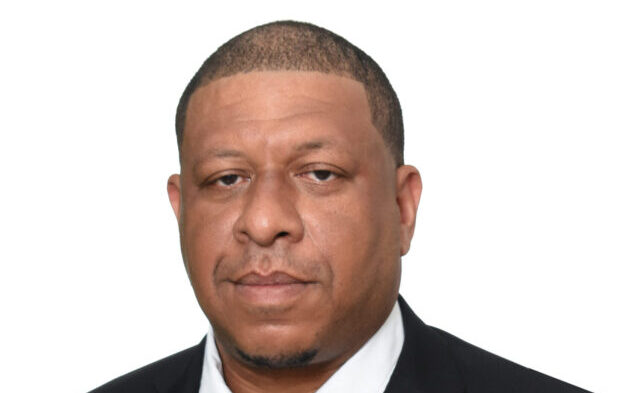
The Caribbean island nation of Dominica has reached a major milestone in its transition to clean energy, with its only electricity provider confirming that over 80 percent of its grid supply now comes from renewable sources. In remarks made during a recent public radio appearance, Dwayne Cenac, General Manager of Dominica’s Sole Electricity Company (DOMLEC), outlined the rapid progress the utility has made since integrating newly developed geothermal capacity into its energy mix.
Geothermal development on the island entered its commissioning phase back in March of this year, Cenac explained. In those early months, the new energy source contributed only a small share to the country’s total electricity consumption. But within months of full-scale integration, the addition of geothermal power paired with DOMLEC’s existing hydroelectric infrastructure has transformed the island’s energy profile.
“Since July, August, September, we are averaging over 80 percent of our electrical energy coming from renewables,” Cenac told radio listeners. This dramatic shift marks a staggering reversal from DOMLEC’s historic energy portfolio, where imported fossil fuels once accounted for 70 to 75 percent of total generation. Today, Cenac noted, fuel-based power makes up less than 20 percent of the utility’s average monthly output.
Beyond the clear environmental benefits of this transition, the shift to domestic renewable resources is delivering tangible economic relief to Dominica’s residential and commercial energy consumers. By cutting reliance on volatile imported fossil fuels, DOMLEC is now able to deliver far more stable electricity pricing for customers. While global fluctuations in fuel prices still create some minor pressure on consumer bills, Cenac emphasized that the impact is drastically reduced compared to conditions before March and in years prior.
The milestone positions Dominica as a standout example of small island developing states advancing rapid clean energy transitions, aligning with global climate goals while improving energy security for local communities.