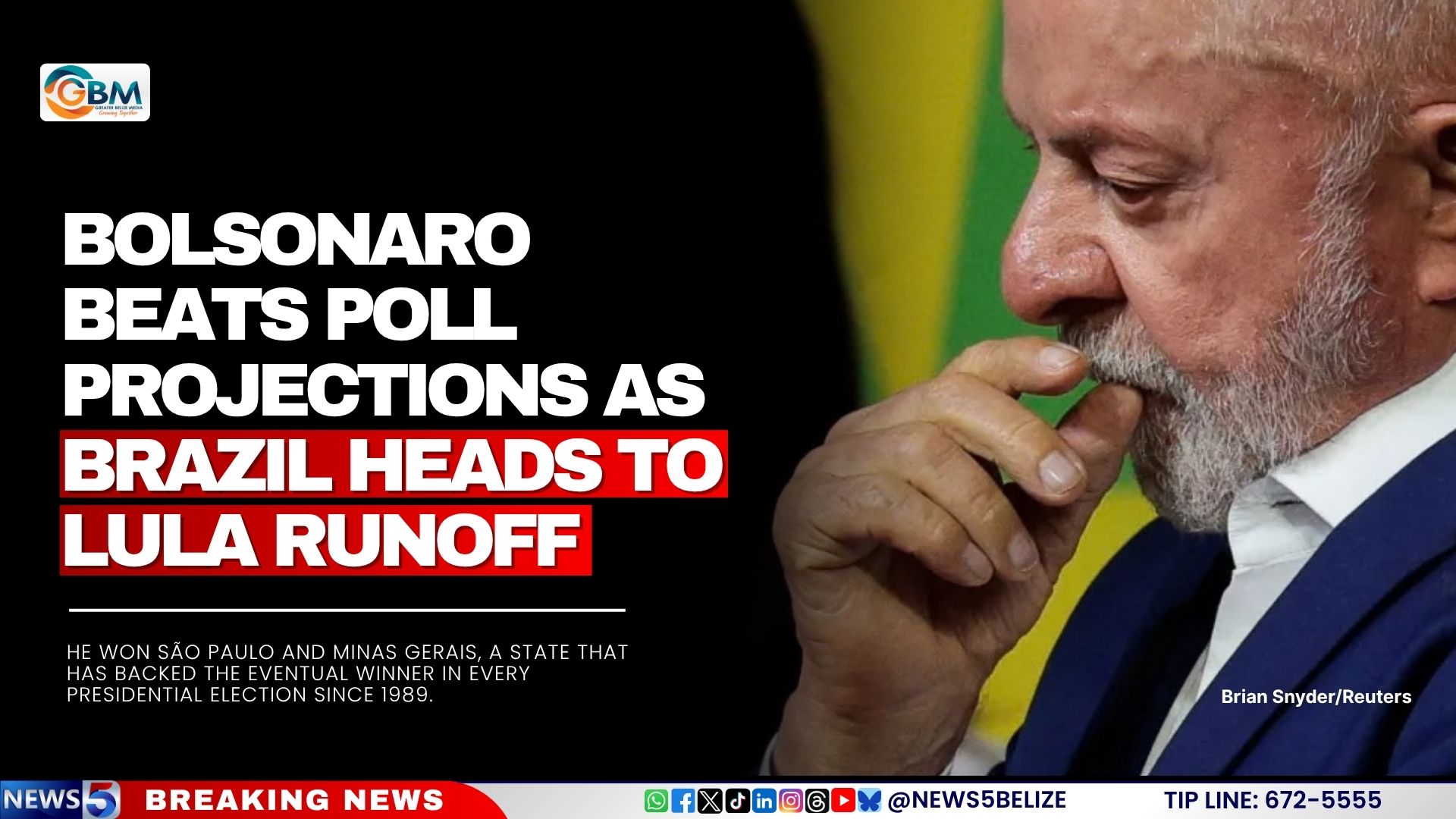
On Sunday, Brazil’s first-round presidential voting concluded with no candidate clearing the 50% vote threshold needed for an outright win, setting the stage for a high-stakes October 25 runoff between incumbent President Luiz Inácio Lula da Silva and Flávio Bolsonaro, the eldest son of former Brazilian president Jair Bolsonaro.
Together, the two leading candidates captured more than 92% of the total first-round vote, in a result that defied pre-election forecasting: Flávio Bolsonaro far outstripped poll projections, netting a nearly four-point advantage over the first-round performance his father posted in the 2022 election. Running on a platform centered on public safety and economic policy, Bolsonaro secured victory in two of Brazil’s most electorally significant states: São Paulo and Minas Gerais.
Notably, Minas Gerais holds a decades-long track record of backing the eventual winner of every presidential election held since Brazil’s return to democracy in 1989. For Lula, the first-round results carried clear warning signs: his vote share in Minas Gerais dropped to 43.21%, down from 48.3% he won in the state in 2022. The incumbent also failed to build the commanding lead in Brazil’s Northeast, his traditional political stronghold, that his campaign had targeted ahead of the first round.
The outcome of the upcoming runoff will likely be shaped by two key blocs of voters: the supporters of the eight minor candidates eliminated in the first round, who collectively captured 7.82% of the vote, the vast majority of whom lean center-right or right, and the roughly 21% of eligible Brazilian voters who abstained from Sunday’s voting. Bolsonaro enters the second round with significant momentum, as his right-wing party and its ideological allies captured a large number of Senate seats and won several key state governorship races across the country.
International backing for Bolsonaro has already come from two high-profile conservative leaders: former U.S. President Donald Trump and Argentine President Javier Milei. But observers have noted that Trump has kept a noticeably low profile in his support for the candidate recently. Peruvian political analyst Farid Kahhat told CNN this deliberate restraint is likely a strategic move.
“They’ve noticed that in Brazil, [external interference] might not work the same way as it does in Honduras or Colombia,” Kahhat explained.
CNN’s political analysis notes that a Flávio Bolsonaro victory in the runoff would deliver a key ideological ally to Trump in Latin America’s largest nation, should Trump win a second U.S. presidential term. Such an outcome would also potentially strengthen the United States’ position as it works to counter China’s growing diplomatic and economic influence across the Western Hemisphere.