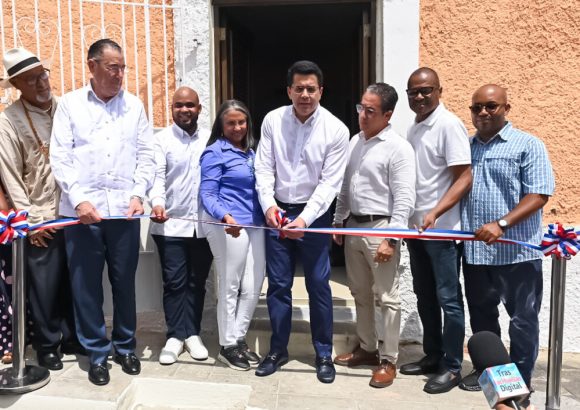
Santo Domingo’s historic Colonial City has marked a major milestone in community-focused heritage and infrastructure improvement, as Dominican Republic Tourism Minister David Collado has officially launched and delivered the first wave of completed works across three interconnected urban revitalization programs, backed by multilateral international funding.
The flagship initiative, the Colonial City Housing Improvement Program (known locally by its Spanish acronym Promevi), was originally designed to deliver 38 fully renovated residential units. Following pre-construction technical assessments that identified six additional properties with critical structural damage, project officials expanded the first batch to 44 completed homes, with a total investment of more than 71 million Dominican pesos. When fully rolled out, the program will deliver comprehensive renovations to 140 low-income homes across five Colonial City communities: San Antón, Santa Bárbara, San Miguel, San Lázaro, and the city’s southern zone.
Unlike generic construction projects, Promevi prioritizes vulnerable and marginalized residents: the program specifically targets women heading single-parent households, elderly residents, and people living with disabilities. Renovation works span full overhauls of core home systems: contractors rebuild outdated bathrooms and kitchens, repair failing roofs, resolve chronic water leaks, update aging electrical and plumbing infrastructure, replace deteriorated doors and windows, apply waterproofing treatments, complete interior and exterior painting, and add structural reinforcement where required. To align with global climate resilience goals, all renovations comply with EDGE environmental certification standards, integrating mandatory requirements for energy efficiency, water conservation, and improved resistance to climate-related hazards. The program’s funding comes from a combination of a non-refundable grant from the European Union and targeted financing from the Inter-American Development Bank (IDB).
Alongside the handover of renovated homes, Minister Collado inaugurated the first 60 restored building facades under the city’s broader Facade Recovery Program, a initiative backed by 62 million pesos in investment. This program has an end goal of restoring 120 historic residential and commercial facades to return the Colonial City’s unique architectural heritage to its original grandeur. Work on each facade includes careful restoration of original plasterwork and decorative architectural details, repair of structural cracks and holes, matching repainting, refurbishment of original wood carpentry and iron architectural elements, and repairs to roof sections connected to the restored facades.
The third completed initiative, the Paint Your City Project (Pinta tu Ciudad in Spanish), has been delivered in full, with all 150 planned facades refurbished at a total cost of more than 16 million pesos. This project focused on surface-level beautification of the historic center’s urban landscape, boosting the property value of heritage buildings by addressing visible deterioration. Works for this project included deep cleaning of exterior surfaces, removal of flaking and deteriorated paint, and sealing of cracks, holes, and other surface imperfections on walls, benefiting both residential and commercial property owners.
All three programs fall under the scope of the Comprehensive Tourism and Urban Development Program of the Colonial City of Santo Domingo (PIDTUCCSD), which is led by the Ministry of Tourism in close coordination with the Ministry of Culture and the Mayor’s Office of the National District. In remarks following the delivery of the completed projects, Minister Collado emphasized that these investments deliver more than just architectural improvements—they directly improve daily life for long-term residents of the historic district. “Programs like these, which we have begun to implement, have a direct and positive impact on people and their quality of life,” Collado said. A core stated goal of the full initiative is to preserve the Colonial City’s traditional resident community, preventing displacement of low-income long-term inhabitants as heritage tourism development expands in the historic center.