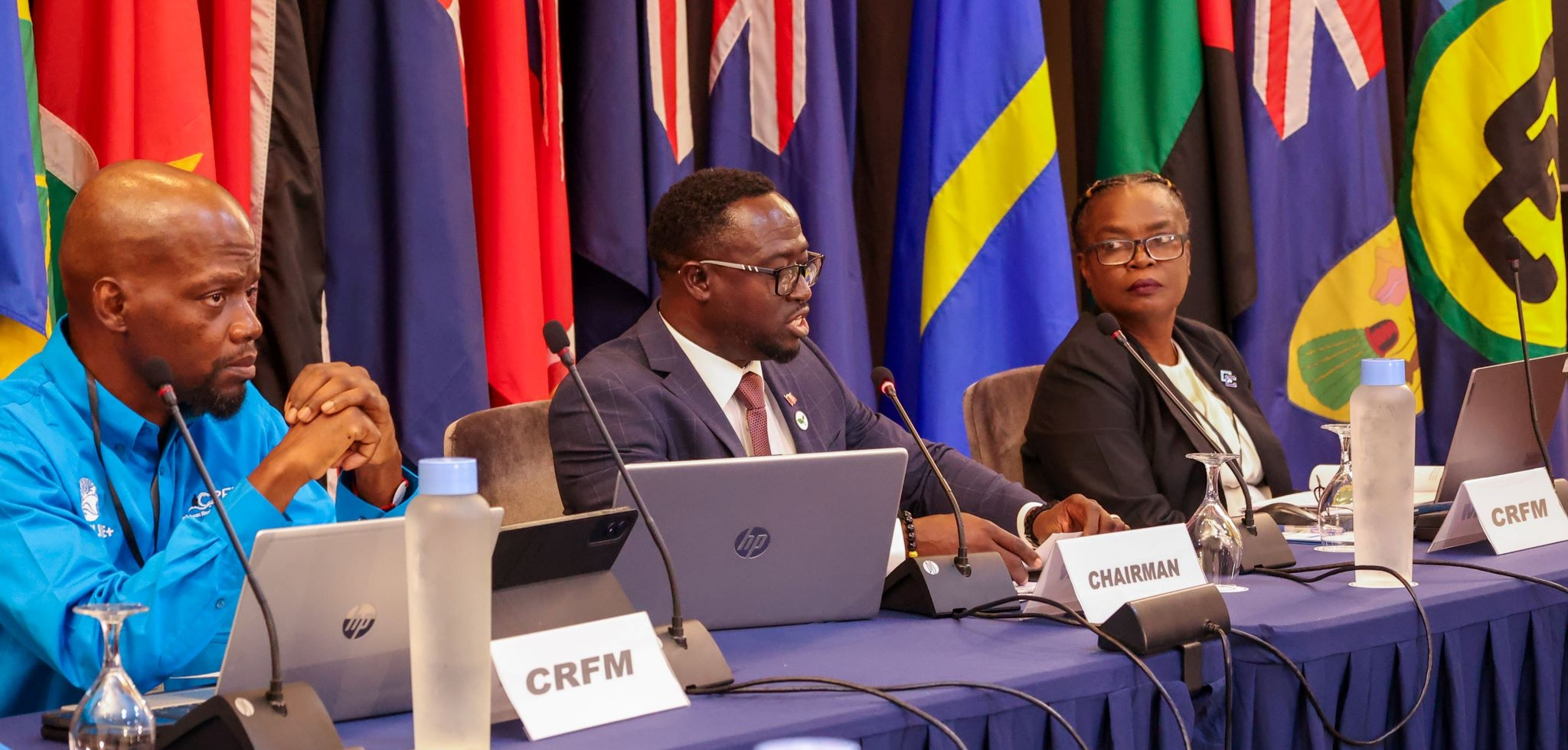
In a landmark gathering held on September 28, 2026, at Jamaica’s Ocean Coral Spring Resort during the 20th Caribbean Week of Agriculture, the Ministerial Council of the Caribbean Regional Fisheries Mechanism (CRFM) advanced regional ocean governance with a historic package of policy approvals. Chaired by Antigua and Barbuda, the high-level meeting brought together fisheries, aquaculture and blue economy ministers from across the bloc, who backed 12 binding resolutions that set a new sustainable policy trajectory for the region’s critical fishing and aquaculture industry.
Opening the 17th Special Ministerial Council meeting, CRFM Chair Hon. Randy Baltimore, Minister of State in Antigua and Barbuda’s Ministry of Agriculture, Lands, Fisheries and the Blue Economy, emphasized the tight alignment between the gathering’s work and the 2026 Caribbean Week of Agriculture theme: “The New F.A.C.E. of Caribbean Food Systems,” which centers on four core priorities: food security, agri-business expansion, climate-smart innovation, and export growth. “Fisheries and the blue economy are non-negotiable pillars of every one of these goals,” Baltimore told delegates. “Our sector does more than feed our populations and deliver critical nutrition: it sustains millions of livelihoods, drives regional trade, and anchors economic stability for coastal communities across the Caribbean. Still, we confront persistent, growing threats: climate change degradation, overpressure on shared marine resources, rampant IUU fishing, and volatile global market shifts that put small-scale fishers at particular risk.”
Before deliberations, the CRFM Secretariat presented updated, comprehensive sector data to assembled policymakers, offering a clear snapshot of the industry’s current scale and trajectory. CRFM Statistics and Information Analyst June Masters shared that across the bloc’s 17 member states, more than 500,000 people now rely on the fisheries and aquaculture sector for employment, including roughly 133,000 active fishers and 5,000 aquaculture workers. Between 2020 and 2025, Masters reported, every member state recorded consistent, steady employment growth across the sector.
The new data also revealed a striking shift in the industry’s economic value: the total ex-vessel value of catch from the region’s domestic fleet, which encompasses more than 30,000 vessels and reflects the direct payment fishers receive for their catch, nearly doubled over the five-year period, jumping from US$431 million in 2020 to US$856 million in 2025 – a 99% increase. By contrast, total catch volume grew far more modestly, rising just 14% from 141,000 tons to 160,000 tons over the same window, a trend officials attribute largely to rising global seafood market prices rather than increased extraction.
Against this backdrop of growing employment and economic value paired with persistent systemic challenges, ministers debated long-term strategic direction for the sector, as well as the capacity needs of both the CRFM Secretariat and individual member states to advance sustainable growth. The Council reviewed findings from a recently completed capacity and training needs assessment, carried out by CRFM in partnership with the GRÓ Fisheries Training Programme under UNESCO auspices. Delegates committed to fast-tracking targeted interventions to close identified capacity gaps across the region.
The meeting’s defining milestone came with the unanimous approval of three new binding protocols to the Caribbean Community Common Fisheries Policy (CCCFP): the Protocol on Marine Spatial Planning, the Protocol on Aquatic Foods Traceability, and the Protocol on Combating Illegal, Unreported and Unregulated (IUU) Fishing.
CRFM Executive Director Dr. Marc Williams framed the approvals as a transformative step forward for regional marine stewardship. “Adopting these three new protocols marks a turning point for strengthening governance, boosting long-term sustainability, and building economic resilience for Caribbean fisheries and marine resources,” Williams said. “Together, these frameworks give our member states cohesive, robust regional tools to manage conflicting demands on ocean space, build transparency and consumer confidence in Caribbean seafood, and shield our shared fish stocks from illegal exploitation.”
Williams added that the new regulations deliver tangible benefits to frontline communities: they protect the livelihoods of law-abiding small-scale and commercial fishers, improve access to premium regional and global export markets, strengthen regional food and nutrition security, and ensure the economic benefits of marine resources are shared fairly and sustainably across current and future generations.
In closing the special meeting, Chair Baltimore emphasized the power of regional collaboration to address shared challenges. “Our nations confront a host of common threats, but every member brings unique, valuable experience and innovative solutions to this partnership,” he said. “I urge all of us to continue learning from one another, share successful strategies, and follow through fully on the commitments we have made here. That is the only way we will build a stronger fisheries sector and an inclusive blue economy that delivers lasting, equitable benefits to our fisherfolk and coastal communities.”
Looking ahead, CRFM Ministerial Council representatives will participate in the 127th Special Meeting of the Council for Trade and Economic Development (COTED) – Agriculture, scheduled for this Friday, which will mark the official conclusion of the 20th Caribbean Week of Agriculture in Jamaica.