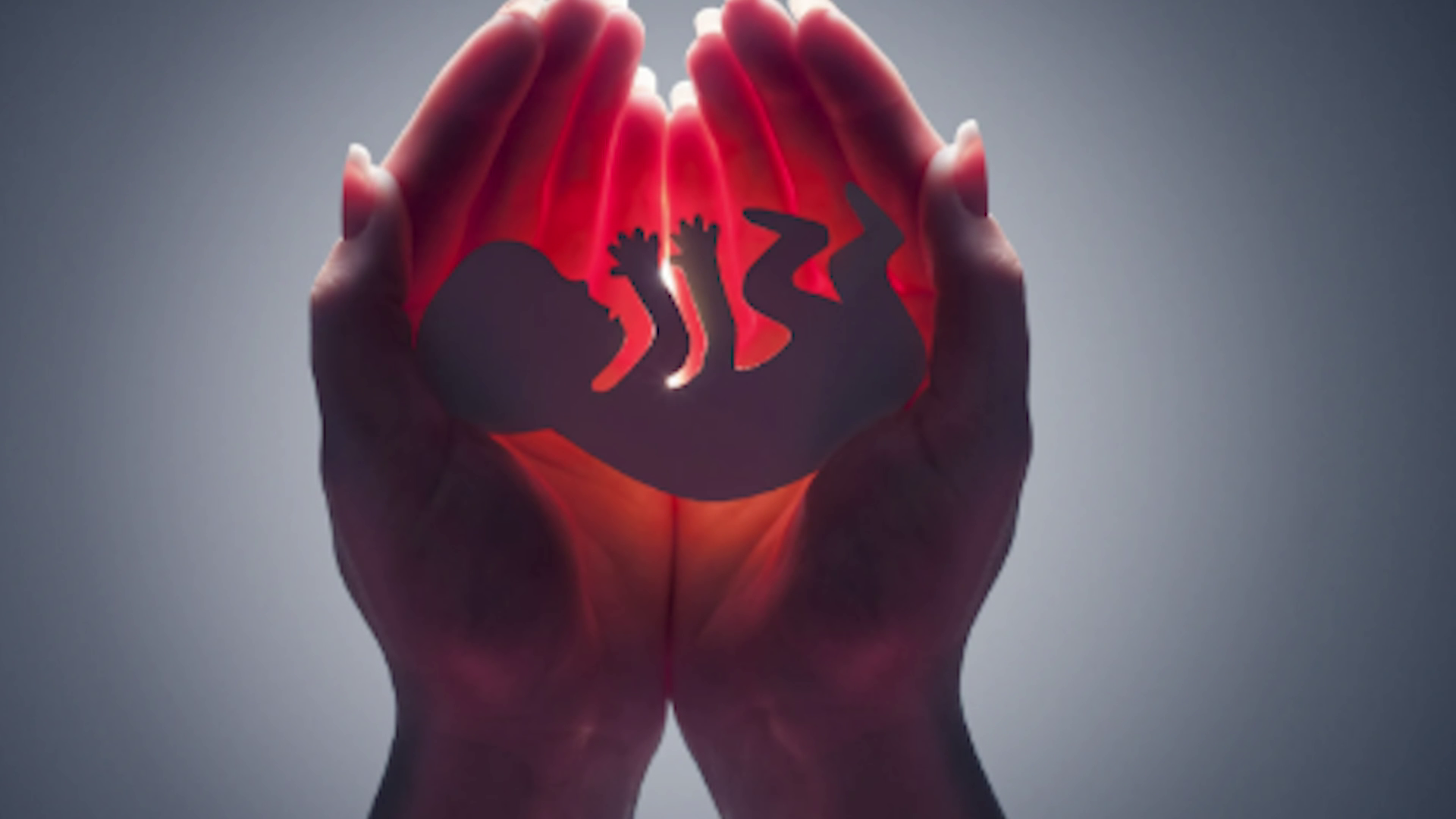
As the national debate over abortion rights gains new traction in Belize, the conversation is shifting beyond abstract legal and policy arguments to center on the intimate, life-altering personal experiences of women from all walks of life. With sharply divided perspectives rooted in individual hardship and survival, local women are stepping forward to share their stories, humanizing one of the country’s most contentious social issues and pushing for public dialogue that honors lived reality.
One of the most compelling voices in the current conversation is Shawla Leslie, a pro-life advocate and mother of three whose connection to the abortion debate begins before she was even born. Leslie explains that her birth mother attempted to abort her at a late stage of pregnancy, but she survived and was ultimately raised by an adoptive family. That brush with death has shaped every part of her stance on abortion. “I certainly am pro-life simply because I wanted to be alive, and I would have wanted that I am able to make that choice and not anybody else that would not be living in my life,” Leslie shared in an interview.
Her experiences have led her to critique the current framing of the national debate, arguing that too little attention is paid to the inherent value of unborn life and the personal responsibility potential parents should take to prevent unplanned pregnancies. “What I don’t see is the value of life. I don’t see the value for the life of the child. I don’t see the responsibility that a couple, both male and female, would take in order to not become pregnant. I am not seeing that. I am only seeing the conversation as it relates to after she has become pregnant,” Leslie said.
Remarkably, Leslie has also faced the kind of high-stakes pregnancy decision that pro-choice advocates often cite, yet her experience only reinforced her pro-life convictions. During her first pregnancy, Leslie developed hydronephrosis, a condition where her kidney was swollen and growing alongside the fetus. Her doctor gave her an impossible choice: keep the kidney or continue the pregnancy, as the doctor said both could not survive. Leslie chose to continue the pregnancy, trusting her body and her faith. Today, both she and her daughter are alive and healthy. Her story has become a centerpiece of her advocacy, urging the nation to strengthen family support systems that help women carry unplanned pregnancies to term while encouraging more intentional decision-making around sexual activity and parenthood.
On the other side of the debate, other Belizean women draw from their own experiences of pregnancy, loss and risk to argue that reproductive decision-making must remain in the hands of the individual woman. Cherisse Halsall, a journalist and mother, says her own journeys through pregnancy, miscarriage and childbirth convinced her that only the person facing the physical and emotional risks of pregnancy can make the right choice for their life. Halsall notes that pregnancies can turn dangerous or unviable without warning, leaving lasting trauma that outsiders cannot fully understand.
Joan Burke, executive director of the Belize Family Life Association (BFLA), adds that broader systemic change is needed to address the root factors shaping abortion outcomes in Belize. Burke points out that Belize holds the second highest adolescent pregnancy rate in the entire Caribbean region, a statistic she says is a stain on the nation in the modern era. She is calling on policymakers to revisit national policies around comprehensive sexuality education, arguing that equipping all young people — both young men and women — with accurate, evidence-based information about sexual health is the most effective way to reduce unplanned pregnancies and support informed decision-making.
“Females don’t have babies on their own,” Burke explained. “We equip both males and females with the right information to make informed decisions for their sexual health and wellness. That is one vehicle where we equip individuals” to build healthier lives. Burke argues that greater investment in reproductive healthcare and support systems for women and girls is the key to building stronger, healthier communities across the country, regardless of how the debate over abortion legal status unfolds.
As the national conversation continues to evolve, these overlapping personal testimonies have put a human face on a debate that often reduces people to ideological talking points. From pro-life advocates who survived attempted abortions to pro-choice supporters who have navigated life-threatening pregnancies, the shared thread across all these stories is the demand for a more compassionate, honest public conversation that centers the needs and experiences of Belizean women. The report was compiled by Britney Gordon for News Five.