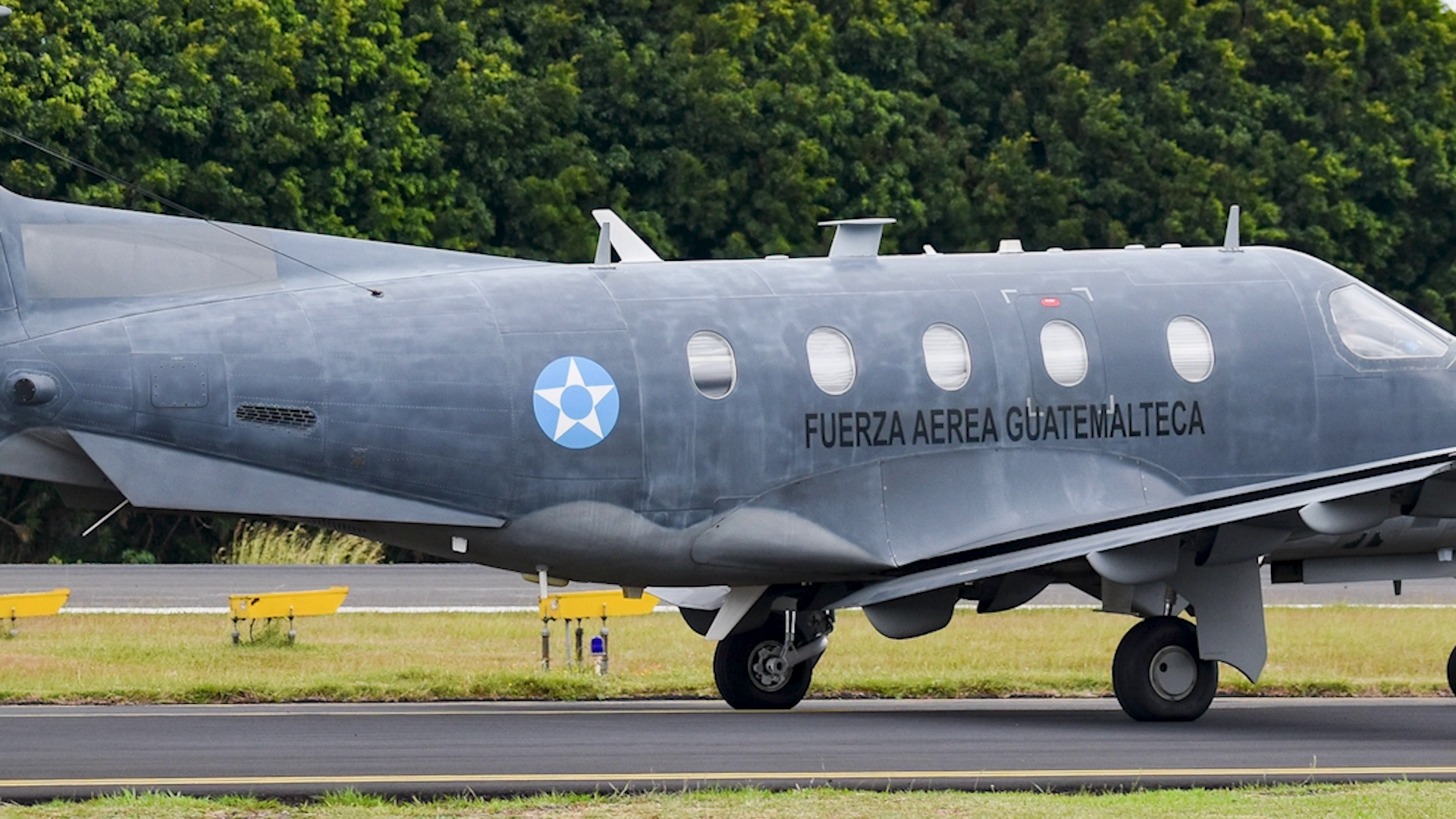
A cross-border airspace incident between Belize and Guatemala has sparked diplomatic friction, with both nations now turning to the Organization of American States (OAS) for a neutral, independent investigation into the September 24 event. Belize’s official position is clear: an unauthorised Guatemalan military aircraft entered its sovereign airspace last month, with the plane’s transponder intentionally disabled during the incursion. Speaking on behalf of Belize’s Ministry of Foreign Affairs, CEO Oscar Arnold confirmed that the country is fully prepared to substantiate its claims with solid radar data, and has questioned what evidence Guatemala can present to contradict Belize’s account of the incident.
The OAS has long held a formal mandate to oversee confidence-building measures and mediate low-level tensions in the adjacency zone between the two neighboring countries. While this specific investigation falls outside the body’s standard regional remit, Arnold explained that the OAS has agreed to take on the role of impartial observer after both countries submitted formal requests to the OAS Secretary General. Belize has raised no objections to the OAS leading the probe, Arnold noted, and is ready to hand over all collected evidence for technical review.
Arnold also pointed out that the intentional disabling of the aircraft’s transponder would inherently impact flight logs and tracking records, a detail that technical experts assigned to the investigation will need to account for when reviewing evidence. From Belize’s perspective, there is no question that a breach of sovereign airspace occurred: “Where the government is concerned, there was an issue, an unauthorized aircraft entered our airspace,” Arnold stated.
Moving forward, the OAS will conduct a full in-depth review of all evidence submitted by both parties before releasing an official finding on the incident. Both countries have committed to accepting the OAS’s mediated position on the dispute, in a step aimed at preventing further escalation of cross-border tensions.