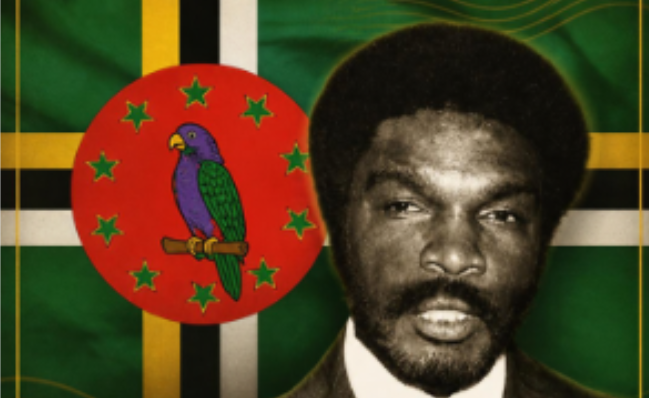
As Dominica prepares to mark the 25th anniversary of its iconic World Creole Festival, a longstanding cultural event that has cemented the island’s reputation as the Caribbean’s premier hub for Creole music and culture, conflicting claims of credit for the festival’s creation have prompted a long-overdue clarification of its origins from a key insider directly involved in the event’s founding.
The author, who served in dual leadership roles as a director of Dominica’s National Development Corporation (NDC) and chair of the NDC board that approved the festival’s launch, first shared this account in an interview with the late journalist Ferdina Frampton years ago. Now, amid renewed debate over who deserves credit for the beloved event, this firsthand recollection is being republished to set the historical record straight.
A core principle underpinning this clarification is a foundational rule of democratic governance: no single government official can unilaterally enact policy or allocate public funds without following established institutional processes and securing formal cabinet approval. This standard guided every step of the festival’s creation, from its initial proposal to its first launch in 1996.
The original seed for the festival was planted years before its approval, when the Dominica Hotel Association—where the author served as public relations officer—submitted a formal proposal to the NDC board under the previous Freedom Party government. The proposal’s core goal was simple: boost tourism arrivals to the island by celebrating Creole music and culture. That administration ultimately rejected the proposal, a fact confirmed by both insiders Sobers Esprit and prominent music promoter McCarthy Marie, who has reaffirmed this timeline repeatedly on social media.
The tide shifted after the United Workers Party (UWP) won the 1995 general election and appointed a new NDC board, which the author was invited to chair—an honor extended despite the author not being a member of the new ruling party. The board was composed of some of Dominica’s most respected cross-sector leaders: entrepreneur Michael Pascal, local Coca-Cola franchise owner Louis Gabriel, trade union representative and former reporter Elsworth Carter, business leader Sheridan Gregoire, engineer Isaac Baptiste, hotelier Janice Armour, and acting general manager Stanley Georges.
The new board wasted no time approving the festival concept, initially branded as the Cadence Festival before the committee renamed it the Creole Festival (a suggestion from Marie, chosen for its broader cultural inclusivity) and later added the word “World” at the suggestion of sponsor Michael Fagan—contrary to later claims that a single minister deserved credit for the iconic name.
A dedicated sub-committee led by acting NDC general manager Stanley Georges, who oversaw the project before Gregoire was appointed to the permanent general manager role, was tasked with developing the festival’s framework. The founding committee included NDC official Sobers Esprit as secretary, Freddy Nicholas, and McCarthy Marie, and had already completed core planning before Gregoire took over as NDC general manager, after which he continued to lead the project as the key NDC liaison to the new festival commission.
Following constitutional process, then-Tourism Minister Norris Prevost, widely regarded as one of the most effective ministers to hold that portfolio, championed the project, and Finance Minister Julius Timothy arranged the required state funding after full approval from Prime Minister Edison James’ cabinet. As the author emphasizes, all credit for the formal authorization of the festival rightly rests with the UWP government cabinet, as is standard for all public initiatives in a functional democracy.
After the NDC board approved the initial plan, members agreed that an independent festival commission would be best suited to manage the event long-term. Following extensive consultations led by Gregoire, the commission was established, and Eddy Toulon was selected as its first executive director in 1996. Toulon played a pivotal role in growing the festival’s profile before his untimely death, and a host of other early contributors also shaped its success: Gordon Henderson served as international coordinator, building connections with audiences and media across New York, France, and the French Antilles; Denis Joseph helped refine the commission’s strategic vision; Michael Fagan resolved critical operational and promotional challenges; Sobers Esprit continued his foundational work as the founding secretary; early cultural leaders including Kelly “Ghost” and current Cultural Ambassador Wadix joined the first commission team, building regional audience for the event; and Gregory Rabess and Dr. Steinberg Henry contributed key expertise in the early years.
Today, 25 years after its first edition, the World Creole Festival has far exceeded its founders’ expectations. It has become a core pillar of Dominica’s national identity, fostering pride and unity among locals, strengthening cultural ties with the Dominican diaspora, and advancing the critical work of preserving Creole heritage for future generations. It has also delivered on its original founding promise: the event consistently drives massive increases in hotel occupancy and tourism revenue for the island.
Looking ahead, the author argues that the festival would benefit from re-embracing its original vision as a global celebration of all Creole music genres, building deeper connections with Creole communities across Africa, the Indian Ocean, and South America, including French Guiana and Seychelles, to honor the shared ancestral roots of Creole culture worldwide. There is also enormous untapped potential, the author notes, to expand the festival with additional programming focused on Creole crafts, drumming, and cuisine, and to aggressively market the event to the millions of potential visitors from neighboring Martinique and Guadeloupe, located just 50 miles from Dominica’s shores.
As a direct participant in the festival’s founding from the initial proposal stage through to the launch of the first edition, the author says it remains a privilege to have contributed to the creation of an event that has put Dominica on the map as a world-class Caribbean cultural destination.