Sixteen aspiring live sound engineering professionals have wrapped up the first iteration of SoundLeap, a groundbreaking six-month hands-on training initiative based in Grenada, capping their 5.5 months of learning with a real-world test of their skills at the island’s Sound Fest on Saturday, September 26. Launched in mid-April of this year to fill a critical gap in local technical training for the entertainment industry, SoundLeap’s first cohort marked a major milestone for the program, which is already set to open its second intake in April 2027.
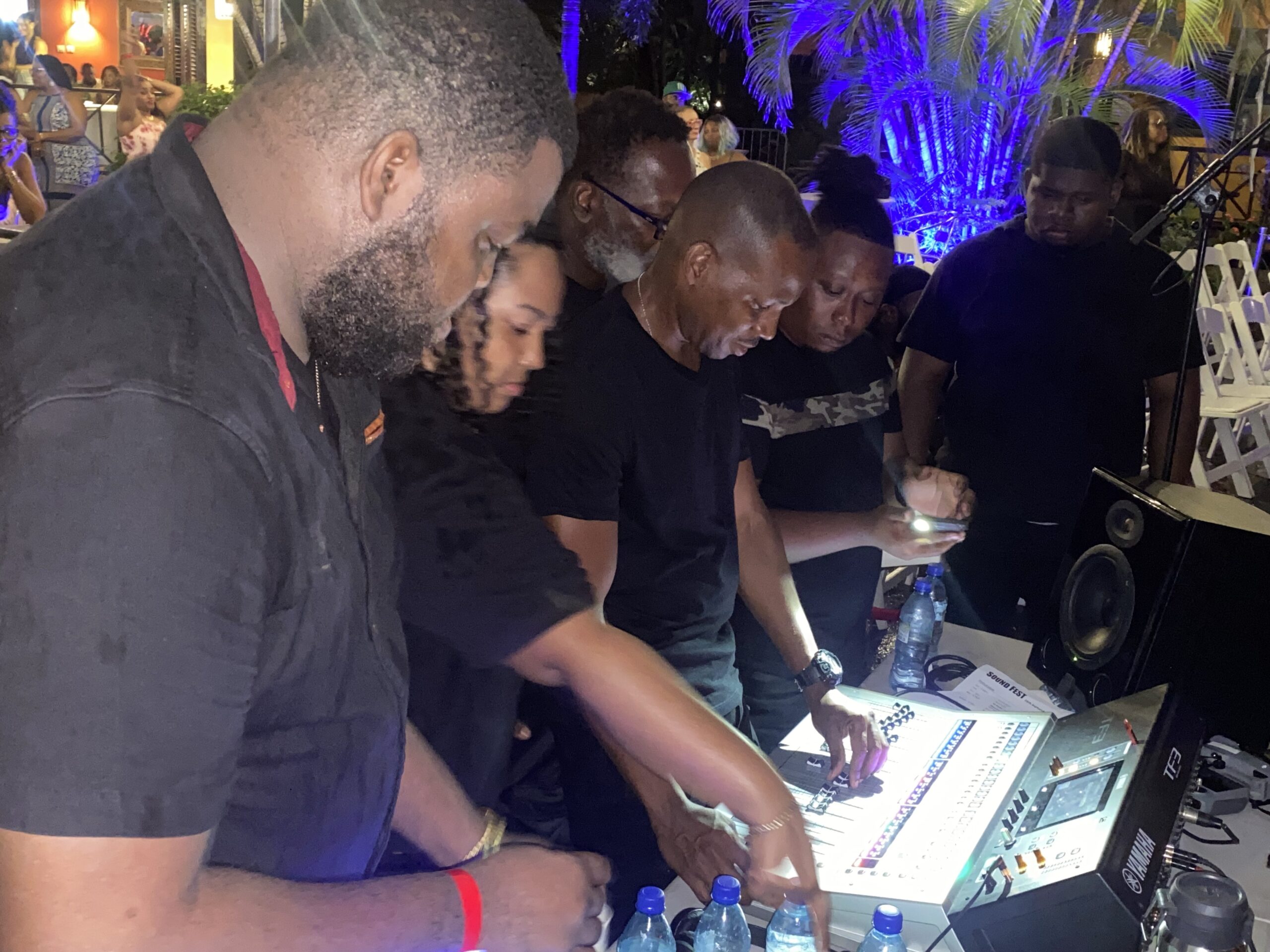
The practical capstone event took place on the lush Le Phare Bleu lawn in Petite Calivigny, where students stepped into core technical roles across every stage of Sound Fest’s operations. From leading front-of-house audio engineering to managing stage monitoring systems and overseeing on-site stage technology, the cohort handled end-to-end technical preparation: they arrived on-site a full day early for Friday soundchecks, adjusted setups through performance day Saturday, and stayed after the final act to break down gear and restore the venue. For student Jeavid Neckles, the event offered a unique double challenge: he balanced technical duties alongside a performance slot playing guitar alongside Thamara “Song Bird” St Bernard-Neckles.
What made the inaugural cohort particularly notable was its wide range of starting experience levels, reflecting SoundLeap’s mission to lift up new entrants while elevating existing professionals. Some participants already held informal roles working with local bands, church events, and small community productions, while others joined with almost no hands-on experience in audio work. Timon John, one student who entered with limited background, shared that the program transformed his understanding of core technical skills including mixer operation, equalization, dynamic compression, and noise gating. “I came in with almost no information, and I learned a lot,” John explained. “I’m not the most experienced here, but I’m still very confident — way better than how I came in.”
For seasoned participants, the program offered a chance to refine self-taught techniques and adopt more effective, industry-standard practices. Michael Hutchinson, who had already worked with local bands and small events before enrolling, noted that the training revealed gaps in methods he had developed on his own. “You just learned it in ways that worked, but there were better ways and safer ways and things that could make you do it much better,” he said. At Sound Fest, Hutchinson put his new skills to work as front-of-house engineer for the Thamara set featuring Jeavid Neckles, and served as a stage technician for performances by Sabrina Francis and the Treehouse Band.
Beyond structured classroom learning, the Sound Fest capstone gave students hands-on experience troubleshooting real-time issues that arise during live events. Unlike training exercises where learners have time to work through problems step-by-step, live production requires fast critical thinking to resolve unexpected gear or audio failures mid-performance. John noted that response strategies shift depending on the specific issue, while Hutchinson emphasized that the program taught him the importance of advance preparation — including maintaining standby gear and having clear protocols for troubleshooting emergency electronic failures.
SoundLeap’s successful launch is rooted in its leadership team, which draws on decades of collective experience across Grenada’s music and entertainment sector. Lead instructor Petroc “Rocky” Bernard, who has worked in the live sound industry for roughly 20 years, explained that the program was created to address a longstanding local need for more comprehensive formal training for sound engineers and stage technicians. The full instructional team brings a diverse range of expertise: Hervin Hood counts more than 19 years of recording studio engineering experience alongside 9 years in live production; Dieter Burkhalter has over 45 years of multi-faceted experience as a musician, promoter, organizer, educator, arranger, and sound engineer; Jerrod “Rodey” Nelson contributes expertise as a working bassist and musical director; Alesia Aird brings professional experience in live music production; Ryan Richards is a practicing sound engineer; and Sabrina Francis, an award-winning singer-songwriter and 2026 Groovy Monarch winner, adds more than a decade of Caribbean music industry experience and a critical artist perspective to the curriculum.
Unlike short, one-off workshops common in the region, SoundLeap’s 6-month curriculum covers foundational and advanced topics ranging from the history of sound transducers and audio physics to audio component design, signal flow, and modern console technology. Following the successful completion of the first cohort, Bernard noted that many graduates have already secured entry-level work in the field and will continue building their skills through the SoundLeap network. Moving forward, the initiative aims to grow into a sustained professional community that supports ongoing learning and career development for Grenada’s next generation of live sound professionals, with the second cohort set to begin training in April 2027.