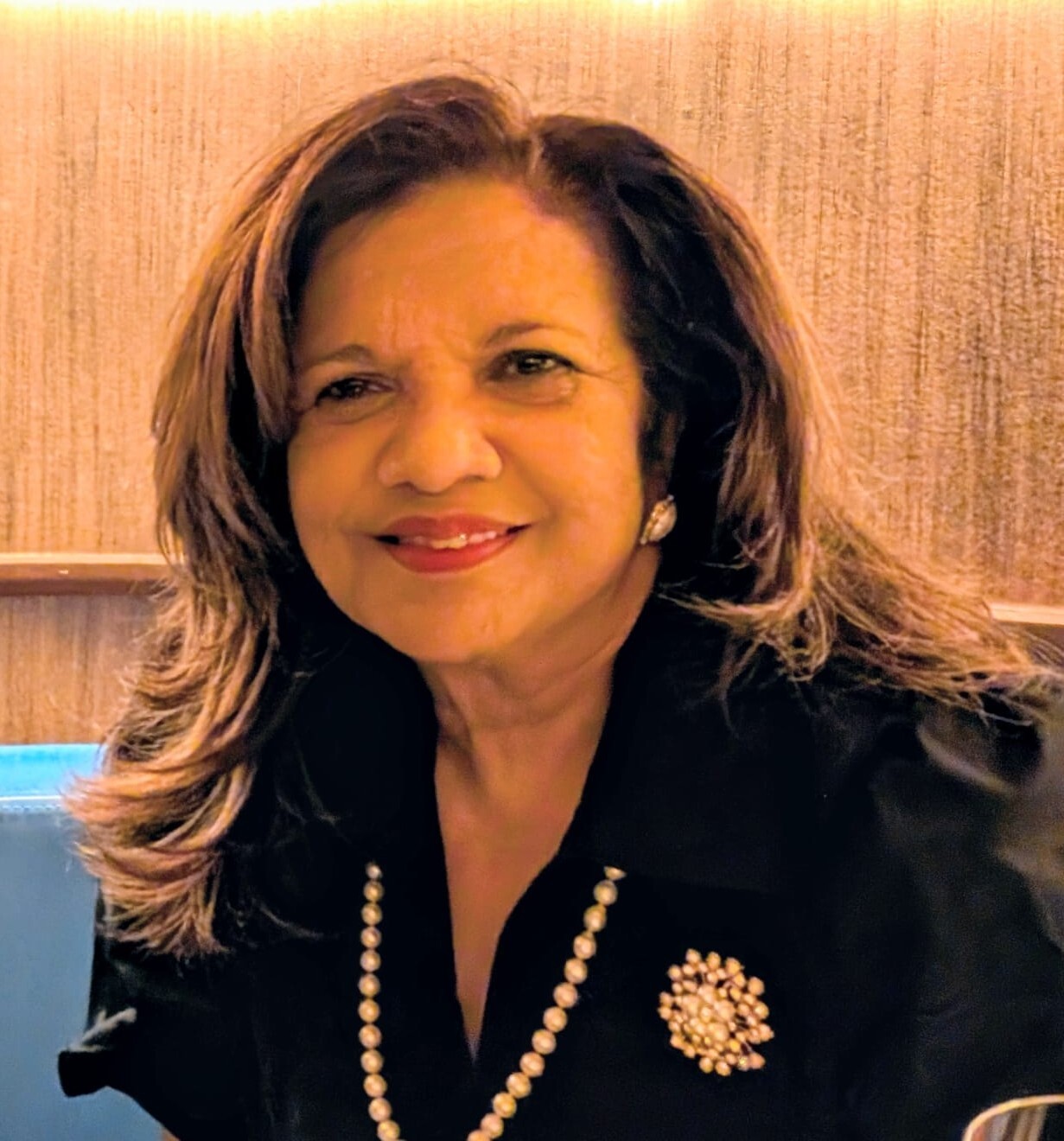
A decades-long leadership career in the insurance industry has ended in a federal conviction for 71-year-old Ingrid Innes, the former chief executive of the Insurance Corporation of Barbados Limited (ICBL). Innes has been handed a sentence of time already served and ordered to pay a $7,000 fine after entering a guilty plea in a U.S. federal court for her role in a transnational bribery conspiracy connected to ex-Barbadian government minister Donville Inniss.
In 2021, Innes received a diagnosis of pancreatic cancer, and for months she prepared to fight the charges against her. But declining health and fears over insufficient medical access in the event of incarceration forced her to abandon her original trial strategy. She ultimately pled guilty this week to two bribery counts tied to a total of approximately $36,000 in payments directed to Inniss between 2015 and 2016, when he served as Barbados’ Minister of Industry and Commerce.
At the time of the payments, the Barbados Investment and Development Corporation (BIDC) — the government agency Inniss oversaw — was a client of ICBL, where Innes was top executive. Prosecutors argue the unauthorized payments were bribes to help ICBL secure additional government-linked contracts. The illicit transfers were disguised using two fraudulent invoices created by Kamante Millar, ICBL’s former chief financial officer. Millar reached a plea deal with prosecutors after the scheme was uncovered, and later testified against Innes, other ICBL leaders, and Inniss during previous proceedings.
Court records show the invoices — one for $16,536.73 in 2015 and a second for $20,000 in 2016 — were used to route funds to Inniss’ U.S.-registered dental business, Crystal Dental Lab. Innes, a Canadian national, says she was told the payments were legitimate consulting fees when she was asked to approve them. She added that she was informed that parliamentary acceptance of payments from government contractors and elected officials owning private businesses were common and not explicitly illegal under local Barbadian regulations.
To date, no charges related to the scheme have been filed by Barbadian authorities against any of the involved individuals, despite the U.S. indictment referencing Barbados’ own Prevention of Corruption Act. It also remains unconfirmed whether the payments violated domestic Barbadian law, and whether they were intended to sway decisions of the BIDC board, a body Inniss did not have direct control over.
In a statement to local outlet Barbados TODAY, Innes took accountability for her poor judgment in approving the two transfers. “I understand my actions fell short of the high standards expected of me as CEO,” she said. “I have accepted responsibility for my mistakes, and I look forward to putting this matter behind me so I can focus on my health and family.”
The case stretches back to 2018, when U.S. law enforcement first uncovered the scheme. That August, a federal grand jury in Brooklyn returned an indictment against Innes and former ICBL senior vice-president Alex Tasker on one count of conspiracy to commit money laundering and two counts of money laundering. Inniss was charged separately in an indictment unsealed on August 6, 2018, and later added as a co-defendant alongside Innes and Tasker in an updated indictment. Inniss was found guilty on all three counts by a federal jury in 2020.
ICBL itself voluntarily disclosed the suspicious payments to U.S. authorities, and as a result received a prosecution declination under the U.S. Foreign Corrupt Practices Act Corporate Enforcement Policy. The company agreed to forfeit $93,940.19 in profits that U.S. prosecutors say were gained through the bribery scheme. The investigation was led by the FBI’s New York Field Office and International Corruption Squad, a specialized unit the bureau rolled out across the U.S. in 2015 to tackle cross-border foreign corruption cases.